7 Must-Have Disease-Resistant Trees for Your Yard
When I first started planting trees in my own yard, I quickly realized that not all trees are created equal. Some demand constant attention, sprays, and care, while others thrive almost on their own. That’s where disease-resistant trees come in. Choosing the right ones can save you hours of work, hundreds of dollars, and a lot of frustration.
Disease-resistant doesn’t mean the tree will never get sick. Instead, it means these trees naturally fend off common pests and illnesses that usually plague their species. For me, the relief of knowing I don’t have to worry about powdery mildew or anthracnose every season is priceless—and it gives my yard a healthier, more vibrant look year after year.
You might wonder if they’re worth it compared to regular trees. I can tell you from experience: yes. Not only do these trees last longer, but they also reduce the need for chemicals, protect the surrounding plants, and let you actually enjoy your garden rather than constantly tending it. If you want a yard that looks great without the daily grind, starting with disease-resistant trees is the smartest move you can make.
How We Picked These 7 Trees (Criteria for Selection)
When I started compiling this list, I didn’t just grab the first trees I found online. I wanted options that would actually make your life easier while keeping your yard healthy and beautiful. So here’s the framework I used — these are the same factors I personally check before planting any tree.
Hardiness / Climate Zone Compatibility
Not every tree grows everywhere. You might love the look of a Japanese maple, but if your area gets scorching summers or harsh winters, it could struggle. I always consider:
- USDA hardiness zone: Does it survive your local winters?
- Heat tolerance: Can it handle peak summer temperatures without extra watering?
- Wind and soil adaptability: Some trees are picky, others just shrug it off.
This step saves a lot of disappointment later. You don’t want to invest time and money only to watch your tree fail.
Natural Disease Resistance (No Fungicides Needed)
This is the heart of the list. I focus on trees that fight off common fungal, bacterial, and viral issues naturally. For you, that means:
- Less time spraying chemicals
- Fewer unexpected losses to disease
- A healthier yard ecosystem
For example, trees like the Ginkgo or Kousa Dogwood are naturally resistant to problems like anthracnose or powdery mildew. This alone makes them worth considering.
Ease of Care After Establishment
Some trees look good but demand constant trimming, pruning, or soil adjustments. I avoid these for my own yard, and I recommend you do too. The trees on this list are:
- Low-maintenance once established
- Require minimal watering beyond the first year
- Resilient to accidental neglect
This is what really lets you enjoy your yard instead of feeling like it’s another chore.
Landscape Value (Shade, Flowers, Fruit, Year‑Round Interest)
I don’t pick trees just for hardiness. I also think about what they bring to your outdoor space:
- Shade to cool your yard
- Seasonal flowers for color
- Fruit for edible landscaping
- Interesting bark or foliage that looks good year-round
I believe your yard should feel alive and dynamic — not just a patch of green.
Just like some houseplants naturally improve your home’s air and well-being, certain trees thrive best when matched to the right climate and soil, giving your yard a healthier ecosystem.
Tree 1 — Ginkgo (Ginkgo biloba)
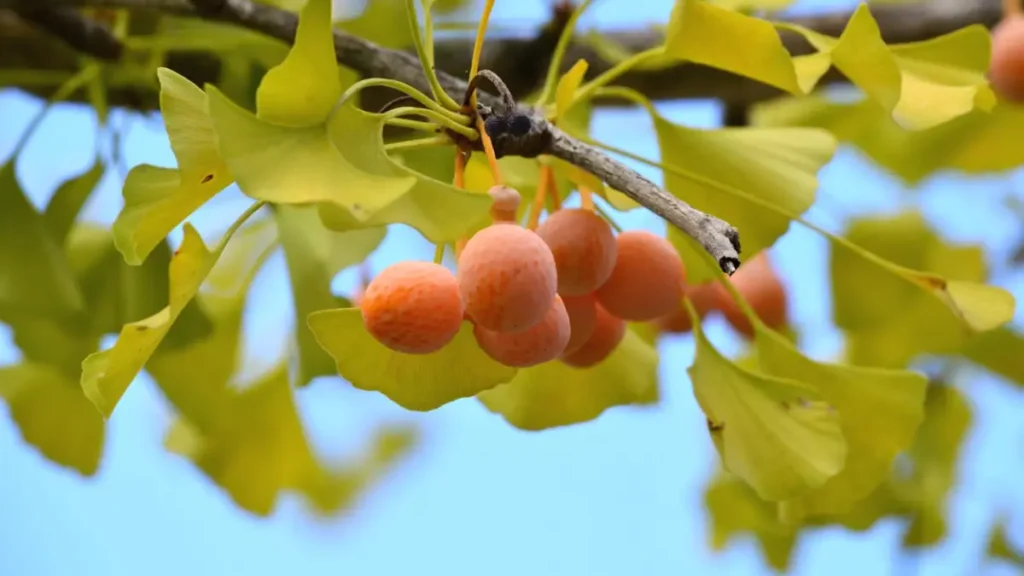
I’ve planted Ginkgo trees in several urban yards, and they never fail to impress. They’re truly low-effort and tough, which is exactly what we want for a hassle-free yard.
Disease Resistance Profile:
- Resistant to almost all common bacterial, fungal, and viral diseases
- Virtually immune to city pollution and pests
Best Conditions / Soil / Light:
- Prefers full sun
- Tolerates a wide range of soils, including urban clay and sandy types
- Very drought tolerant once established
Why It’s Perfect for Low‑Effort Yards:
- Minimal pruning required
- Leaves are resistant to most pests
- Can thrive in both residential and street settings
According to Martha Stewart, Ginkgo leaves contain natural antimicrobial compounds, which is one reason they stay so healthy year after year.
Tree 2 — Kousa Dogwood (Cornus kousa)
If you want a tree that combines beauty with resilience, Kousa Dogwood is a standout. Unlike many dogwoods, it resists anthracnose and powdery mildew naturally, which saves you a lot of headaches.
Flowering & Seasonal Interest:
- Stunning white flowers in late spring
- Bright red fruit in fall
- Attractive peeling bark adds winter interest
Planting Tips for Best Performance:
- Plant in well-drained soil
- Give it partial sun for best flowering
- Mulch around the base to retain moisture
I love this tree because it gives your yard color and texture in every season without demanding much from you.
Tree 3 — American Persimmon (Diospyros virginiana)
This is a native tree that’s tough, disease-resistant, and adds real value to your yard. I’ve seen these trees thrive in a variety of soils and climates, making them a perfect low-maintenance option.
Resilience to Pests & Diseases:
- Naturally resistant to most common pests
- No need for regular fungicide or chemical sprays
Fruit Benefits + Yard Aesthetics:
- Produces edible persimmons that are delicious in fall
- Glossy green leaves that turn yellow-orange in autumn
- Adds wildlife value — birds and squirrels love the fruit
If you enjoy edible landscaping, you might also be interested in plants that naturally deter pests, helping your fruit trees flourish without extra chemicals.
Bonus Tip: For fruit production, plant one male tree near a female. That way, you get a healthy yield without extra effort.
Tree 4 — Red Maple (Acer rubrum)
When I want a tree that’s versatile, fast-growing, and brings vibrant color, Red Maple is my go-to. Unlike some maples that constantly struggle with diseases, the Red Maple shows good relative disease tolerance, which makes it ideal for low-maintenance yards.
Strengths vs Common Maples:
- More resilient to pests and fungal infections compared to Sugar Maples in similar climates
- Grows quickly, providing shade faster
- Adapts well to a variety of soil types, from sandy to clay
Fall Color + Landscape Value:
- Brilliant red, orange, and yellow foliage in autumn
- Provides visual interest year-round with its structured branching and seasonal leaves
Best Practices to Reduce Disease Risk in Yards:
- Plant in well-drained soil to avoid root rot
- Prune only dead or crowded branches to improve airflow
- Avoid excessive watering once established
I always tell readers: a Red Maple adds instant beauty to a yard while keeping your care routine minimal — it’s a rare combination.
Tree 5 — Sugar Maple (Acer saccharum)
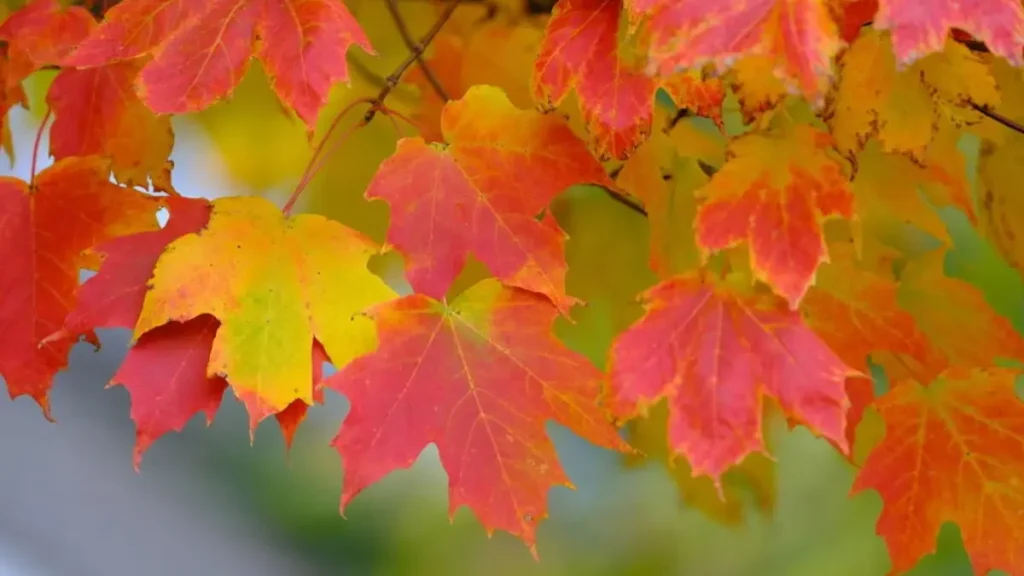
Sugar Maples aren’t just about maple syrup; they are classic shade trees with stunning fall color. While they can develop black tar spot, choosing disease-resistant varieties and proper placement makes them surprisingly low-maintenance.
Iconic Shade + Fall Interest:
- Provides broad, dense shade for patios or yards
- Leaves turn bright gold, orange, or red in fall
- Perfect for creating a welcoming, mature yard feel
Disease Resistance Notes:
- Resistant to many common pests and fungal diseases
- Susceptible to black tar spot, but minimal pruning and proper spacing prevent spread
Environmental Requirements That Keep Maintenance Low:
- Prefers well-drained, slightly acidic soil
- Best growth in full sun to partial shade
- Once established, requires little watering
I personally love Sugar Maples because they combine elegance and resilience. You get a beautiful tree that supports your yard’s ecosystem without constant intervention.
Tree 6 — Empire Apple (Disease-Resistant Fruit Trees)
If you’ve been thinking about adding fruit to your yard but dread the extra work, disease-resistant apple trees like Empire, Liberty, or Macfree are a game-changer. They fill a gap most lists miss: edible trees that actually thrive with minimal effort.
Resistant Apple Varieties:
- Empire: Resistant to scab and powdery mildew
- Liberty: Great for home orchards, needs minimal spraying
- Macfree: Low-maintenance, early-bearing variety
Reader Value: Edible + Low-Maintenance:
- Enjoy fresh apples straight from your yard
- Attracts birds and pollinators, enhancing your garden ecosystem
- Minimal care required after the first 2 years of establishment
Pro Planting Tip:
- Plant at least one compatible pollinator tree nearby to ensure fruit production
- Space trees properly to reduce disease spread and encourage airflow
Adding an Empire Apple or similar disease-resistant fruit tree lets you enjoy both beauty and harvest, all without turning your yard into a high-maintenance orchard.
Pairing trees for pollination reminds me of designing your yard with defensive plants in mind — a smart layout can naturally support both fruit production and plant health.
Tree 7 — Ulmus parvifolia (Chinese Elm)
If you want a tree that combines toughness with elegance, the Chinese Elm is a winner. One of its biggest advantages is natural resistance to Dutch elm disease, a problem that wiped out many older elms. For me, it’s a tree that looks great and doesn’t demand constant worry.
Dutch Elm Disease Resistance Explained:
- Unlike American elms, Ulmus parvifolia rarely succumbs to Dutch elm disease
- Its natural resilience makes it ideal for urban and suburban yards
Landscape Uses & Growth Habit:
- Forms a broad, airy canopy that provides filtered shade
- Attractive bark that peels in winter, giving your yard texture year-round
- Works well as a street tree or focal point in larger gardens
Maintenance Tips (Pruning, Watering):
- Light pruning to remove dead branches keeps airflow healthy
- Water regularly in the first 2 years, then only during drought
- Mulch around the base to retain soil moisture and reduce weeds
Chinese Elm is perfect if you want a strong, low-maintenance shade tree that stands up to common diseases and adds visual interest in every season.
Bonus Low Maintenance Trees Worth Considering
I like giving a few extra options because sometimes you want something smaller, flowering, or just different. These trees aren’t part of the main seven, but they are worth considering:
- Japanese Maple — Compact, elegant, and naturally low disease issues. Perfect for patios or smaller yards.
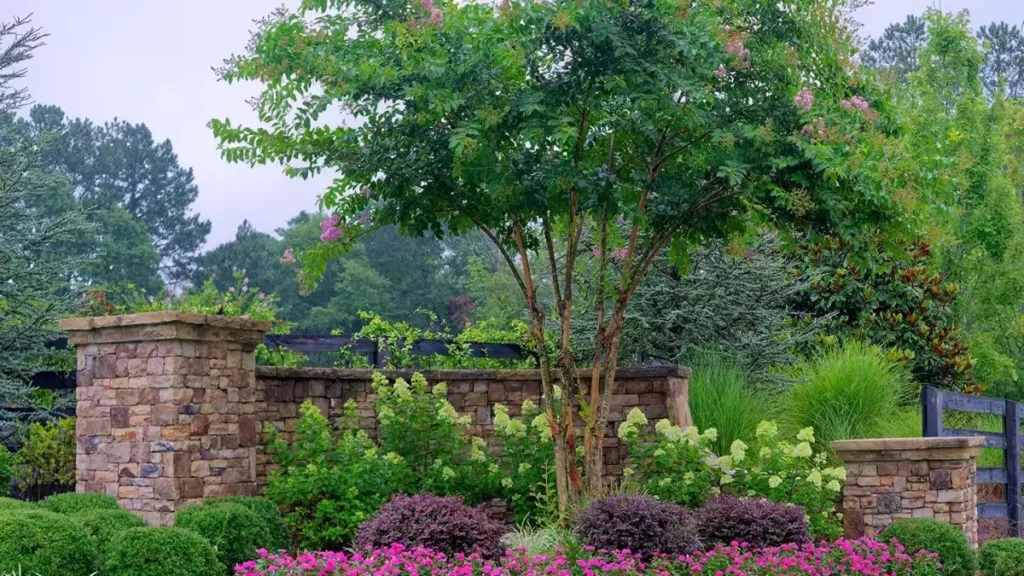
- Crape Myrtle — Offers stunning blooms, tolerates drought, and requires minimal maintenance.
- Honey Locust — Airy canopy, resistant to many common diseases, and provides light shade without blocking sunlight
These bonus picks help you fill gaps in your yard, whether you want color, structure, or shade without extra effort.
Common Mistakes When Choosing Trees for Your Yard
The Home Depot
I see a lot of gardeners make avoidable mistakes when selecting trees. Here’s what I’ve learned to watch out for:
- Planting Disease-Prone Trees Nearby — Even if your tree is resistant, neighboring susceptible trees can increase disease risk.
- Ignoring Soil & Climate Compatibility — Not all “low-maintenance” trees thrive everywhere. Check your soil type, sun exposure, and hardiness zone first.
- Overlooking Tree Maturity Size — Some trees grow much larger than expected. If you don’t plan for mature height and canopy, your yard can become overcrowded.
Avoiding these mistakes ensures your low-maintenance trees stay healthy, grow beautifully, and truly deliver on the promise of a stress-free yard.
Quick Tree Care Tips to Keep Disease at Bay (Minimal Effort)
Even disease-resistant trees need a little attention to thrive. I’ve found that just a few simple habits go a long way—and you won’t need to spend hours in the yard. Here’s what I do, and what I recommend you try too:
Proper Watering Techniques
- Water deeply but infrequently. I usually soak the base once a week during dry spells rather than giving a little water every day.
- Focus on the root zone, not the leaves, to prevent fungal growth.
- Newly planted trees need more attention—about 2–3 times a week for the first month—but once established, they’re largely self-sufficient.
Mulching for Healthier Roots
- Spread 2–3 inches of organic mulch around the base, keeping it a few inches from the trunk.
- Mulch retains moisture, suppresses weeds, and improves soil structure over time.
- I’ve seen trees thrive with almost zero extra watering just because their roots stayed cool and protected under a proper mulch layer.
When to Prune (and When to Leave Alone)
- Prune only dead, diseased, or crossing branches—less is more.
- I avoid heavy pruning during wet seasons to prevent infections.
- Observe your tree each season; sometimes the best move is to leave it alone. Over-pruning can stress even the hardiest varieties.
These simple steps let you enjoy the beauty of your yard without turning it into a full-time job. If you stick to these basics, your disease-resistant trees will reward you with years of vibrant foliage, flowers, and fruit—all with minimal effort on your part.
For ongoing tips, care reminders, and seasonal planting advice, some gardeners like to get bite-sized updates through a WhatsApp channel dedicated to simple home gardening and low-maintenance yard ideas.
Final Thoughts — Grow a Low‑Maintenance, Thriving Yard
Looking back at all seven trees and the extra bonus options, one thing is clear: you don’t need to spend hours every week tending your yard to have a beautiful, healthy landscape. By choosing disease-resistant trees and giving them a little care early on, you set yourself up for years of effortless enjoyment.
Here’s what I’d keep in mind as you plan your planting:
- Climate and Soil First: Make sure your tree choices match your local hardiness zone and soil type. This alone prevents most problems.
- Consider Yard Size: Some trees grow fast and large; others stay compact. Think about how much space you have before planting.
- Focus on Resilience: Trees like Ginkgo, Kousa Dogwood, and Chinese Elm give you beauty without constant worry.
I’d love to hear from you: Which of these trees are you thinking of planting in your yard? Or if you already have some favorites, share a photo and tell me how they’re doing. Your experience can help other gardeners make smarter, low-maintenance choices too!
Plant smart, enjoy more, and let your yard work for you—not the other way around.
If you want more quick tips, daily garden inspiration, and updates on low-maintenance landscaping ideas, you can follow us on X or join our Facebook community to connect with fellow garden enthusiasts.
Disclaimer: The information provided in this article is for general gardening and educational purposes only. Tree growth, disease resistance, and care may vary depending on your local climate, soil, and environmental conditions. Always consult a local arborist or horticulture expert before planting.