Burglars Ransack YouTuber Spill Sesh’s L.A. Home, Police Probing Hate Crime
When I first heard that the home of influencer Kristie Cook, better known as Spill Sesh, was broken into in the heart of the San Fernando Valley, I felt that familiar jolt you get when online drama suddenly spills into real life. You follow someone for their commentary, their personality, their voice — and then you see their actual safety shaken. It hits different.
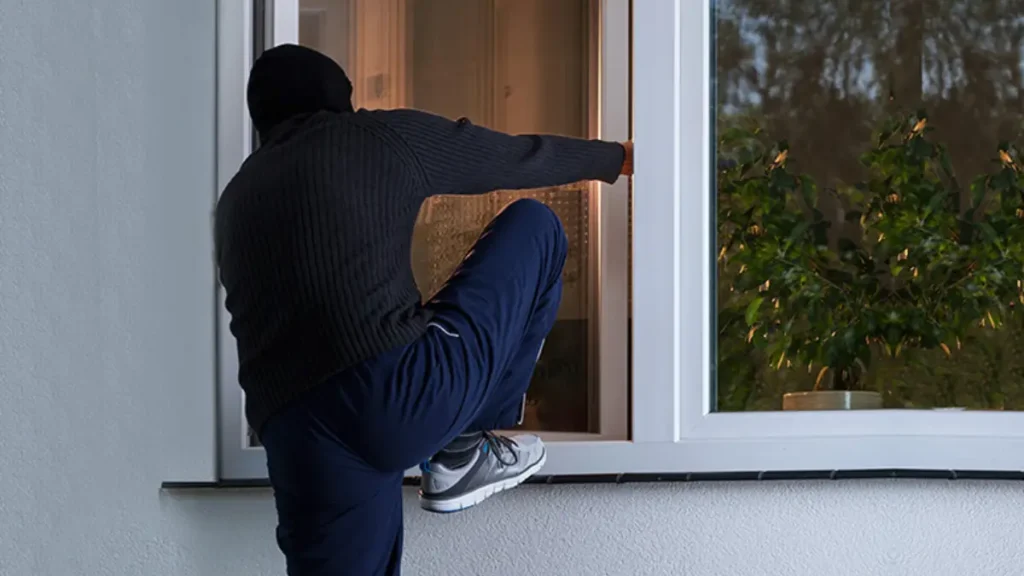
The break-in happened on Valentine’s Day, and according to the LAPD, thieves didn’t just enter the house — they tore through it. They forced open the back wooden door, ransacked the place, and left behind a scene that didn’t look random at all.
What really stopped me was what they did with the Buddha statue. They took it, then smashed it in the driveway. Investigators don’t know yet if it was intentional or just part of a sloppy escape, but they are treating the damage seriously enough to open a possible hate-crime investigation. And honestly? I don’t blame them. When a religious symbol gets destroyed, you can’t just shrug it off.
Kristie wasn’t home during the break-in — which is a relief — but the violation still feels heavy. When someone’s entire job revolves around being online, people forget there’s a real house, a real life, and real vulnerability behind that upload button.
I’m curious how you see it: Do you think this was a random burglary, or does the smashed statue tell a bigger story?
Who Is Kristie Cook?
If you’ve followed commentary channels for a while, you already know the name Kristie Cook. But if you’re someone who mostly sees her as “Spill Sesh,” it’s easy to forget there’s an actual person behind that voice.
Her channel pulls in hundreds of thousands of views on a normal day. Not because she’s flashy or trying to shock you, but because she built this space where gossip meets analysis — where you feel like you’re sitting with someone who genuinely loves pop culture.
And the thing about creators like her is this: You get so used to their presence online that you forget they live real lives offline. Real neighborhoods. Real risks. Real moments where everything can change because someone kicked in a back door.
That’s why this story isn’t just “influencer targeted in burglary.” It’s: Someone with a very public job got hit in the most private part of her life.
What Happened on Valentine’s Day
Let me walk you through the part that stood out to me the most — the timeline. And everything I’m about to say comes straight from the early reporting by NBC Los Angeles and the police statement they reviewed.
It happened during the afternoon hours on Valentine’s Day.
Thieves went straight for the back of the house. They didn’t try to finesse anything or slip through an open window. They broke through the wooden door, walked inside, and tore the place apart. When police describe a home as “ransacked,” it usually means drawers opened, belongings tossed, closets emptied — the kind of disruption that makes you feel like a stranger has been inside your thoughts, not just your living room.
Kristie wasn’t home at the time. That’s the part I keep circling back to — because you and I both know these incidents could go from “burglary” to “something far worse” in seconds.
After the break-in, officers were called, and that’s when they found the piece that complicates everything: the smashed Buddha statue.
Even detectives aren’t sure yet if it was intentional or just dropped in a rush. But the moment a religious object gets destroyed, investigators are required to open a hate-crime review. And that’s exactly what happened.
Why the Buddha Statue Changed the Entire Case
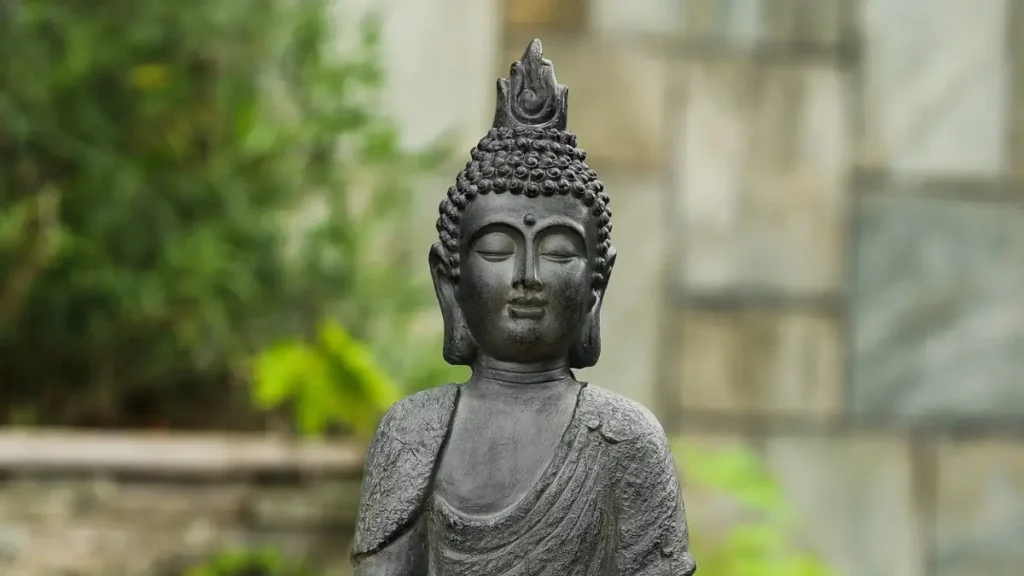
The burglary alone is serious. But when you add a broken religious symbol, the entire tone of the investigation shifts.
Think about it. A burglary is about property. A hate crime is about meaning.
And when a Buddha statue — a symbol tied to someone’s belief system or cultural identity — is not only taken but found smashed in the driveway, you can’t pretend it’s just “one more thing stolen.” You have to consider motive. Intent. Message.
Now, I’m not jumping to conclusions, and neither are detectives. They’re trying to figure out whether this was a targeted act or a coincidence. But let’s be honest: if this happened to you, you wouldn’t shrug it off either.
A similar pattern showed up in a Fairfield case where suspects forced their way into a home and triggered a shelter-in-place order.
What Was Taken and What Investigators Shared
Here’s the thing about burglaries — people online love to assume they’re always about “big” items, like jewelry or cash. But from what investigators shared, this break-in feels messy, impulsive, and reckless.
They took multiple items, though the full list hasn’t been released yet. Police haven’t confirmed the total value of everything stolen, which usually means they’re still sorting through what’s missing and what’s damaged.
But you and I both know the price tag isn’t the real wound here.
It’s the idea that strangers walked through her home, touched her things, opened her drawers, and grabbed whatever they wanted. Whether the items are worth a lot or a little, the emotional price hits hard.
And the Buddha statue? That’s the one theft we can actually track — and it’s the one that complicates everything.
No Arrests Yet: Where the Investigation Stands
As of the latest update, there have been no arrests. No suspects identified. No clear lead the police are ready to share publicly.
And that’s the part that always leaves people uneasy — the silence. You get the facts, but not the closure.
Right now, detectives are still in the standard early-stage process: fingerprints, neighborhood canvassing, checking for surveillance footage, comparing stolen-item patterns with similar burglaries in the area.
Cases like this can take weeks. Sometimes months.
And until something breaks in the case, all you’re left with is uncertainty — the kind that follows you into every room in your own house, even when nothing has happened to you personally.
It’s a reminder of how fragile your sense of safety can feel when someone else decides they want what you have.
Why Influencers Get Targeted More Often
The more time I spend covering stories like this, the more I realize something uncomfortable — being an influencer makes you a target in ways most people don’t think about.
When you post online, you’re not just sharing content… you’re sharing patterns. Your schedule.
Your habits. Your home layout. Your décor. Sometimes even your neighborhood without realizing it.
And if you’re someone like Spill Sesh, who uploads often and interacts with an audience daily, people can piece together more about your life than you ever intended. Not because you’re careless, but because the internet is built that way.
We’ve seen similar cases play out before. Creators with large followings dealing with stalkers, break-ins, and people showing up at their front doors because they “recognized the driveway.” It sounds extreme until it happens to someone you follow.
And if you look at burglary patterns in public figures, even the FBI notes that criminals tend to target people who appear to have valuable items or predictable routines.
It doesn’t matter whether the perception is true. Once someone thinks you have something worth taking, that’s enough.
I’ve noticed more people lately sharing real-time safety tips and neighborhood alerts in WhatsApp update spaces, and it’s surprisingly helpful. You get those quick, no-nonsense alerts that make you rethink how much of your routine you put online. Here’s one I follow for clean, timely crime updates — it keeps you aware without overwhelming you.
Did Kristie Cook Respond? What We Know So Far
One thing people naturally look for after a break-in like this is the creator’s response. A post. A story. A quick update. Anything.
But as of now, Kristie hasn’t made a public statement about what happened.
Her representatives didn’t respond to inquiries from reporters, and honestly, that makes sense. When your home is violated in a way that feels both personal and confusing, the last thing you want to do is jump online and package your fear into a statement.
I try to imagine how I’d feel in her place — walking into a ransacked home, knowing strangers were inside, seeing a broken religious statue in the driveway. You don’t log onto Instagram after that. You breathe. You process. You try to feel safe again.
So if she’s quiet right now, it’s fair. People forget influencers are human before they’re content creators.
When she’s ready, I’m sure she’ll speak for herself. But sometimes silence isn’t withholding — it’s recovery.
It reminded me of another recent case where two men in Virginia were beaten with bats during a home invasion — the level of aggression was eerily similar.
Why the Hate-Crime Angle Matters More Than Most People Realize
A lot of people hear “hate-crime investigation” and assume it means officials have already confirmed a motive. That’s not how it works.
When a religious symbol is destroyed during a burglary, investigators have to at least consider the possibility that it wasn’t random. Not because they’re trying to sensationalize the case, but because the law requires them to look deeper when belief or identity might be involved.
In California, even the potential targeting of a religious object triggers additional scrutiny. It’s about respect, protection, and understanding the intent behind the damage — not just the damage itself.
I know some people on social media are quick to dismiss the smashed Buddha statue as an accident. And maybe it was. But if it wasn’t, ignoring it would send the wrong message to everyone who relies on the law to protect their sense of dignity and safety.
If this happened to you — if someone broke into your home and destroyed something tied to your beliefs — you wouldn’t want the police to brush it aside either.
We saw the same thing in a Midwood case where a man was attacked after suspects studied his routine.
Safety Tips for Homeowners and Influencers After a Break-In Like This
Whenever a case like this hits the news, I always find myself thinking about what any of us could actually do to feel safer. And not the clichéd advice you hear in generic safety guides — real, practical things that shift your sense of control back into your own hands.
Here’s what I’d tell you if we were sitting across from each other:
- Don’t post your day in real time. You don’t owe strangers your exact routine. Post later. Post less. Post safer.
- Lock down your exterior clues. Blur house numbers. Don’t show your street. Keep landmarks out of frame.
- Use cameras that notify you instantly. A simple motion alert can make a criminal rethink everything.
- Treat religious or sentimental items like valuables. If it matters to your identity or your family, store it where someone can’t grab it in seconds.
And one more thing — talk to your neighbors. People underestimate how much safer a street becomes when the people who live on it are connected enough to notice when something feels off.
It’s not about living in fear. It’s about not letting someone else decide how vulnerable you are.
If you want quick updates whenever cases like this develop, I share them regularly on X and Facebook. I’d love to have you there — it’s much easier to keep the conversation going on platforms built for fast updates.
Disclaimer: This article is based on publicly available information from law enforcement and verified news sources. Details may evolve as the investigation continues, and readers should follow official updates for the latest developments. Nothing in this report should be interpreted as a legal conclusion or accusation beyond what authorities have confirmed.