Stay Prepared: How to Deal With Power Outages and Gas Leaks at Home
I’ll be honest with you — a power outage isn’t just an annoying flicker or a dark living room. It’s a sudden disruption that can affect everything from your fridge to your medical devices, your heating, and even your communication with the outside world.
I’ve seen people underestimate it until they’re stuck in the dark, trying to figure out how to keep their loved ones safe while worrying if the food in the fridge is going bad. That panic can be avoided if you know what’s at stake.
Now, add a gas leak to the mix, and the danger skyrockets. Gas is invisible and nearly odorless on its own, but suppliers add a chemical that smells like rotten eggs. Still, in the stress of a blackout, that smell can be missed — and a single spark when power comes back on can ignite it.
I’ve read countless reports where people came back to their homes after a brief outage, flipped a switch, and ended up calling emergency services because a gas leak had quietly turned dangerous.
What Happens to Your Home During a Power Outage
Here’s what you might not realize: your home runs on electricity more than you think. Lights and HVAC are obvious, but consider your water pump, security systems, and even some medical devices that depend on power.
Your fridge and freezer slowly lose cold, your heating or air conditioning shuts down, and suddenly, everyday life is disrupted in ways that can cause real stress or even harm.
When you understand these layers, you’re less likely to make rushed mistakes that could hurt your family or property.
Why Gas Leaks Are Especially Dangerous During an Outage
Power outages can turn a hidden hazard into a life-threatening situation. Gas leaks, which are already dangerous, become trickier to detect when the lights are out. Imagine you’re cooking or heating your home, the smell of gas is faint, and you accidentally flip a switch or start a generator — that’s enough to create a spark.
Understanding this combined risk is essential. It’s not just about turning off a stove; it’s about being aware of the invisible threats around you and taking them seriously before a small problem becomes an emergency.
Have you ever experienced a blackout and felt that sudden anxiety about what could go wrong at home? I’d love to hear your story — it might help someone else plan smarter before the next outage hits.
Before the Power Goes Out: Pre‑Outage Safety Planning
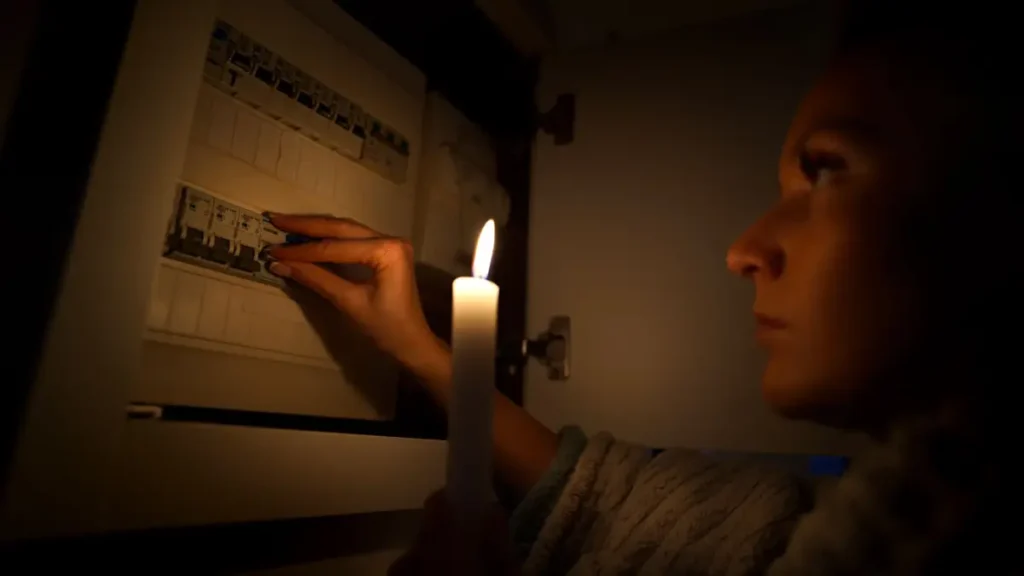
I can’t stress this enough — being prepared before the lights go out or a gas leak happens is the difference between staying calm and feeling completely overwhelmed. When you take the time to plan ahead, you actually give yourself control, and that sense of control is priceless in an emergency.
Emergency Power Plan Checklist
Here’s what I do to make sure I’m ready before a blackout hits:
- Family communication plan: Everyone in your home should know how to reach each other if phones die or networks go down. Decide on a central meeting point if you need to evacuate.
- Contact list: Keep handy the numbers for your utility company, neighbors, local emergency services, and any out-of-town contacts who can check on you.
- Pre-set evacuation criteria: Know when staying put is unsafe and when you should leave. This might sound dramatic, but having a clear threshold keeps panic from taking over.
When you follow this checklist, you’ll feel more in control — and your family will notice the difference.
Build and Store a Safety Kit
I always tell myself: “If I can grab it quickly, I’m prepared.” Your kit should include essentials like:
- Lighting and power: Flashlights, extra batteries, and power banks for phones and small devices.
- First-aid and communication: A basic first-aid kit and a battery-operated emergency radio to stay informed.
- Food & water: Enough for at least 72 hours — water, canned goods, and non-perishable snacks.
- Detectors: Carbon monoxide (CO) and smoke detectors with battery backup are lifesavers, especially if you use a generator or gas stove.
According to YellowPages, having a well-stocked safety kit that includes flashlights, extra batteries, first-aid supplies, and at least 72 hours of food and water is essential. They also recommend CO and smoke detectors with battery backup to stay safe during power outages and gas leaks.
Gas Leak Preparedness: What to Do Early
Gas leaks are sneaky, but early preparation saves lives. Here’s how I make sure I’m ready:
- Recognize the smell: Gas usually has a sulfur-like “rotten eggs” odor added. Never ignore it.
- Know your gas shutoff: Locate the main gas valve and practice how to turn it off safely.
- Utility contacts: Have your local gas provider’s number handy in case you need to call quickly. They can guide you on safe shutoff and inspection procedures.
Taking these small but deliberate steps makes a huge difference when the unexpected happens.
What to Do During a Power Outage
Once the lights actually go out, it’s easy to feel helpless. I’ve been there — and here’s what helps me stay calm and safe. Most people search for advice exactly at this point, so this is where practical guidance is essential.
Keep Communication & Safety Intact
Your first priority is to maintain connection and situational awareness:
- Report the outage: Call your utility or check their website/social media for updates.
- Stay connected with family: Text or use walkie-talkies if phones fail.
- Check on neighbors: Especially the elderly, sick, or disabled — even a quick knock can prevent emergencies.
Staying connected reduces anxiety and gives you information to make safer choices.
Safe Lighting & Heat
Many people think candles are harmless, but I’ve seen the fires they can start. Here’s what I recommend:
- Lighting: Use flashlights or battery-powered lanterns as your main source. Keep candles only as a last resort and never unattended.
- Temperature control: If it’s cold, layer clothing, use blankets, and close off unused rooms. In heat, stay hydrated, find shade, and ventilate wisely.
Safety is the top priority — don’t let a small lapse turn into a serious accident.
I also learned that even small errors can escalate quickly — check out 8 power outage mistakes electricians say could put your home at risk to avoid common pitfalls.
Refrigerator & Food Safety
Food is often a panic point during outages, so I take a methodical approach:
- Fridge & freezer window: Keep doors closed as much as possible. A full freezer can stay safe for 48 hours, and a half-full one for 24 hours.
- Temperature tools: I use a fridge thermometer to track when food might be unsafe.
Practical tips like this prevent unnecessary waste and keep your stress levels down.
If you want quick, practical tips during power outages or gas emergencies, I often share updates and reminders through a WhatsApp channel — it’s a handy way to stay informed in real time.
Have you ever been caught in a blackout and had to improvise safety at home? Share your experience — it might help someone else stay calm and prepared when the next outage hits.
Using Backup Power Safely
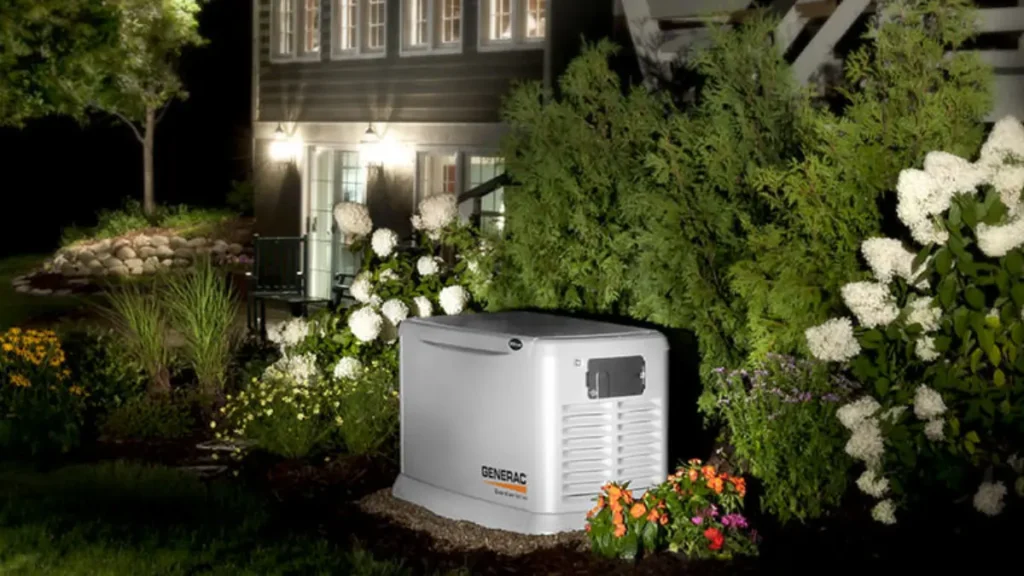
When the lights go out, it’s tempting to grab a generator or fire up a gas stove. I’ve seen how quickly a good intention can turn dangerous. Improper use of backup power is one of the most common causes of carbon monoxide (CO) incidents during outages. Let’s make sure you stay safe.
Generator Safety (Top Priority)
Generators can be lifesavers, but only if used correctly:
- Keep it outdoors: Always place your generator at least 20 feet from windows, doors, and vents. Never use it in a garage or basement.
- Exhaust orientation: Make sure fumes blow away from the house. CO gas can sneak inside silently.
- Use heavy-duty outdoor cords: Avoid indoor extension cords. Connect only appliances that need immediate power.
When I follow these steps, I feel confident that the generator is helping, not harming my family. A little caution goes a long way.
Carbon Monoxide Awareness
CO is invisible, odorless, and extremely dangerous. Here’s how I stay aware:
- Know the symptoms: Headaches, dizziness, nausea, and confusion. Don’t ignore them if a generator is running nearby.
- Detector placement: Install CO detectors on each floor, especially near sleeping areas. Test batteries regularly.
By taking CO seriously, you’re protecting not just property but lives. I’ve read too many tragic stories where people ignored CO warnings — don’t let that be you.
Alternative Cooking & Heating Options — Safe Usage
If your outage lasts hours, you’ll need to cook or stay warm. I make sure to follow these rules:
- Only use outdoors: Grills, camp stoves, or portable propane heaters should never come inside.
- Never heat with a gas stove indoors: Even with ventilation, it can produce deadly CO.
Keeping these alternatives safe means you get the comfort you need without risking an accident.
What to Do During a Suspected Gas Leak
Gas leaks are stressful, and panic can make things worse. I’ve learned that having clear steps in mind keeps both calm and safety intact.
Recognizing Gas Leak Signs
Before you do anything, identify the signs:
- Smell: Rotten eggs or sulfur-like odor added to natural gas.
- Sounds: Hissing or unusual gas flow noises.
- Appliances: Sudden dead or malfunctioning stoves, water heaters, or furnaces.
If any of these appear, don’t hesitate — early recognition can prevent a disaster.
To make sure you never miss an early warning, you can read a detailed guide on common gas leak signs and what each might mean for your home.
Immediate Action Steps
Here’s the step-by-step I follow if I suspect a leak:
- Don’t flip switches: Lights, appliances, even phones can trigger sparks.
- Ventilate and evacuate: Open doors and windows if safe, and leave the building immediately.
- Call the experts: Once at a safe distance, contact your local gas provider or emergency services for guidance.
These actions aren’t optional. They’re the difference between a safe outcome and a tragedy.
Taking these actions isn’t optional — you can also check out 6 proven ways to prevent a home explosion from a suspected gas leak to strengthen your home safety plan.
Have you ever smelled gas or faced a blackout and didn’t know what to do first? Share your story — your experience could help someone else stay calm and safe in the next emergency.
After Power Returns: Safety Checklists
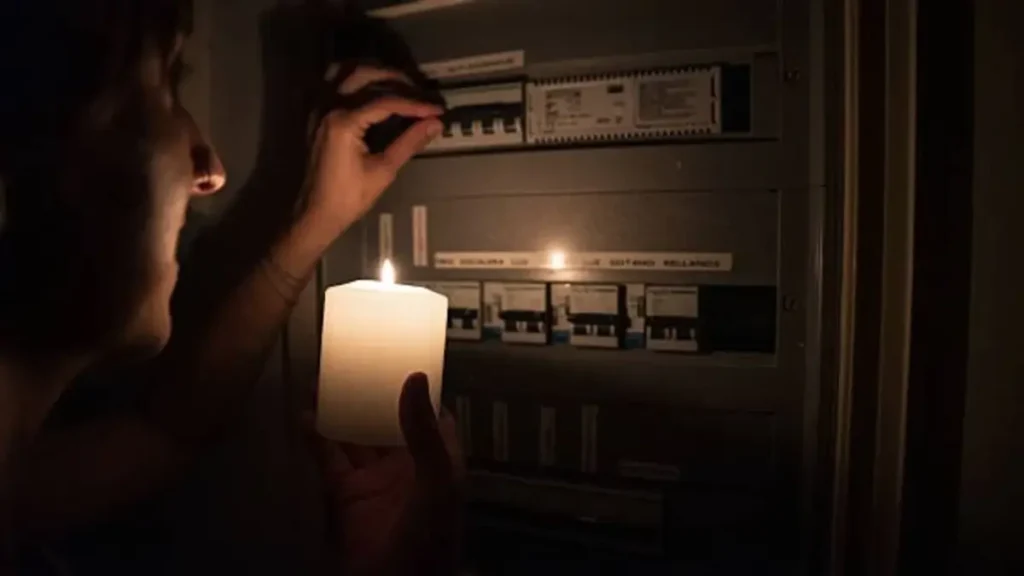
The lights are back on, and it’s easy to feel “all clear.” I’ve learned that most accidents happen after power returns, when people drop their guard. Here’s what I always do to stay safe.
Electrical & Appliance Safety
- Unplug devices first: Before turning anything back on, I unplug sensitive electronics to prevent surges.
- Avoid overloads: I plug devices gradually into circuits that can handle the load. One small step prevents fires and tripped breakers.
Taking these precautions feels simple, but it’s one of the most overlooked ways to avoid damage to your home.
Gas System Checks
- Wait for utility approval: Before turning gas back on, I always wait for the go-ahead from my provider.
- Inspect appliances: Pilot lights, stoves, and connections need a quick check to ensure they’re safe.
As per the Indiana Government’s gas safety guidelines, skipping these steps can lead to accidents even after the outage seems over.
Community & Expert Tips
Sometimes the best advice isn’t from guides — it’s from people who’ve been there. I like to check communities and experts for practical, real-life strategies.
Real Advice from Prepared Communities
On forums like Reddit, people share hacks that actually work:
- Using reflective blankets to stay warm indoors.
- Rotating fridge items to maintain temperature when power is spotty.
- Generators with proper extension cords and exhaust placement.
These tips add practical context beyond the formal safety manuals and often solve small problems you won’t find in official guides.
Expert Warnings on CO Dangers
Fire departments regularly highlight CO risks during outages:
- Generators indoors or near vents can release deadly fumes.
- CO alarms save lives when placed correctly.
According to a report in the Houston Chronicle, most CO incidents could have been avoided by following proper placement and ventilation rules.
Safety Myths That Can Kill You
There are some “common sense” ideas that actually increase danger. I always remind myself to question what I think I know.
Myth: Candles Are Safe Backup Light
- Candles are fire hazards, especially around children or pets.
- Safer alternatives: battery-powered lanterns or flashlights.
Myth: Gas Stove Can Heat Home
- Using a stove indoors might feel warm, but it produces deadly carbon monoxide.
- Even ventilation isn’t enough to make it safe.
Clearing these myths helps me—and you—avoid preventable mistakes and gives the confidence to act wisely in an emergency.
Have you ever followed a safety tip that saved you during a blackout? Or maybe you learned the hard way that a “common sense” method was risky? Share your story — it could help someone else stay safe next time.
For more quick tips, real-life safety stories, and updates on home emergencies, you can follow us on X and join our Facebook group.
Disclaimer: The information provided in this article is for general safety guidance only. Always follow instructions from your local authorities, utility providers, and emergency services. The author is not responsible for any damage, injury, or loss resulting from the use of this information.