Sharon Heights Sees Surge in Residential Burglaries in Menlo Park
I live in a neighborhood where quiet streets and big, sunlit homes usually make you feel safe. But lately, that sense of security in Sharon Heights, Menlo Park, has been shattered. Burglaries aren’t just happening when people are away—they’re happening while families are home. I’ve heard stories from neighbors like Brian Kissel and Maya Sewald about intruders appearing in hallways or smashing side windows to grab valuables in seconds. It’s the kind of fear that makes you double-check locks, glance out windows, and wonder if your home is really safe.
In this article, I want to take you through what’s really happening in Sharon Heights, why these break-ins are on the rise, and what you and your neighbors can do to protect your home. You’ll get data, real-life experiences, and practical steps that go beyond the headlines. By the end, you’ll know not just the scale of the problem, but how to stay ahead of it.
Sharon Heights Under Siege
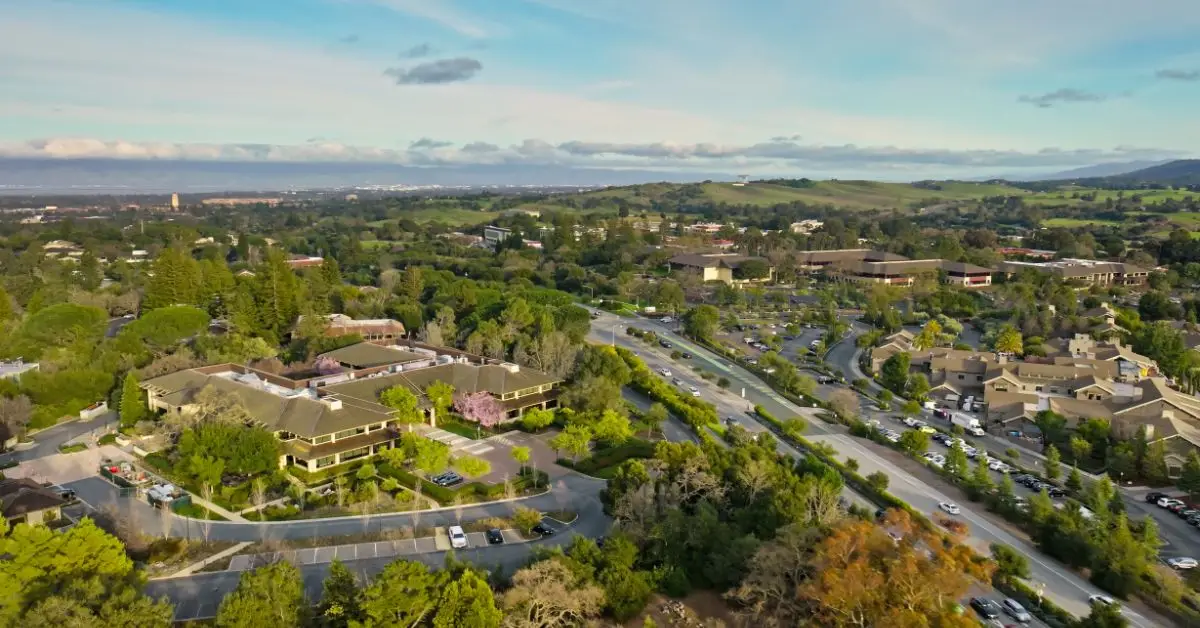
You know that feeling when a neighborhood seems perfectly safe? That’s Sharon Heights in Menlo Park—tree-lined streets, multimillion-dollar homes, and families who have lived there for decades. I used to walk around here thinking nothing could go wrong. But lately, that sense of security has changed.
Break-ins aren’t just happening when people are out anymore. Neighbors like Brian Kissel have told me that thieves are coming in while families are at home, sometimes even during dinner. Maya Sewald shared a story that still gives me chills: a teenage girl came face-to-face with a masked intruder in her own hallway. Thankfully, nothing happened that time—but it’s easy to see how quickly fear can turn into a dangerous situation.
This isn’t just about numbers on a police report. It’s about the feeling of safety being ripped away from a community that thought it was untouchable. And if you live in or near Menlo Park, this is something you need to understand—and take seriously.
Situations like this aren’t limited to one neighborhood either. A similar case happened recently in Sherman Oaks where a house was targeted twice during an ongoing burglary investigation, showing how repeat incidents can happen even in areas that feel secure (Sherman Oaks burglary investigation).
How Burglars Are Targeting Menlo Park Homes
If you think burglaries are slow, messy affairs, think again. In Sharon Heights, most break-ins happen during dinnertime, when families are distracted. Intruders use small devices to shatter side windows in seconds, grab jewelry, designer handbags, and vanish in under three minutes.
Some of these burglars are sophisticated. Ray Mueller, the San Mateo County supervisor, mentioned that they’ve been seen driving “nice cars” and even swapping license plates at nearby Safeway parking lots to avoid detection. It’s a reminder that these aren’t random kids testing locks—they’re organized and fast.
In fact, even high-profile homes have been targeted using similar quick-entry tactics, including the burglary at fashion designer Rachel Zoe’s Los Angeles property, which shows how these fast break-ins are becoming more common across different cities (Rachel Zoe home burglary case).
I found it helpful to look at how these patterns compare across the Bay Area, and SFGate’s report on Menlo Park home burglaries breaks down the timeline and trends. Seeing the numbers and reading residents’ accounts made me realize this is a real, ongoing threat—and one that we all need to be aware of in our own neighborhoods.
Crime Data Reveals the Surge and Trends
Looking at the numbers really puts things into perspective. At the start of the pandemic, Menlo Park saw burglaries jump from 10 reported cases in April 2020 to 33 by August. It dipped into single digits for much of 2021, but the spike returned in January 2024 with 36 incidents citywide. This year alone, there have already been 13 break-ins, according to Menlo Park Police spokesperson Nicole Acker.
I’ve been comparing these trends to similar affluent neighborhoods across the Bay Area, and it’s clear that Sharon Heights isn’t an isolated case. Communities with large homes and quiet streets are seeing a similar pattern: when the homes feel safest, that’s often when burglars strike. Understanding these trends isn’t just about numbers—it’s about seeing where and when you need to be extra vigilant.
Authorities in other cities are also tracking similar patterns—for example, police recently began searching for four suspects involved in a Marine Park home burglary, highlighting how organized burglary groups are appearing in multiple neighborhoods (Marine Park burglary suspects).
For anyone wanting a deeper dive into local crime statistics, Menlo Park’s Police Department transparency dashboard provides up-to-date reports on incidents, arrests, and patterns across the city.
How Authorities Are Tackling the Menlo Park Burglary Wave
Knowing the police are aware and actively responding helps, but it doesn’t remove the worry entirely. Sharon Heights residents, including members of the Community Association, have been pushing for increased patrols and other preventive measures, and the city has listened. Town halls, like the one held on March 5, 2026, give residents a chance to voice concerns and hear about planned interventions.
Some residents are also sharing quick alerts and safety updates through neighborhood WhatsApp channels, which has become a helpful way for people to stay informed when suspicious activity happens nearby.
Ray Mueller, the San Mateo County supervisor, explained that the city is collaborating with neighboring areas and integrating technology to catch burglars faster. Drones have already proven effective in nearby Redwood City, and the city’s network of Flock cameras—automatic license plate readers—adds another layer of monitoring.
For anyone living in Menlo Park, it’s encouraging to know these steps are being taken, but it’s also a reminder that staying aware and connected with your community is just as important as relying on technology and police presence.
Modern Tools Residents Can Leverage
When I first started thinking about home security, I assumed it was just about cameras on the porch. But in Sharon Heights, technology is becoming part of the conversation on a community level.
Take drones, for example. In nearby cities like Redwood City, drones have shown they can get eyes on a suspect faster than patrol cars — and that kind of rapid response changes the game.
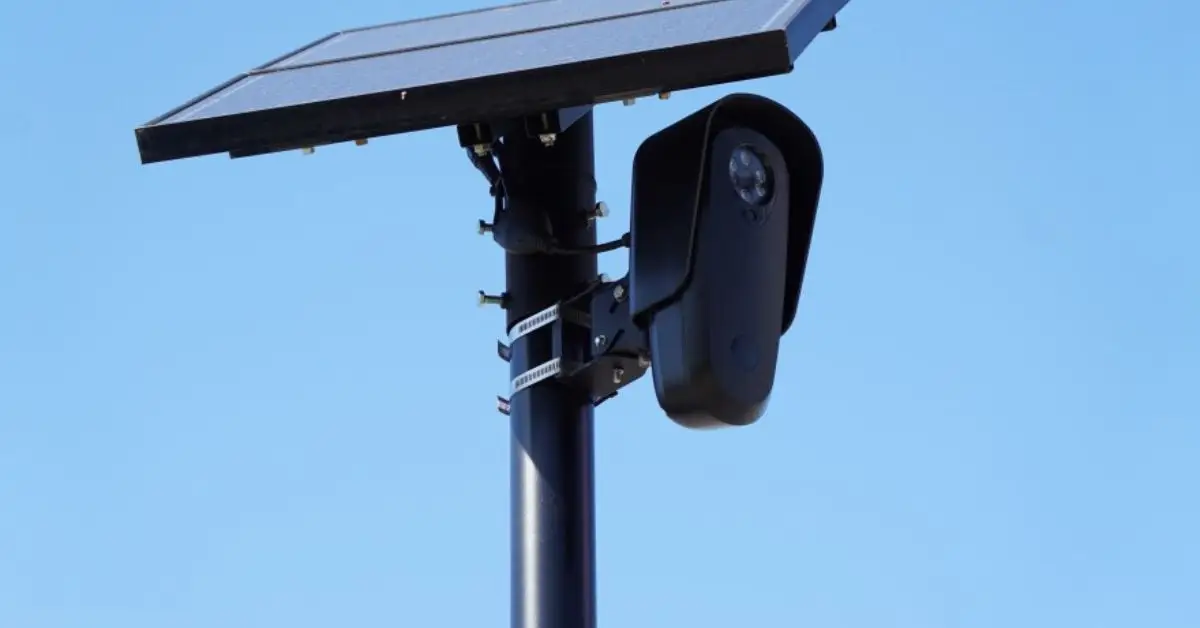
There are also Flock cameras (automatic license‑plate readers) around town. They can alert you and law enforcement to vehicles that don’t belong in your neighborhood, but they also raise questions about privacy and how long data is stored. It’s worth understanding both sides before you sign up.
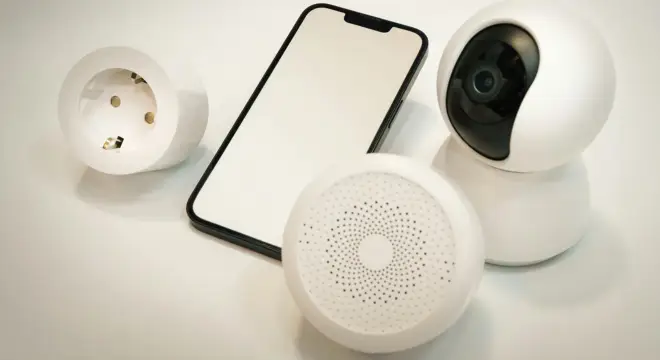
Of course, smart home systems — alarms, door/window sensors, motion‑activated floodlights, video doorbells, and smart locks — are now affordable and effective. Security experts I follow on Twitter and Reddit consistently recommend combining these tools for best results rather than relying on any single device.
For local context on how authorities and residents are using technology and manpower together, check out this update on extra police patrols in Sharon Heights.
Safety Tips and Preventive Measures from Security Experts
I’ve talked to security pros and dug into trusted guides, and a few straightforward practices stand out.
First: lighting matters. Well‑lit entrances and pathways aren’t just for aesthetics — they deter would‑be intruders because shadows and dark corners give them cover.
Second: reinforce the basics. Doors and windows with solid frames, quality deadbolts, and impact‑resistant glass or film make it harder for someone to disrupt your space in seconds.
Third: put together an emergency plan. Know how you’d respond if someone tried to enter your home, and make sure everyone in your household knows it too.
It’s also smart to document valuables — take photos, record serial numbers — and make sure your homeowner’s insurance reflects the current value of your property. It’s not something anyone likes to think about until it matters, but I guarantee you’ll be glad you did it if you ever need it.
These tips don’t replace good tech or neighbor cooperation — they enhance them. When you layer physical precautions, community awareness, and smart tools, that’s when your home starts to feel truly secure.
Staying Safe in Menlo Park Amid Rising Burglaries
After looking at the trends, talking to neighbors, and reviewing the tools available, one thing is clear: staying safe in Menlo Park takes a combination of awareness, preparation, and community effort. Burglaries in Sharon Heights and similar neighborhoods aren’t random—they follow patterns. Being aware of timing, entry points, and how thieves operate is your first line of defense.
Technology helps, too. Smart home systems, Flock cameras, and even drones can give you an edge, but only if you use them alongside good habits like lighting, reinforced doors, and documenting valuables. And the community angle can’t be ignored: staying connected with your neighbors and participating in local patrols or town hall meetings amplifies everyone’s safety.
If you live in Menlo Park, I encourage you to consider supporting the drone program and adopting smart security tools where possible. But don’t stop there—share what you learn with your neighbors and stay engaged with your local police updates.
I’d love to hear from you: What steps have you taken to protect your home? Are there safety strategies or tech tools you swear by? Drop your thoughts in the comments below, and if you want more practical tips for securing and improving your home, visit us at Build Like New. Your experience could help someone else in the neighborhood feel safer too.
If you want to stay updated on real burglary reports, home safety insights, and neighborhood crime trends, you can also follow Build Like New on X or join the discussion in our Facebook community where readers share updates and safety tips.
Disclaimer: This article is for informational purposes only and reflects reported trends, expert advice, and community experiences. It does not replace professional security consultation or official guidance from law enforcement.