5 Genius Ways to Repurpose Your Home Office When Remote Work Is Over
I’ve been noticing a shift in my own home—and maybe in yours too. The dedicated home office that once felt essential during the peak of remote work now sits quieter, used far less than before. With hybrid schedules and return-to-office mandates creeping back into our routines, that square footage you carved out for work suddenly feels… wasted.
But here’s the thing: this isn’t just empty space. It’s a chance. A chance to transform your office into something that actually adds value to your life—and maybe even to your home’s resale price. I’ve been exploring how people are creatively repurposing their workspaces, and some of the ideas are surprisingly simple, practical, and even fun. From wellness retreats to indoor gardens, there’s a lot more you can do than just shove the desk into a corner.
In this article, I’m going to walk you through five ways you can breathe new life into your home office, no matter its size. These aren’t just trends I’ve pulled off Pinterest—they’re backed by designers, real-life homeowners, and a growing body of research showing that thoughtful spaces improve both your lifestyle and your home’s appeal.
Understanding Your Space and Goals
Before you start moving furniture or picking paint colors, let’s pause and really look at your office space. I’ve learned the hard way that diving in without a plan can leave you with a room that’s prettier but less practical. Here’s how I’d approach it:
- Assess the size: Measure the square footage and note how much natural light comes in. Tiny windows or awkward corners can change which ideas will actually work.
- Take inventory: What furniture do you already have? Could it be repurposed, or does it need to go?
- Define your goal: Ask yourself—do I want this space for personal enjoyment, family use, or long-term resale value? Sometimes a mix works best.
- Set a budget: Even small changes add up, so know what you can spend without stressing yourself.
- Plan for flexibility: Life changes fast—if you want a space that can evolve (like a wellness corner now and a study nook later), keep it adaptable.
Sometimes, after evaluating your space and goals, you might realize remodeling isn’t enough—and deciding whether to remodel or relocate can be a game-changer for your lifestyle and home value.
Taking a few minutes here will save you frustration later and make sure the room works for you and not just what you think “should” be trendy. Just like choosing the right layout for a home office can impact both functionality and resale, avoiding common mistakes in bathroom remodels can save time, money, and stress.
1. Wellness & Reset Room
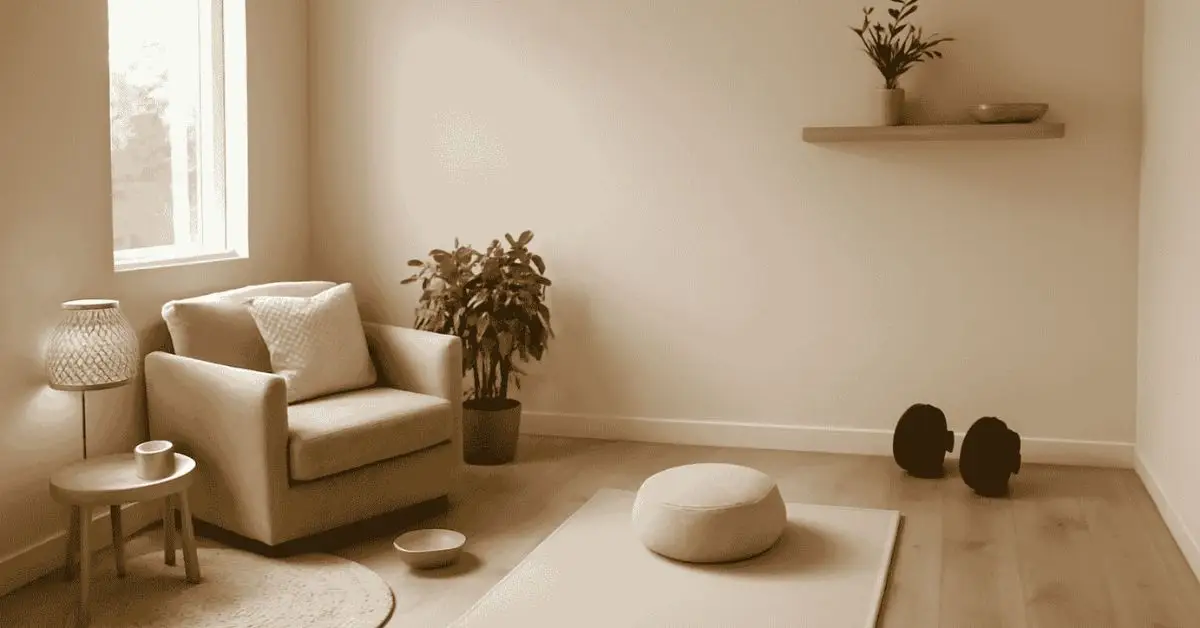
If you’re anything like me, having a space just to step back and recharge is priceless. Transforming your office into a wellness corner is one of the easiest ways to make your home feel like it’s supporting your life, not just your work.
Here’s how I’d tackle it:
- Clear the desk: Start fresh by removing office furniture. Even a small corner feels different without clutter.
- Add comfort: Lay down a soft rug or mat, add floor cushions, or a cozy chair. I like having a spot where I can sit, stretch, or meditate without distractions.
- Set the mood: Soft lamps, fairy lights, or warm accent lighting make the space inviting. Consider neutral wall colors like beige, light green, or pale blue.
- Bring in personal touches: Candles, plants, or essential oils help create a calming atmosphere. Even a small shelf can hold items that make you feel at peace.
- Maximize natural light: Open curtains or use sheer drapes to let sunlight in. A bright corner can naturally boost mood and energy.
Creating a wellness-focused space doesn’t just feel good—it’s supported by design experts who show that spaces promoting well-being improve your lifestyle and overall satisfaction at home. For tips on making your home reflect your lifestyle while prioritizing wellness, I recommend this guide on creating a wellness-centric home from Kempa Design.
Honestly, just a few simple adjustments can make this room your personal retreat at the end of a long day. And if you ever decide to sell your home, potential buyers notice spaces that feel intentional and restorative, not just leftover office corners.
2. Personal Library or Study Nook
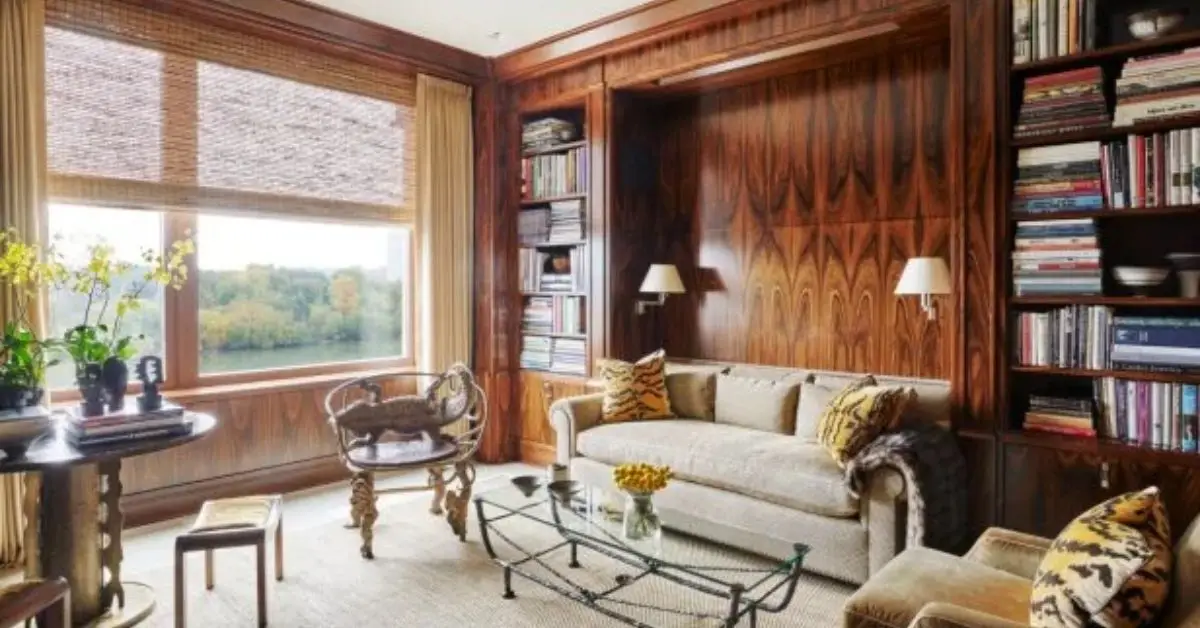
I’ve always loved the idea of a cozy reading corner, and transforming a home office into a personal library can be surprisingly easy—even in a small space. This is one of those upgrades that feels luxurious without being expensive.
Here’s how I’d set it up:
- Install shelving: Use tall bookcases or modular wall shelves to hold your books. Even small, flexible units work if space is tight.
- Create a comfortable seat: A reading chair or lounge spot makes it inviting. Add a small side table for tea or coffee.
- Add warm lighting: A desk lamp or soft floor lamp helps create a cozy atmosphere.
- Include finishing touches: A thick rug, a throw blanket, or a small piece of art can make it feel personalized.
A personal library doesn’t just serve you—it can be a selling point too. According to Realtor.com, creative uses of home offices, like library nooks, are increasingly appealing to buyers because they make a home feel thoughtful and functional.
Honestly, this kind of space turns a formerly “just another room” office into a spot you actually want to spend time in. It’s practical, beautiful, and adds a touch of charm that stands out.
3. Kids’ Discovery or Learning Room
If you’ve got little ones, you know how quickly toys and school supplies can take over the living room. Repurposing your home office into a kids’ discovery or learning space solves that problem and makes life a bit easier for everyone.
Here’s what I’d do:
- Low shelves for easy access: Make books, toys, and art supplies reachable without constant help.
- Safe play area: Add a play mat or soft flooring for exploring and crafting.
- Table for learning: Even a small table can serve for homework, art, or board games.
- Decor that inspires: Fun wall art, learning posters, or a chalkboard wall keeps the space engaging.
From a resale perspective, rooms like this can appeal to families who value functional, child-friendly areas. Using your office this way also keeps the rest of your home tidier and more organized.
Personally, I love seeing my kids have a space that’s their own. It turns a quiet office into a hub of creativity and learning, and it’s something both you and your children actually use every day.
4. Personal Library or Study Nook
I’ve always loved curling up with a good book, and transforming a home office into a personal library can turn that dream into reality. Even if your office isn’t huge, a little planning goes a long way.
Here’s how I’d approach it:
- Bookshelves: Install tall or modular shelving to maximize space. Modular units are budget-friendly and flexible if you decide to move them later.
- Reading spot: Add a comfortable chair or lounge seat where you can truly relax.
- Lighting matters: Use a desk lamp or floor lamp for warm, focused light.
- Finishing touches: A throw blanket, small rug, or art pieces can make it feel cozy and personal.
These little details don’t just make the space enjoyable—they can appeal to buyers too. According to House Beautiful, creating multi-purpose spaces like a reading nook is a trend that adds sophistication and charm, which buyers notice.
5. Kids’ Discovery or Learning Room
If you have children, you know how toys and schoolwork can take over living spaces fast. Turning your office into a kids’ discovery or learning room solves that problem while giving your home a unique, functional edge.
Here’s how I’d set it up:
- Low shelves: Make books, toys, and supplies easily accessible to little hands.
- Safe, soft play area: Add a play mat or soft flooring for arts, crafts, and active play.
- Learning table: Even a small table can serve as a homework station, craft zone, or board game spot.
- Interactive decor: Fun wall art, chalkboards, or pegboards keep the space engaging.
- Social inspiration: Check Instagram or TikTok for creative, compact playroom ideas.
From a resale perspective, child-friendly rooms like this can make your home stand out to families. It’s practical, keeps the rest of the house tidier, and transforms what was an empty office into a lively, useful space.
Personally, I love seeing my kids use a space that’s theirs—it makes the home feel organized and intentional, and it’s something everyone enjoys.
Maximizing ROI of Your Office Remodel
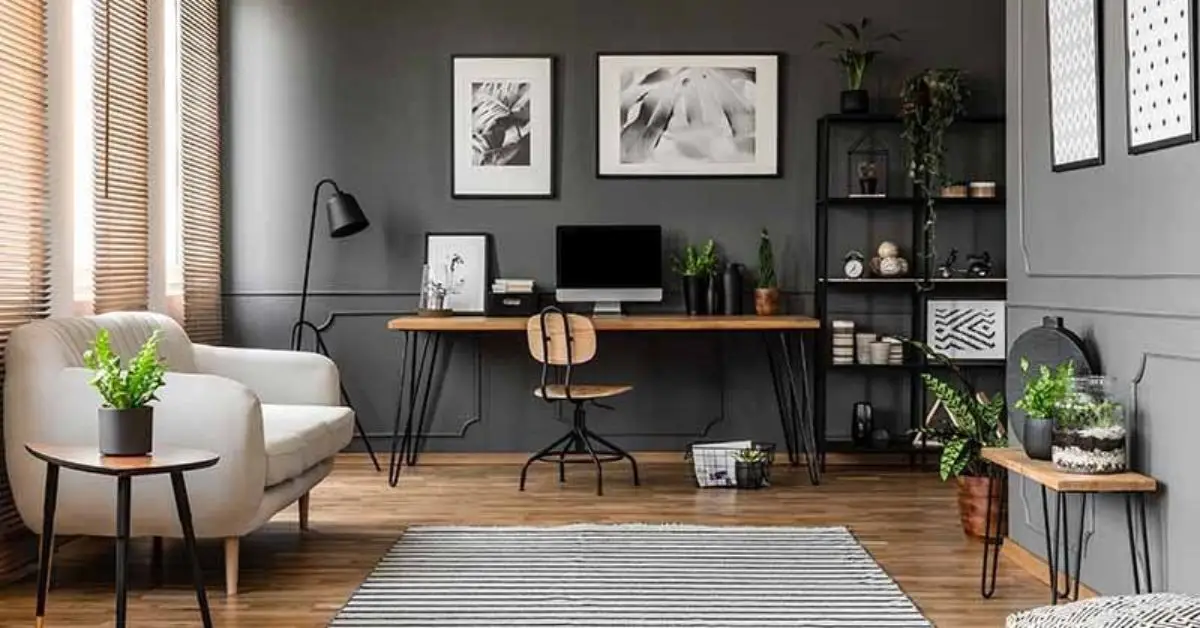
One question I always get asked is: “Will this even pay off?” Honestly, repurposing your home office can have both lifestyle and financial benefits—if you do it thoughtfully.
Here’s what I keep in mind:
- Lifestyle-driven value: Interior designers often emphasize that homes designed around how we actually live—not just how they look—resonate with buyers. Joyce Huston, co-founder of Decorilla Online Interior Design, notes that spaces supporting well-being and family life are increasingly appealing.
- Small investments, big impact: You don’t need a full remodel to see returns. Adding modular shelving, a cozy reading chair, or indoor greenery can enhance perception of value without breaking the bank.
- Data-backed trends: Popular home features in 2025 include multi-purpose rooms, wellness spaces, and family-friendly areas. Buyers notice homes that feel functional, flexible, and intentional.
- Resale angle: Creative conversions—from library nooks to pet-friendly zones—can differentiate your property and appeal to a wider audience.
I’ve found that thinking about your remodel as both a personal upgrade and an investment makes the process less stressful and far more rewarding.
Final Tips & Actionable Checklist
Before you dive in, here’s a quick checklist I use to make sure the remodel actually works:
- Assess your space: size, light, furniture.
- Define your goal: lifestyle enjoyment, family use, or resale value.
- Pick one of the five ideas: wellness corner, indoor garden, pet area, library nook, or kids’ space.
- Start small: try DIY updates first before major purchases. And if you start tackling DIY updates or furniture rearrangements, it’s always smart to consider safety precautions—like protecting your home during renovation.
- Keep it flexible: your needs may change, so avoid permanent, one-purpose setups.
- Seek inspiration: Pinterest boards, Instagram posts, and design forums can spark ideas.
If you try any of these ideas, I’d love to hear how it goes—drop your thoughts in the comments! And if you want more actionable tips and step-by-step guides for home improvement, check out my website, Build Like New, where we break down ideas that make your home smarter, stylish, and truly livable.
Disclaimer: The ideas and tips shared in this article are for inspiration and general guidance. Results may vary depending on your space, budget, and personal circumstances. Always consider professional advice for structural changes or significant investments.