United Fire Authority Responds to House Fire in Cottonwood Heights
Early Thursday morning, a house fire in Cottonwood Heights triggered a fast emergency response as firefighters rushed to control the blaze. Thick smoke and flames were already visible when crews arrived, forcing them to begin fighting the fire from outside the home.
Officials from the Unified Fire Authority said the fire had grown quickly, making entry difficult during the first moments of the response. Firefighters later searched the home to ensure everyone inside had made it out safely.
Early Morning Fire Prompts Major Emergency Response
When a fire breaks out in a quiet neighborhood, the first few minutes matter more than anything. That’s exactly what happened Thursday morning near Cottonwood Heights, when emergency crews were alerted to a house fire and quickly rushed to the scene.
When the Fire Was Reported
According to early reports, the incident began Thursday morning when firefighters received a call about smoke and flames coming from a home. Situations like this move fast, and dispatch immediately sent crews to investigate the structure fire.
Details from the incident were later shared by officials with the Unified Fire Authority. As reported by KSL TV, emergency responders were dealing with an active blaze by the time they reached the property.
Fire Crews Arrive at the Scene
Firefighters from the Sandy Fire Department were among the first teams to start battling the fire. Additional crews from the Unified Fire Authority quickly joined them to support the operation.
When multiple departments respond together like this, it usually means the situation has the potential to grow quickly. Crews worked to stabilize the scene while preparing to search the home and control the flames.
Heavy Smoke Forces Firefighters to Fight the Fire From Outside
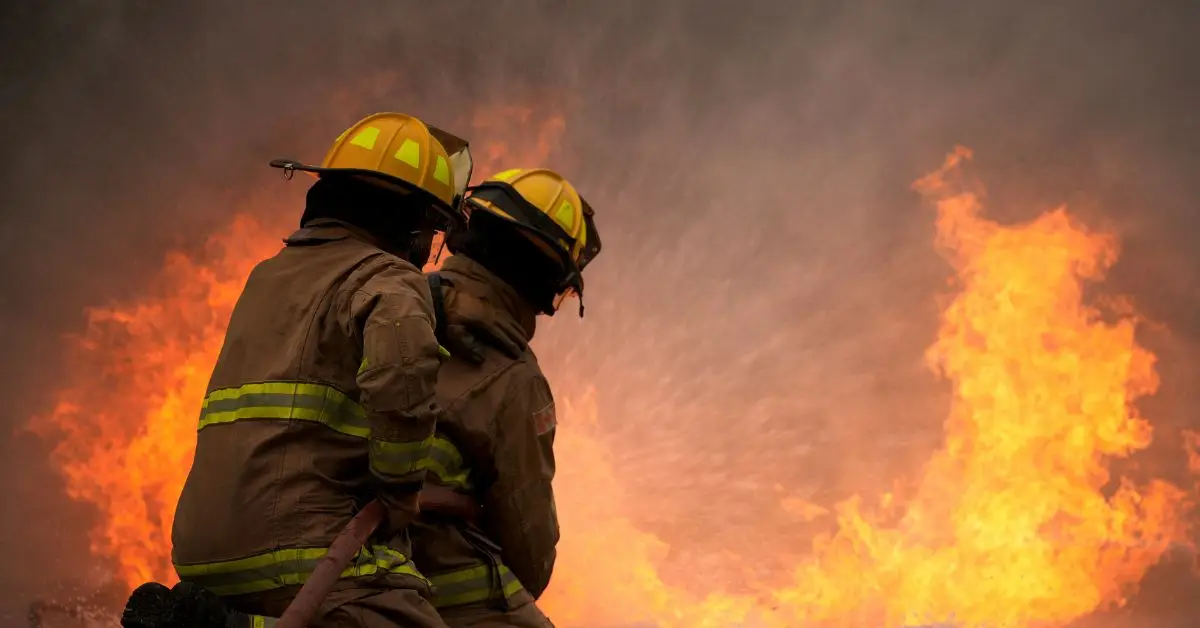
When firefighters arrived, they faced a problem that often makes house fires much more dangerous — thick smoke and active flames already filling parts of the home.
Flames and Smoke Visible Inside the Home
Heavy smoke was visible coming from the structure, and flames were already burning inside. In situations like this, firefighters have to carefully evaluate whether entering the building immediately is safe.
If conditions are too unstable, rushing inside can put crews at serious risk. Similar sudden house fires have happened in other cities as well. In one recent case, investigators found that a candle accidentally sparked a home fire in Raleigh, showing how quickly everyday household items can start a dangerous blaze.
Exterior Fire Suppression Strategy
Because of those conditions, firefighters initially attacked the fire from outside the home. This approach helps slow the fire down and reduce temperatures before crews attempt a deeper interior search.
Once conditions improved, firefighters were able to move in and check the home floor by floor to make sure no one was trapped inside.
Firefighters Search Multiple Floors of the Home
Once the flames were partially controlled, firefighters moved to the next critical step — searching the house. In fires like this, crews don’t assume anything. They go room by room to make sure no one is trapped inside.
Interior Search Operations
After reducing the intensity of the fire from outside, crews carefully entered the structure to begin an interior search. Firefighters moved through the home and checked multiple floors to make sure every space was cleared. This step is critical because fires can become tragic when people are still inside. A heartbreaking example was the tragic house fire in Will County that claimed four lives, including children, highlighting why firefighters never skip a full search of the property.
This process takes coordination and caution. Smoke, heat, and structural damage can make even a short search dangerous, so firefighters work methodically to confirm the building is safe.
Confirmation That Residents Escaped Safely
Fortunately, the homeowners confirmed that everyone had already made it out of the house before crews began their search. That information helps firefighters focus their efforts on controlling the fire and checking for pets or hidden hot spots.
Officials with the Unified Fire Authority later confirmed the search operations were successful and no residents were found inside the home.
Firefighters Rescue and Revive an Unresponsive Cat
Sometimes the most emotional moments during a fire rescue involve pets. For many families, animals are just as important as people — and firefighters know that.
Dog Escapes the Home
In this case, one of the pets managed to get out on its own. A dog living inside the house was able to escape safely as the fire unfolded.
Cat Found Unresponsive Inside
The second pet wasn’t as lucky at first. During the search, firefighters located a cat inside the home that was unresponsive due to smoke exposure.
Crews quickly stepped in and administered oxygen in an attempt to revive the animal. These kinds of pet rescues happen more often than many people realize during house fires.
Guidelines for handling pets during emergencies are commonly shared by organizations like the American Red Cross, which encourages families to plan ahead for pet safety during disasters.
Pet Transported for Veterinary Care
Thankfully, the oxygen treatment worked. Firefighters were able to revive the cat, and it was later taken to a veterinarian for further care.
For the homeowners, that small moment of relief likely meant everything after a frightening morning.
Firefighters Continue Battling the Blaze as the Incident Expands
Even after the initial response, the situation didn’t calm down immediately. Fires in residential properties can take hours to fully control, especially when the structure is large and conditions keep changing.
Fire Still Active Around 2:30 PM
By around 2:30 in the afternoon, firefighters were still actively working to suppress the blaze. Crews remained on scene, tackling remaining flames and preventing hidden hot spots from reigniting.
Large house fires rarely end quickly. Firefighters often stay for extended periods to make sure the fire is completely under control.
Incidents like this often continue developing throughout the day as officials release new updates. Many readers now follow real-time fire and safety updates through quick alert channels where major incidents are shared as they unfold.
Larger Homes Can Produce Larger Fires
Officials from the Unified Fire Authority explained that bigger homes can naturally produce larger and more complex fires. More rooms, more materials, and larger layouts mean flames have more space and fuel to spread.
That’s one reason crews continued to work carefully through the structure even after the most visible flames were reduced.
Monitoring Wind Conditions
Another factor firefighters had to watch closely was the wind. Changing wind direction can quickly push flames or embers toward nearby areas, which is why crews monitored conditions throughout the response.
Fire behavior can shift rapidly depending on weather conditions. According to the National Weather Service, wind is one of the biggest factors that can intensify or spread fires in residential and wildland areas.
Wildland Crews Called After Fire Spreads to Nearby Grass
As firefighters worked to contain the structure fire, another concern started to develop around the property.
Grass Fire Risk Near the Property
Reports indicated that the fire had begun spreading from the home toward nearby grass areas. When flames move from buildings to surrounding vegetation, the situation can escalate quickly.
Dry grass can ignite fast, especially if wind carries embers away from the original fire.
Wildland Assignment Dispatched
Because of that risk, additional wildland crews were dispatched to the scene. Their role was to stop the fire from spreading further into nearby open areas and prevent a secondary wildfire situation.
Situations like this require coordination between structural firefighters and wildland response teams to keep the fire contained and protect nearby properties.
Police Close Nearby Cul-de-Sac to Manage Traffic
When a house fire happens in a residential neighborhood, the impact isn’t limited to the home itself. Roads around the scene often have to be restricted so emergency crews can work safely.
Road Closure Near the Fire Scene
Authorities temporarily closed a nearby cul-de-sac close to the fire scene. This helped firefighters move equipment freely and prevented residents from getting too close to the active incident area.
Road closures like this are common during emergency responses. They give fire crews the space they need to position trucks, hoses, and other equipment.
Traffic Management by Police
Officers from the Sandy Police Department managed traffic in the neighborhood while firefighters continued battling the blaze.
According to Sgt. Michael Olsen, police worked to keep the area secure and ensure that emergency responders could move in and out of the scene without obstruction.
Damage Assessment and Current Status of the Home

After the most intense flames were brought under control, attention turned to the condition of the house itself.
Home Not Fully Engulfed
Officials reported that the home was not completely engulfed by the fire. While the blaze caused significant damage, large portions of the structure were still standing.
In many cases, early suppression efforts can prevent a fire from destroying an entire property, even if parts of the home are heavily affected.
Firefighters Continue Monitoring the Situation
Even after the flames were reduced, firefighters stayed on the scene to monitor the situation. Crews typically remain for hours during incidents like this to check for hidden hot spots and ensure the fire does not reignite.
Large residential fires can take time to fully secure, especially when multiple rooms or floors are involved.
What Happens After a Residential Fire Investigation Begins
Once the immediate danger passes, the focus usually shifts to understanding how the fire started.
Fire Cause Investigation
Fire investigators begin examining the property to determine the origin and cause of the blaze. Similar investigations happen after many residential fires. For example, authorities recently launched an investigation after a mobile home fire in Tucson, where officials carefully examined possible ignition sources and structural damage.
This often involves checking electrical systems, appliances, heating equipment, and any possible ignition sources.
Investigators also study burn patterns inside the home and gather statements from homeowners or witnesses.
Safety Checks for Surrounding Homes
Authorities may also inspect nearby areas to make sure the fire did not spread to neighboring properties. Even small embers can cause problems if they land on nearby structures or vegetation.
These follow-up checks are a routine part of making sure the entire area is safe after a residential fire.
Community Safety Reminder After a House Fire
Incidents like this are a reminder of how quickly a house fire can develop. In just minutes, smoke and flames can make a home dangerous to escape.
That’s why simple safety steps matter. Make sure smoke alarms are installed and tested regularly, especially near bedrooms and hallways.
It’s also a good idea to create a clear fire escape plan with your family so everyone knows how to get out quickly during an emergency.
And if you have pets, include them in your plan. Fires often create confusion for animals, so having a plan for their evacuation can make a big difference.
What This Cottonwood Heights House Fire Reminds Us
When you look at incidents like this house fire near Cottonwood Heights, one thing becomes very clear — fires can escalate in minutes, but quick action from emergency crews can make a huge difference.
In this case, firefighters were able to respond quickly, search the home, rescue pets, and prevent the blaze from spreading further into nearby areas. While the home suffered damage, the most important outcome is that the residents made it out safely.
For homeowners, stories like this are also a reminder to stay prepared. Working smoke alarms, a simple escape plan, and awareness of fire risks inside the home can save lives when seconds matter.
I’d also love to hear your thoughts. Have you ever experienced a house fire or a close call in your neighborhood? What safety steps do you take to protect your home and family? Share your experience in the comments — your story could help someone else stay prepared.
And if you’re interested in more practical insights about home safety, repairs, and smart home improvement ideas, you can explore more guides on Build Like New.
If you want to stay updated on similar home fire incidents, safety insights, and housing news, you can also follow Build Like New on X and join the conversation in our Facebook community where we regularly share important updates.
Disclaimer: This article is based on publicly available reports and official statements at the time of writing. Details about the incident may change as authorities continue their investigation and release further updates.