Wells River House Fire Destroys Home, Family Forced to Evacuate
I’ve covered local fire incidents for years, but stories like this still stop me for a moment. Early Monday morning in Wells River, a quiet stretch of Route 302 near Boltonville Road turned into a scene of smoke, flashing lights, and urgency. A two-story home caught fire before sunrise, forcing a family of three to rush outside while the house filled with smoke.
The call came in around 5:30 a.m. Firefighters arrived quickly, but the flames had already taken hold of the structure. Inside the house were two adults, a child, and the family dog. All of them managed to escape safely before the fire spread further — something that doesn’t always happen in early-morning house fires.
Fire Chief Jeff Morin said crews believe the fire may have started in the basement area after an issue with a pellet stove the night before. Within about twenty minutes of firefighters arriving, the roof of the house collapsed, showing just how fast the situation escalated.
When I look at incidents like this, one thing always stands out: a normal morning can change in minutes. Homes are lost, families are displaced, and entire communities suddenly pay attention to fire safety again.
In this report, I’ll walk you through exactly what happened during the Wells River house fire, what investigators know so far, and the safety lessons every homeowner should take seriously.
Three Residents and a Dog Evacuate Before Fire Spreads
When I read reports about house fires, the first thing I want to know is simple: did everyone make it out safely? In this case, they did — and that’s what matters most.
Inside the Wells River home were two adults, a child, and the family dog. Around 5:30 a.m., they woke up to a house filling with smoke. Imagine waking up expecting a normal morning, only to realize the air around you smells like smoke and the rooms are starting to haze over.
The family reacted quickly. They managed to get outside before the fire spread further through the home. According to the local news report from Valley News, all three occupants and the dog escaped safely with no injuries.
No one was injured, which is not always the outcome in early-morning fires. When people are asleep, fires can grow quietly for several minutes before anyone realizes what’s happening. In this case, waking up in time gave the family a narrow but life-saving window to escape.
For you and me, this part of the story carries a clear message: those first few minutes during a fire can decide everything.
Pellet Stove Issue May Have Played a Role
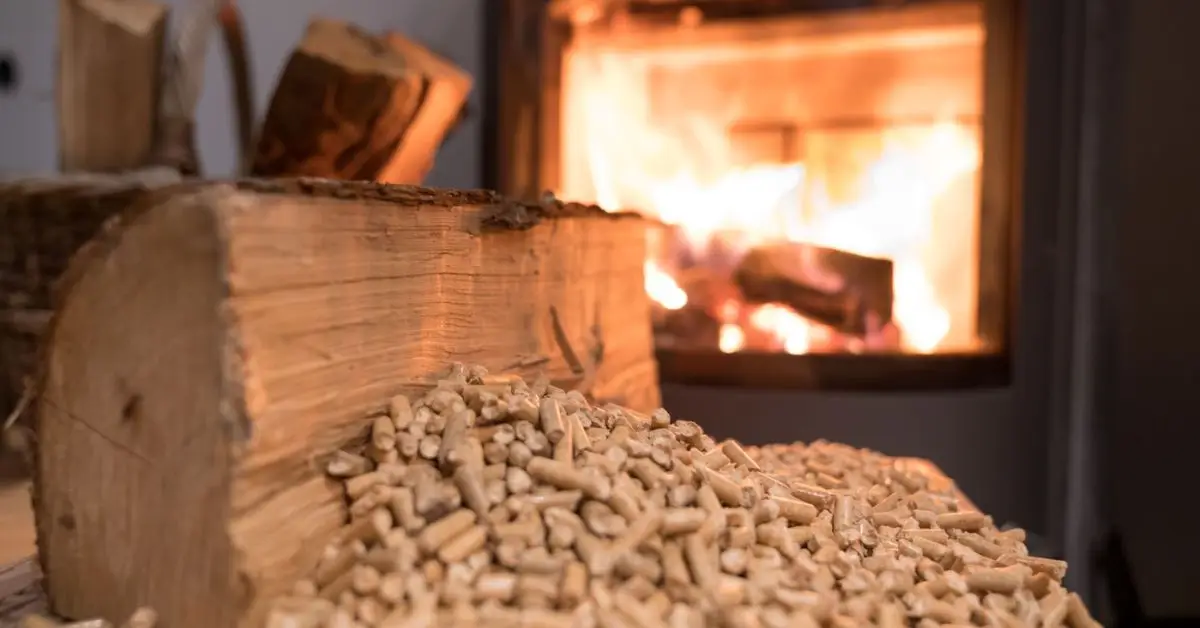
Investigators have not confirmed the exact cause of the fire yet, but one detail from the scene is raising questions.
Fire officials said the family had experienced an issue with their pellet stove the night before the blaze. That doesn’t automatically mean the stove started the fire, but it’s one of the first things being examined.
Another clue stood out to firefighters at the scene. They noticed a hole in the floor beneath the stove, which suggested the flames may have been coming up from the basement.
If that’s what happened, it shows how quietly a fire can develop below the living space before anyone upstairs realizes the danger. Basement fires are particularly risky because smoke and heat travel upward quickly through floors and walls.
When I look at cases like this, I think about something simple you should keep in mind: never ignore unusual problems with heating equipment. What feels like a small issue one night can sometimes become a serious fire risk by morning.
Roof Collapses Within 20 Minutes of Firefighters Arriving
By the time firefighters reached the house, the fire had already gained serious momentum. Situations like this move fast, and sometimes there’s very little anyone can do to stop the damage once flames take hold of the structure.
According to reporting from WCAX News, the roof of the two-story home collapsed roughly twenty minutes after crews arrived at the scene. That kind of structural failure usually means the fire had already weakened key support areas inside the building.
When flames burn through floors, beams, or attic spaces, the structure can quickly become unstable. At that point, firefighters have to focus more on containment and safety rather than trying to save the building.
In this case, the home was ultimately considered a total loss. Sadly, not every house fire ends without injuries. In a more tragic incident, two people died after a house fire broke out in San Marcos. Even with a quick response, the fire spread too aggressively for the structure to be saved.
If you’ve ever wondered how fast a house fire can destroy a home, this is a clear example. What begins as smoke in the early morning can turn into a full structural collapse in less than half an hour.
Multiple Fire Departments Respond to Wells River Blaze
When a fire of this size breaks out in a small community, it usually takes more than one department to control it. That’s exactly what happened in Wells River.
Firefighters from several nearby Vermont towns responded to help battle the blaze. Large residential fires often require coordinated responses from several departments. In another recent incident, six residents were displaced after a house fire in Athens, Tennessee, forcing emergency crews to respond quickly to protect nearby homes. Crews arrived from Groton, Newbury, Ryegate, and Woodsville to support the Wells River Fire Department.
This kind of regional cooperation is common in rural areas. Similar multi-department responses were also seen during a Santa Barbara house fire that drew multiple fire crews to contain the blaze and protect surrounding structures. No single department always has enough personnel or equipment for a large structure fire, so neighboring departments step in quickly when needed.
The fire also created hazards beyond the house itself. Power lines were brought down during the blaze, and the collapse of a chimney sent bricks scattering across the roadway.
Because of these dangers, a section of Route 302 had to be closed early Monday morning while firefighters worked to control the flames and secure the scene. Traffic was eventually allowed to move through one lane once the immediate risk was reduced.
Excavator Used to Clear Remains of the Home
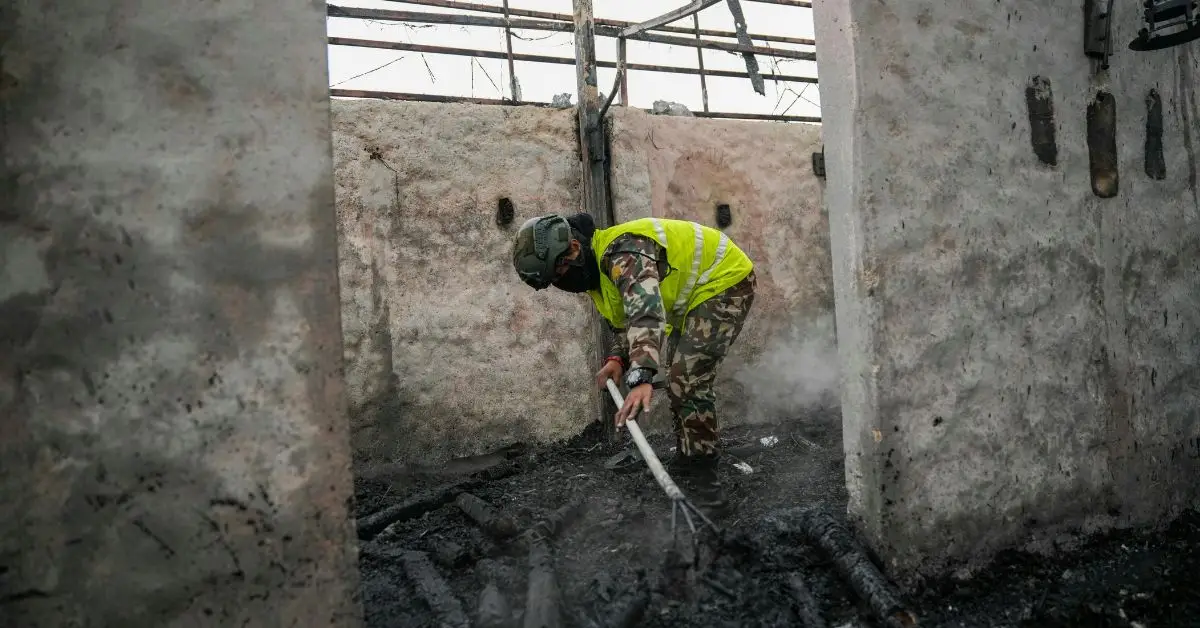
Once the flames were under control, the scene in Wells River shifted from firefighting to cleanup. By mid-morning, heavy equipment had been brought in to deal with what was left of the structure.
An excavator was used to pull down unstable sections of the house and clear debris. After a fire this intense, parts of the building can remain dangerously weak, and demolition helps prevent sudden collapses that could injure firefighters or investigators.
Even after the main flames are gone, the job isn’t really finished. Fire crews typically stay at the scene for hours to monitor what are known as “hot spots.” These are hidden pockets of heat buried under debris that can flare back up if left unattended.
For anyone watching from the outside, it might look like the fire is over once the flames disappear. In reality, firefighters often remain on site throughout the day to make sure the area is fully secure.
Heating Equipment Is a Leading Cause of Home Fires
When investigators begin examining house fires, heating equipment often becomes a major focus. Many homes rely on pellet stoves, wood stoves, or similar heating systems, especially in colder regions.
These systems can be safe when properly maintained, but they also carry risks if something goes wrong. A blocked vent, mechanical failure, or buildup of combustible materials can create conditions where a fire starts quietly and spreads before anyone notices.
Data from the National Fire Protection Association shows that heating equipment remains one of the leading causes of residential fires in the United States.
Pellet stoves and wood stoves require regular cleaning, inspection, and proper installation to operate safely. Even small issues — like damaged flooring, poor ventilation, or debris buildup — can increase fire risk over time.
Another concern involves heat sources located in basements. Fires that start below the main living area can spread upward through floors and walls, allowing smoke and flames to reach upper rooms quickly.
Indicators Homeowners Should Never Ignore
When I look at house fires involving heating systems, there’s usually one detail that stands out later — there were warning signs beforehand. The problem is that many of those signs are easy to overlook when you’re busy with daily life.
One of the most common indicators is the smell of smoke or unusual heat around a stove or heating unit. If you notice a burning smell, excessive warmth near the floor, or heat spreading to areas where it normally shouldn’t, that’s something you shouldn’t ignore.
Another red flag is structural damage near heating appliances. Cracks in the floor, dark marks on nearby surfaces, or unusual gaps around the stove area can sometimes signal heat damage developing over time. These signs may seem minor, but they can indicate that something underneath or behind the structure is overheating.
Smoke alarms activating unexpectedly can also point to hidden issues. Sometimes people assume it’s just a faulty detector or a temporary disturbance. But repeated alarms can be a signal that smoke or heat is building somewhere you cannot immediately see.
Emergency Steps That Save Lives
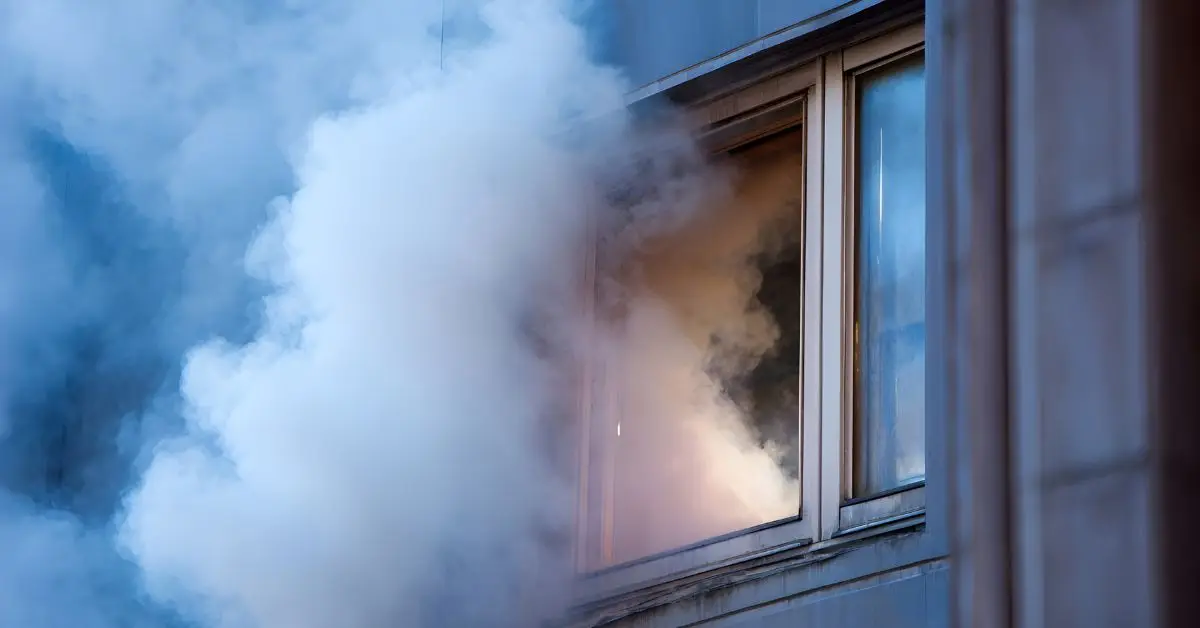
Nighttime fires are among the most dangerous because people are usually asleep when they begin. If a fire breaks out during the early hours of the morning, the way you respond in the first moments can determine whether everyone gets out safely.
The first priority is waking everyone in the house immediately. Smoke spreads quickly, and people in deeper sleep — especially children — may not wake up right away. Calling out loudly and making sure every room is alerted can save critical seconds.
Once everyone is awake, the next step is simple but urgent: leave the house as quickly as possible and call emergency services from outside. Fires can grow much faster than most people expect, and trying to gather belongings or investigate the source can delay your escape.
One mistake firefighters warn about often is going back inside. Even if you think you left something important behind, returning to a burning structure can be extremely dangerous. Conditions inside a house fire change rapidly, and smoke alone can make breathing impossible within minutes.
Preventing Heating-Related House Fires
When stories like the Wells River fire surface, most news coverage stops at what happened. But if you own a home with a pellet stove or similar heating system, the more important question is how something like this can be prevented.
Heating appliances can work safely for years when they are properly installed and maintained. But when maintenance slips or equipment develops problems, the risk increases quickly.
Safety guidance from the U.S. Fire Administration shows that regular inspections and proper installation are some of the most effective ways to reduce heating-related fire risks.
One of the most important habits is scheduling annual inspections and cleaning. Pellet stoves collect ash, debris, and buildup over time. If these materials accumulate in vents or internal parts, they can create dangerous heat conditions.
Installation also matters more than many homeowners realize. A pellet stove must be installed with proper ventilation and safe clearances so that heat and exhaust gases move out of the home efficiently.
Another basic but critical step is keeping flammable materials away from heating equipment. Furniture, rugs, papers, or storage boxes placed too close to a stove can ignite if heat builds up over time.
If you rely on pellet or wood heating during colder months, these small precautions can make a major difference in preventing fires.
Lessons for Homeowners and Communities
When I look back at the Wells River house fire, a few clear lessons stand out.
First, early evacuation saved lives. The family woke up in time, recognized the danger, and got out quickly. Those early moments are often the difference between survival and tragedy during a house fire.
Second, heating systems need careful monitoring. Even small problems with stoves or heating equipment should never be ignored. Addressing issues early can prevent them from turning into serious hazards.
Third, the quick response from multiple fire departments helped contain the situation and protect surrounding areas. In smaller communities especially, cooperation between nearby departments plays a major role during large emergencies.
Stories like this are reminders that fires can start unexpectedly, but preparation and awareness can reduce the risks.
If you’ve ever experienced a house fire scare, or if you use pellet or wood heating in your home, I’d genuinely like to hear your experience. What safety steps do you take in your home to prevent fires? Share your thoughts in the comments — your advice might help someone else stay safe.
And if you want more practical home safety guides, renovation insights, and real-world home improvement advice, you can explore more resources on Build Like New.
Disclaimer: This article is based on publicly available reports and official statements at the time of publication. Details about the Wells River fire may change as investigators continue reviewing the incident. Readers should rely on local authorities and emergency officials for the most up-to-date information.