Maplewood Home Fire Rescue Saves Four Dogs Just in Time
I still can’t get the image out of my head: four dogs trapped in a burning Maplewood home, and firefighters rushing in without hesitation to save them. I’ve followed plenty of fire rescues in my years covering stories, but there’s something about this one that hits differently.
You feel the heat, the urgency, and the stakes—not just for the animals, but for the people risking everything to bring them out safely. This wasn’t just another house fire; it was a moment that reminded all of us why bravery and quick action matter, and why every life, even a furry one, counts.
What Happened During the Maplewood House Fire
When I first heard about the Maplewood house fire, I knew it was serious. A second-alarm fire had erupted in a wood-frame home, built around the turn of the century, and the flames were spreading fast. I kept thinking about the family—thankfully, no one was home—but my attention kept turning to the four dogs trapped inside.
Firefighters arrived quickly, battling heavy smoke and intense heat. Two of them were injured during the operation, a reminder of just how dangerous every second in a fire can be. By the time the first dogs were pulled out, the home was already considered a total loss. You can read more about the timeline and official details of the rescue on FOX2 Now, but what struck me most was the sheer speed and coordination it took to save lives under such extreme conditions.
How Firefighters Saved All Four Dogs
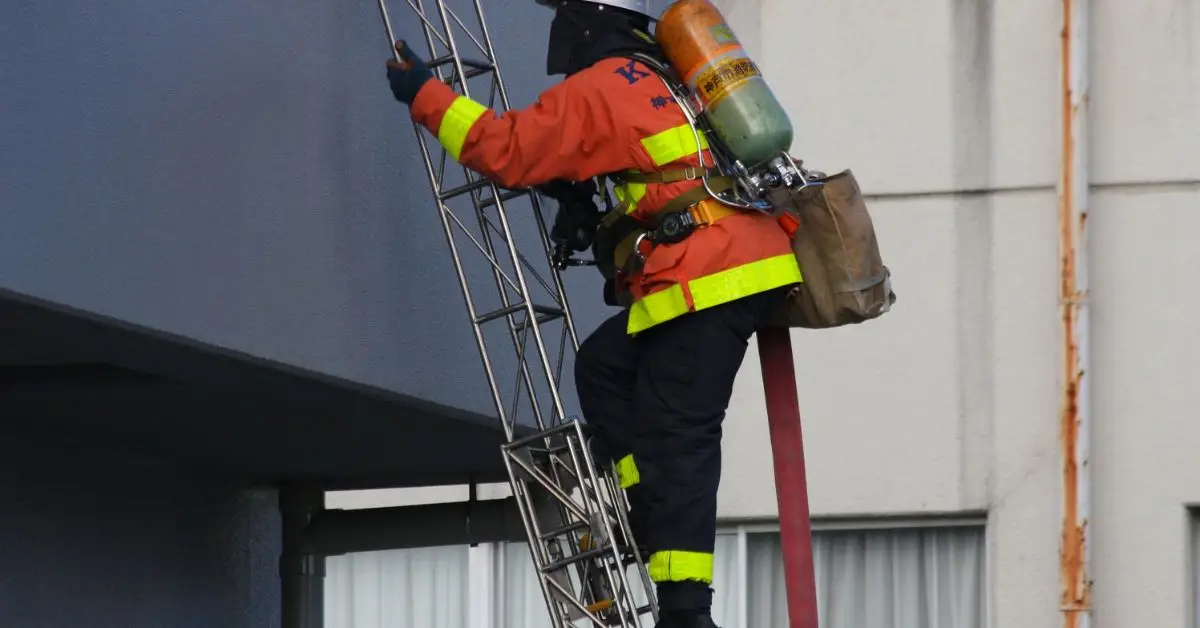
Here’s where the story really hits me. Firefighters didn’t just stop after saving the first three dogs—they went back into the smoke and heat to rescue the fourth. That’s courage you don’t read about every day. Fire Chief Peter Marsac said, “We made every effort to try and rescue those dogs as safely as possible without jeopardizing firefighters’ lives.” And yet, they didn’t hesitate.
I can’t help but picture the scene: smoke so thick you can barely see, flames roaring above, and a team moving with purpose to reach the pets. It’s that kind of bravery that makes you pause and think about what we sometimes take for granted—both our first responders and the small lives they fight to protect. For anyone reading this, it’s a vivid reminder that heroism often comes in moments measured by seconds, not minutes.
Living Through the Fire
I spent a few minutes imagining what it must have felt like for Mindy Kinnaman, the homeowner. After 30 years in that house, losing it to fire is devastating. But her relief over the dogs’ safety was clear: “Luckily, the fire department was able to get out all of the dogs, which was amazing,” she said. You can almost feel the mixture of gratitude and heartbreak in her words.
Mayor Barry Greenberg added another layer to the story, talking about the neighborhood’s older, wood-frame homes and the safety risks they carry. As I read his comments, it hit me how this isn’t just one house or one family—it’s a whole community that’s vulnerable, and how first responders are constantly putting themselves in harm’s way to protect it. For anyone following this story, it’s a reminder that material loss pales in comparison to lives—human and animal—saved.
Lessons From the Maplewood House Fire
Reading about this fire made me think about how easily these tragedies could happen to any of us, especially in older, wood-frame homes. Fire safety isn’t just a checklist—it’s a habit. Local fire departments recommend having working smoke alarms on every floor, a clear evacuation plan, and fire extinguishers accessible in key areas. Fires can be devastating, just like the Carmel Valley house fire that damaged a home, reminding us how quickly situations can escalate.
I also noticed fire experts discussing the incident on social media, highlighting how even seconds can make a difference. For practical guidance and statistics on protecting older homes from fire risks, you can check out FEMA’s advice for older adults. Personally, it made me rethink my own home and what I’d do to protect both family and pets.
I also keep a few handy safety checklists and alerts on WhatsApp—it’s a simple way to stay updated on local fire incidents and practical tips in real time.
Protecting Pets in Fire Emergencies
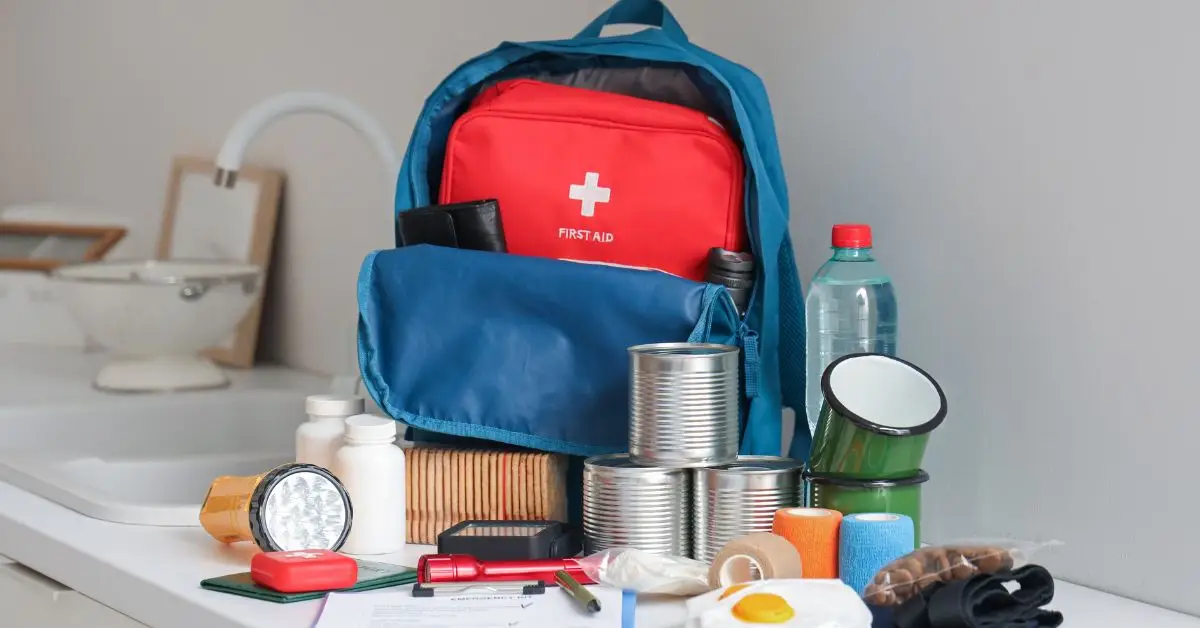
If there’s one thing I keep thinking about from the Maplewood fire, it’s how vulnerable pets can be in emergencies. Those four dogs had no way out without the firefighters, and that’s a wake-up call for all of us. I’ve started thinking seriously about evacuation plans for my own pets—having leashes, carriers, and a small emergency kit ready can make all the difference. Microchipping pets is another safeguard; it’s one of those simple steps that can prevent heartbreak if an animal gets lost in chaos.
For more tips on keeping pets safe during home emergencies, the ASPCA has a detailed guide you can explore here: ASPCA Pet Disaster Preparedness. Honestly, reading their recommendations makes you realize how quickly you need to act and how small preparations can save lives.
Similar emergencies have displaced families before, such as the Wells River house fire that affected a family of three, showing why preparation matters.
Ongoing Fire Investigation and Recovery Efforts
The Maplewood fire is still under investigation, and I’ve been following updates closely. Fire officials haven’t confirmed the exact cause yet, but they’re looking into every detail of how the fire started and spread. For homeowners facing similar disasters, understanding insurance options and local support resources becomes critical.
I reached out to some local recovery resources while researching, and it reminded me how much community networks matter in times like this. Even if your home isn’t directly affected, being aware of support channels, insurance guidance, and safety programs can make a huge difference when seconds count.
These events aren’t isolated—like the Fairfax County home fire that sent a resident to the hospital, it highlights the importance of local support and understanding insurance options.
How You Can Prepare and Help
After reading about the Maplewood fire, I can’t help but think about what you and I can do to be ready for emergencies. Start with a simple fire preparedness checklist: working smoke alarms, clear escape routes, and accessible fire extinguishers. Don’t forget your pets—make sure they have carriers, leashes, and an emergency kit ready.
You can also support local fire and rescue units through donations or volunteering. Sharing your own preparedness tips on social media can raise awareness and inspire others to act before it’s too late. Every small step counts, and it’s something we can all do today to make a real difference.
Conclusion
Reading this story, I was reminded how much courage, planning, and quick action matters—whether it’s saving four dogs in a burning home or preparing your own house for unexpected emergencies. I hope this article inspires you to take fire safety seriously, protect your loved ones (furry or human), and support your local first responders.
I’d love to hear from you—how are you preparing your home and pets for emergencies? Share your thoughts in the comments below, and for more practical tips on home safety and disaster readiness, check out my website, Build Like New.
If you want more real-life tips, updates, and stories about home safety, you can follow me on X or join our community on Facebook.
Disclaimer: This article is for informational purposes only. Always follow guidance from local authorities, fire departments, and certified safety experts when preparing for emergencies.