Two People and Pet Left Homeless After Cottonwood House Fire
A quiet Wednesday morning in Cottonwood quickly turned into an emergency when a fire broke out inside the attic of a local home just before 9:30 a.m. Firefighters arrived to find flames burning in the attic and immediately began working to stop the fire from spreading.
Crews managed to bring the blaze under control quickly, and thankfully no one was injured. Still, the fire forced two residents and their pet out of their home and caused significant damage. Authorities are now working to determine what started the fire.
Stories like this always make you pause for a moment. A house fire can start suddenly, and in many cases people don’t realize what’s happening until smoke or flames are already visible. In this report, we’ll look at what happened in the Cottonwood house fire and what we can learn from it.
Firefighters Quickly Controlled the Attic Blaze
When firefighters reached the home, flames were already burning inside the attic. That’s a dangerous place for a fire to start because it can spread through the roof structure before anyone inside even realizes what’s happening.
Crews moved fast. Instead of letting the fire build, they launched an aggressive attack to contain it right away. By getting control early, firefighters were able to stop the blaze from spreading into other parts of the house.
If you’ve ever seen how quickly an attic fire can grow, you know why speed matters. Acting within those first minutes can make the difference between a damaged home and a complete loss.
Multiple Fire Agencies Responded

Several fire agencies worked together to handle the situation:
- Cottonwood Fire Protection District
- CAL FIRE Shasta-Trinity
- Shasta County Fire Department
- CAL FIRE Tehama-Glenn
Working as a coordinated team helped crews control the situation quickly. Multi-agency responses like this are common during residential fires in California, especially when additional equipment or personnel are needed. Updates about emergency responses and safety information are often shared by CAL FIRE.
Two Residents and a Pet Forced Out of Their Home
Even though the fire was controlled quickly, the damage still forced two residents and their pet out of their home.
Pets are often the most vulnerable during house fires, and firefighters frequently risk their lives to save them — just like in this recent rescue where crews managed to save four dogs from a Maplewood house fire.
Situations like this are tough because the fire may be short, but the disruption to someone’s life can last much longer.
The good news is that no injuries were reported. Everyone made it out safely, which is always the most important outcome during any house fire.
Firefighters Prevented Potential Casualties
The fast response from firefighters likely prevented the situation from becoming much worse. Attic fires can spread rapidly through insulation and roof structures, sometimes reaching other rooms before people have time to react.
By stopping the blaze early, crews limited the damage and reduced the risk to nearby homes as well.
Quick firefighter action can mean the difference between life and death, as seen in another emergency where firefighters successfully rescued a woman trapped inside a burning home during a South County house fire rescue.
For residents in the area, it’s also a reminder of how quickly fire emergencies can develop — and why early detection and quick action matter so much.
Estimated Damage Reaches $75,000
Officials on the scene estimate that the attic fire caused about $75,000 worth of damage to the home.
Residential fires can escalate quickly and cause major structural damage, similar to what happened during a massive house fire in Far Rockaway, Queens where flames spread rapidly before crews brought the situation under control.
That’s not just a number — it reflects structural damage, smoke impacts, and the costly repairs families face after a fire.
Even fires that are contained quickly can create complicated cleanup and rebuilding processes. Things like smoke odors, damaged wiring, and compromised roofing all add up fast.
Cause of the Fire Still Under Investigation
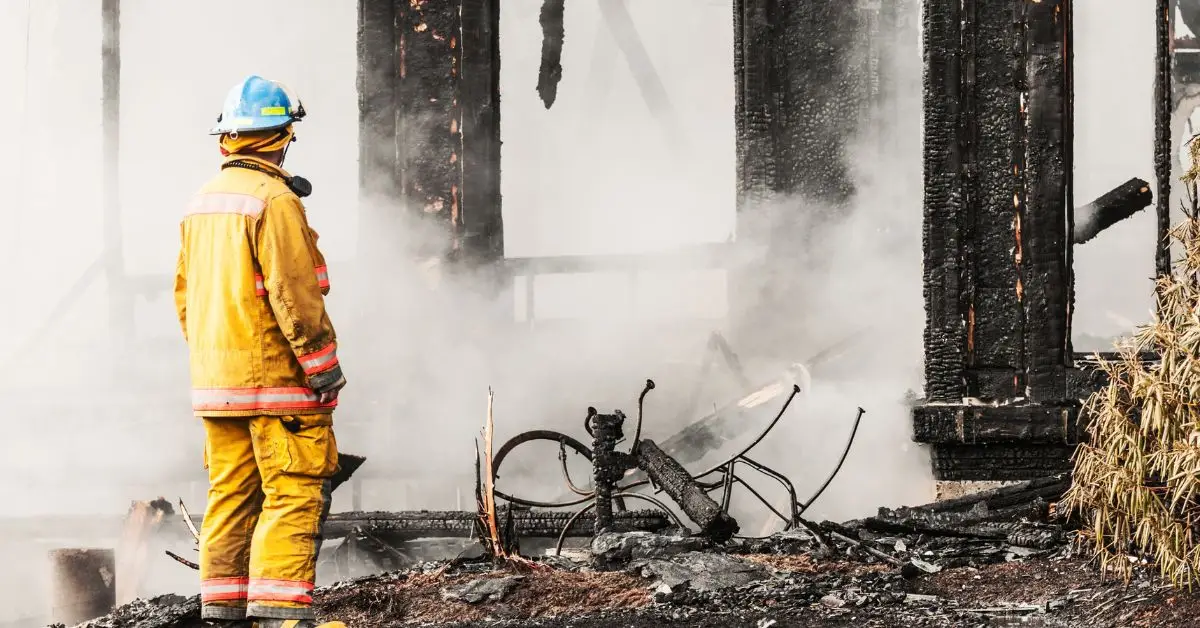
Right now, fire investigators from the Cottonwood Fire Protection District are looking into what sparked the blaze. As of the latest report, no official cause has been announced. In the early hours after a fire, it often takes technicians time to examine evidence, interview witnesses, and rule out possibilities before reaching a conclusion.
According to the original local news report on the incident at Action News Now, the cause remains unknown as the investigation continues.
If you like staying updated on developing fire incidents and home safety alerts, many readers now follow quick community updates through WhatsApp channels where new fire reports and safety reminders are shared regularly.
Common Causes of Attic Fires in Residential Homes
Attic fires start for a variety of reasons, and understanding these can help you think about your own home’s risks.
Electrical Issues in Attic Wiring
Old or faulty wiring can overheat and spark, especially if it’s handling more load than it was designed for. If you’ve ever noticed flickering lights or tripped breakers, it’s worth having an electrician take a look.
Faulty Insulation or Overheating Equipment
When insulation gets too hot — especially near heat-producing equipment — it can ignite. Attics that aren’t properly ventilated are more prone to trapping heat, which raises the risk.
Rodents Damaging Electrical Cables
It sounds odd, but rodents chewing through wires is a real cause of many residential fires. Exposed wires create shorts, which can lead to sparks and ignition.
Improperly Installed HVAC or Ventilation Systems
Heating and cooling systems that run through attics must be installed correctly. Poor installation can leave electrical connections exposed or ducts overheating, both of which are fire hazards.
A good resource for understanding common fire causes and prevention guidance is available from the National Fire Protection Association, which offers information on residential fire risks and safety practices.
Fire Safety Tips to Prevent Attic Fires
After reading about a house fire, the first thought many people have is simple: Could something like this happen in my home too? The truth is that many attic fires start from issues that build up quietly over time. A few simple checks can reduce that risk.
Schedule Regular Electrical Inspections
Electrical wiring in the attic often goes unnoticed for years. If you live in an older home, the wiring may be handling more appliances and devices than it was originally designed for.
It’s a good idea to have a licensed electrician inspect the system every few years. Catching worn wires, loose connections, or overloaded circuits early can prevent serious problems later.
Keep Attic Ventilation Clear
Attics can trap heat, especially during warmer months. Poor ventilation allows temperatures to build up around wiring, insulation, and equipment.
You should make sure vents are not blocked and air can move freely. Proper airflow helps reduce heat buildup and lowers the chance of materials overheating.
Install Smoke Detectors on Every Level
Many homeowners install smoke alarms in bedrooms and hallways but forget about other areas of the house. While detectors are rarely placed directly in attics, having them on every level of your home helps catch smoke quickly.
Early warning gives you precious time to react and get everyone out safely.
Avoid Storing Flammable Materials in Attics
Attics often become storage spaces for old boxes, paper, fabrics, and decorations. The problem is that these materials can fuel a fire if something sparks.
If you store items in the attic, try to keep them organized and away from electrical wiring, lights, or mechanical equipment.
What To Do If a House Fire Starts
In an emergency, the most important thing is knowing how to react quickly. Fires grow fast, and the first few minutes matter the most.
Evacuate Immediately and Call 911

If you notice smoke or flames, your priority should always be getting everyone out of the house. Don’t stop to gather belongings.
Once you are outside and safe, call emergency services right away so firefighters can respond as quickly as possible.
Avoid Trying to Fight Large Fires Yourself
A small fire might sometimes be controlled with a fire extinguisher, but attic fires are rarely small once they are visible.
If flames are spreading or smoke is filling the home, trying to fight the fire yourself can put you in serious danger. Leave the job to trained firefighters.
Meet Family Members at a Safe Location
Every household should have a meeting spot outside the home. This could be a tree, mailbox, or neighbor’s driveway.
When everyone knows where to go, you can quickly confirm that all family members and pets made it out safely. It’s a simple step, but during a stressful moment it can make a big difference.
Key Takeaways From the Cottonwood House Fire
If you step back and look at the incident, a few important points stand out.
- The fire started in the attic and was reported shortly before 9:30 a.m.
- Fire crews responded quickly and managed to contain the blaze before it spread further.
- Two residents and their pet were displaced, but thankfully no injuries were reported.
- The fire caused an estimated $75,000 in damage to the home.
- Officials are still investigating the cause of the attic fire.
Events like this remind us how quickly a normal day can turn into an emergency. Fires don’t always start with dramatic signs—sometimes they begin quietly in places like attics where people rarely look.
If you live in a house with an attic, it’s worth asking yourself a simple question: when was the last time you checked the wiring, ventilation, or equipment up there? Small precautions today can prevent serious damage tomorrow.
I’d also like to hear from you. Have you ever experienced a house fire or a close call at home? Share your experience in the comments—it could help someone else stay safe.
For more practical home safety tips, repair guides, and real-life homeowner advice, you can explore more resources on Build Like New.
If you like following real fire incidents, home safety insights, and homeowner tips, you can also stay connected with Build Like New on X and join discussions with other readers in the Build Like New Facebook community.
Disclaimer: This article is based on publicly available reports and official statements at the time of writing. Details about the incident may change as investigators release new information. The safety tips shared here are general guidance and should not replace advice from qualified professionals or local authorities.