House Fire in Champaign Leaves No One Hurt
Wednesday afternoon fires don’t usually make headlines unless something goes seriously wrong. This one didn’t — and that’s the part worth paying attention to.
Just before 2 p.m., firefighters in Champaign were called to a single-family home near East Beardsley Avenue and North 5th Street after smoke was spotted coming from the back of the house. By the time crews arrived, smoke was already pushing out and a fire was building inside. Thankfully, firefighters moved fast and kept the flames contained to the rear of the home before the situation could get worse.
What stands out here is simple but important: no one was inside the house when the fire started, and no injuries were reported. Situations like this can turn dangerous in minutes, so the outcome could have been very different.
Officials say the cause of the fire is still under investigation. That means investigators will now look closely at what started it and how it spread.
But incidents like this also raise a bigger question for you and me: how easily could something similar happen in our own homes — and would we be ready if it did?
Champaign Fire Department Response
When I looked at the details of this incident, one thing became clear — the speed of the response played a big role in keeping the situation under control.
Emergency Call and Dispatch Timing
Fire crews were dispatched just before 2 p.m. after reports came in about smoke at a home near East Beardsley Avenue and North 5th Street.
If you imagine the situation for a moment, those first minutes are critical. Dispatchers gather information quickly and firefighters head out immediately because a small fire can grow into a serious structure fire in a very short time.
Firefighters Contain the Fire Before It Spreads
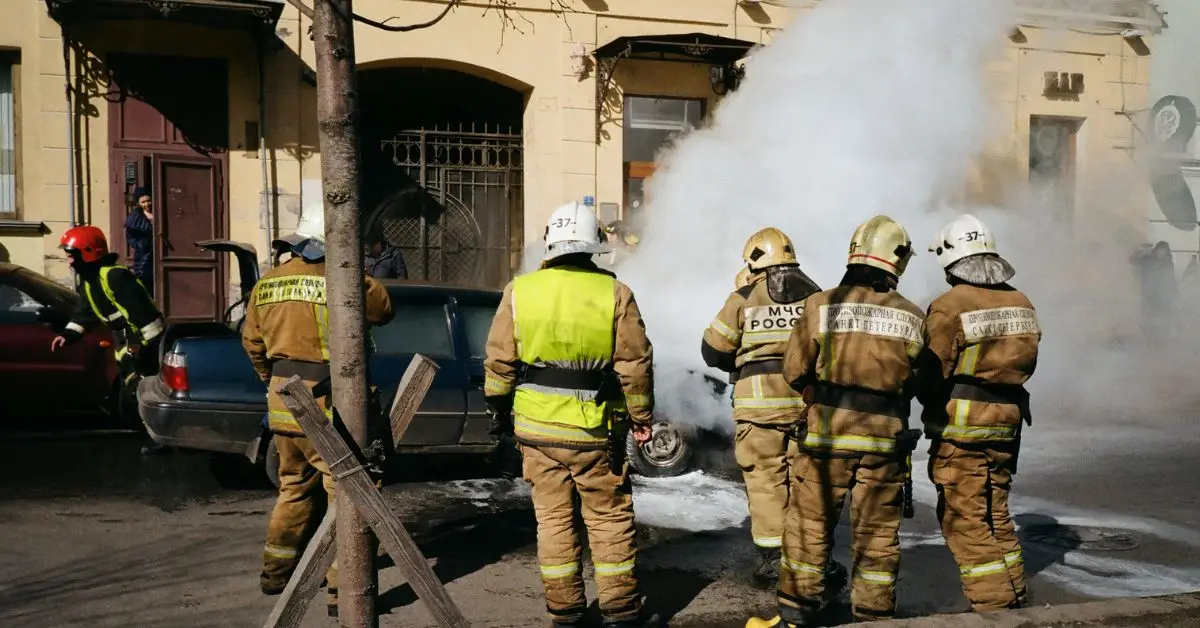
When crews arrived, they found smoke coming from the back of the house and a fire building inside the structure.
Firefighters focused on stopping the flames from spreading to the rest of the home. According to reporting by WAND News, crews were able to keep the fire contained to the rear part of the house before it moved through the entire structure.
That kind of containment is often what prevents a house fire from turning into a total loss.
Current Status of the Property
The fire was extinguished quickly once crews began working inside the home.
Right now, the damage appears limited to one section of the property rather than the entire house. When firefighters manage to stop a fire before it spreads room-to-room, it usually means the home can potentially be repaired instead of completely rebuilt.
No Injuries Reported in Champaign House Fire
For you and me, the most important update from this incident is actually the simplest one: nobody was hurt.
No Residents Were Inside the Home
Officials confirmed that the house was empty when the fire started.
That detail matters more than it might seem at first. Many residential fires become dangerous because people are inside the building and need to escape quickly. In this case, that risk simply wasn’t there.
Firefighters Confirm No Civilian or Crew Injuries
Authorities also confirmed that no residents and no firefighters were injured during the response.
When a fire is discovered early and contained quickly, it dramatically reduces the chances of injuries. Situations like this remind us how quickly things could go wrong if someone were inside or if the fire had spread further.
Incidents like this often turn far more dangerous when people are trapped inside — something firefighters recently faced during a South County house fire where firefighters rescued a woman from the burning home.
Cause of the Fire Still Under Investigation
Right now, the biggest unanswered question is simple: what actually started the fire?
Fire Officials Working to Determine Origin
Investigators are still examining the property to determine where and how the fire began. When firefighters put out a blaze, the next step usually involves checking burn patterns, electrical systems, and other possible ignition points.
This process takes time because officials need to be sure about the cause before sharing conclusions with the public. Investigations like this are common after major incidents, including the massive house fire that broke out in Far Rockaway, Queens, where officials also worked to determine the origin of the blaze.
Common Causes Investigators Typically Examine
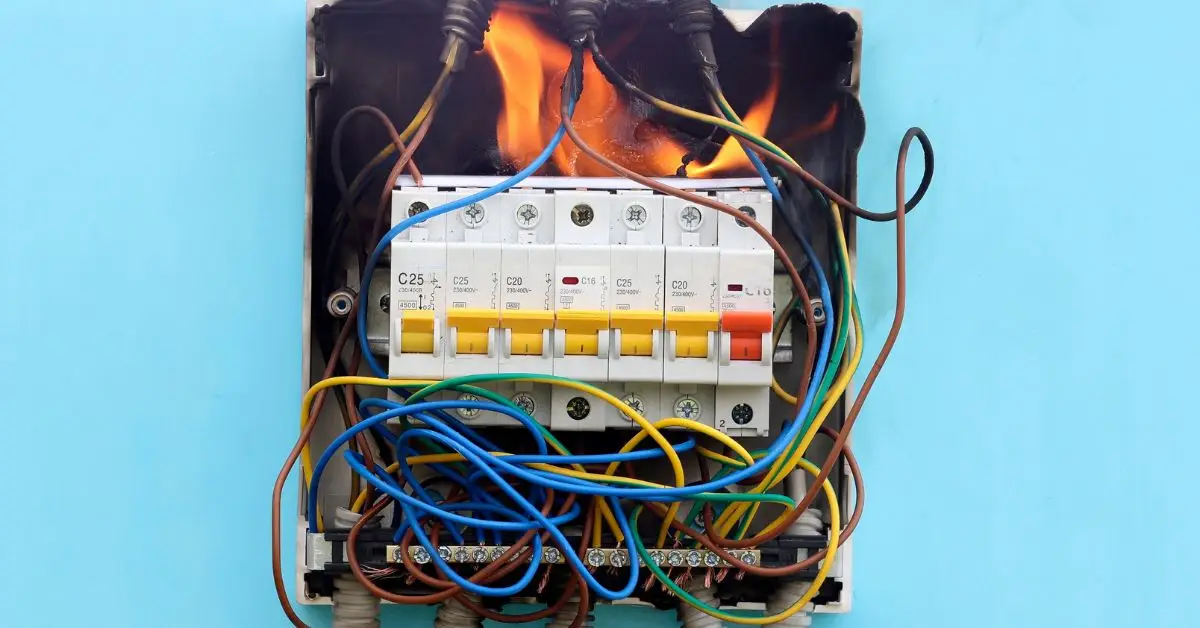
In most residential fire investigations, a few common possibilities are usually examined first.
- Electrical problems: Faulty wiring, overloaded outlets, or damaged appliances can sometimes spark fires, especially in older homes.
- Cooking incidents: Cooking-related fires are one of the most frequent causes of home fires when heat sources or unattended food ignite nearby materials.
- Heating equipment issues: Space heaters, furnaces, and other heating equipment can also become fire hazards if they malfunction or are placed too close to flammable items.
According to research shared by National Fire Protection Association, cooking equipment remains one of the leading causes of residential fires in the United States, followed by heating equipment and electrical issues.
What Residents Can Learn From the Champaign House Fire
When I look at situations like this, I don’t just see a news story. I see a reminder of how quickly everyday homes can become fire scenes. In some cases, these incidents turn into dramatic rescue operations — like the Maplewood house fire where firefighters managed to save four trapped dogs, highlighting how critical fast response can be.
Why Early Fire Detection Is Critical
Early detection is often the difference between a small incident and a major disaster.
Smoke alarms give you precious minutes to react. If a fire starts while you’re sleeping or in another room, that alarm can be the first warning that something is wrong.
Without that early signal, fires can grow silently before anyone notices. For readers who like staying updated on real home safety incidents and fire reports like this one, regular updates are also shared through this WhatsApp channel covering home safety alerts and fire incidents
How Quick Fire Department Response Prevents Larger Damage
Another key lesson here is how important fast emergency response can be.
In this case, firefighters managed to contain the fire to the back of the house instead of letting it spread throughout the entire structure. Firefighters often focus first on containment, which means stopping flames from moving to other rooms or nearby homes.
That strategy can significantly reduce property damage.
Why Being Away From Home Can Make Fires More Dangerous
Interestingly, fires that start in empty homes can sometimes go unnoticed longer.
If no one is inside, there may be no immediate signs that something is wrong. Flames can spread quietly until smoke becomes visible to neighbors or passersby.
That’s why prevention and early detection systems matter even when you’re not at home.
And when you think about it, the real question becomes: if something similar started in your home today, would you know about it in time to stop it?
Fire Safety Tips for Homeowners
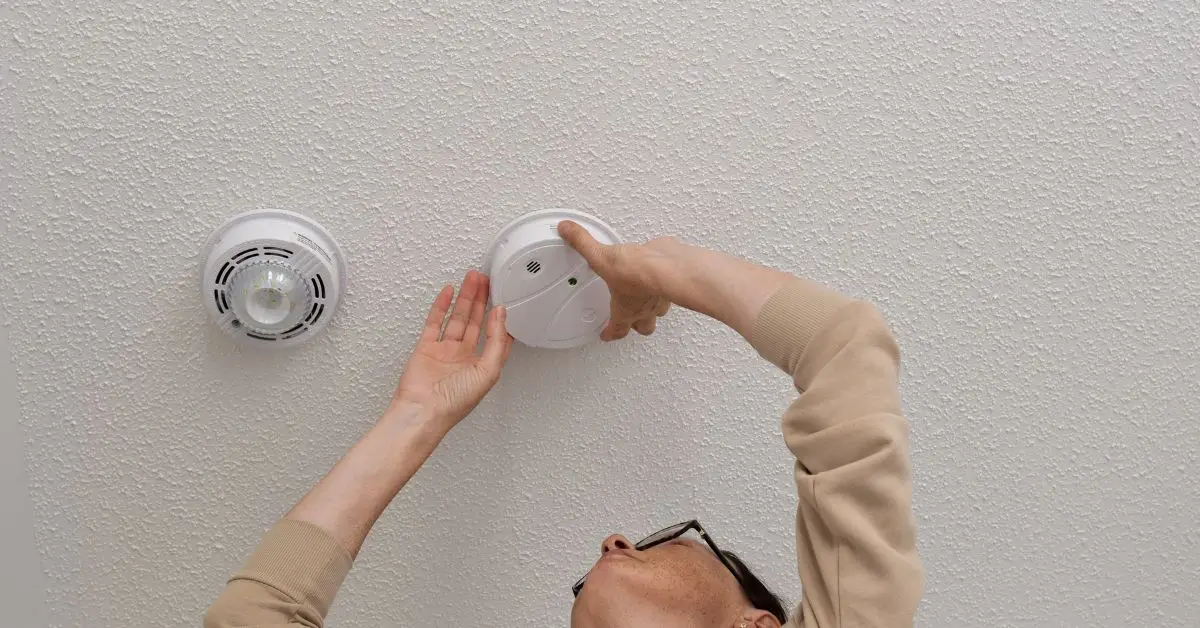
When a house fire happens in your community, it naturally makes you think about your own home. I always tell people the same thing: small precautions today can prevent serious damage tomorrow.
Install and Maintain Smoke Alarms
Smoke alarms are one of the simplest and most effective safety tools you can have at home.
You should install alarms in key areas like bedrooms, hallways, and living spaces. Testing them regularly and replacing batteries when needed ensures they work when it matters most.
Fire safety experts at U.S. Fire Administration recommend checking smoke alarms at least once a month and replacing them every 10 years.
Check Electrical Wiring and Appliances Regularly
Electrical problems are a common cause of residential fires.
If you notice flickering lights, overheating outlets, or damaged cords, it’s worth addressing them immediately. Regularly checking appliances and avoiding overloaded power strips can reduce the risk of electrical fires.
Create a Family Fire Escape Plan
A fire escape plan is something many households forget about until it’s too late.
Think about two exit routes from each room and decide on a safe meeting spot outside the house. Practicing the plan once or twice a year can help everyone react quickly if a real emergency happens.
Keep Fire Extinguishers Accessible
Having a fire extinguisher nearby can make a big difference in the early stages of a small fire.
Kitchens, garages, and workshops are good places to keep them. Just as important as owning one is knowing how to use it properly.
How to Report a Fire Emergency in Champaign
If you ever notice signs of a fire, your response in the first few minutes can help protect lives and property.
Emergency Contact Procedures
In Champaign, the fastest way to report a fire emergency is by calling 911. Emergency operators are trained to gather details quickly and dispatch fire crews immediately.
When you call, try to provide clear information such as the address, visible smoke or flames, and whether anyone may still be inside the building.
When to Call 911 Immediately
You should call emergency services right away if you notice:
- Smoke coming from a building
- Visible flames or burning smells
- Explosions or sudden electrical sparks
- Fire alarms sounding with visible smoke
Even if you’re unsure about the situation, it’s always safer to alert emergency services early.
Importance of Fast Reporting
Fires can double in size within minutes.
When neighbors or witnesses report smoke quickly, firefighters have a better chance of containing the fire before it spreads to nearby homes or buildings. In many cases, early reporting is exactly what prevents a small fire from turning into a major disaster.
And if you ever see something unusual — smoke, sparks, or flames — don’t assume someone else has already called. Your quick action could make all the difference.
Final Thoughts on the Champaign House Fire
Stories like this remind me how quickly an ordinary day can turn into an emergency. One moment a home looks completely normal, and the next firefighters are rushing in to stop flames from spreading.
In this Champaign incident, the outcome could have been much worse. The house was empty, firefighters responded quickly, and the fire was contained before it could spread through the entire structure. Most importantly, no one was injured.
But if you think about it, situations like this are also a wake-up call for all of us. Fires often start from everyday things—electrical issues, heating equipment, or simple accidents that happen in seconds. The difference between a close call and a tragedy often comes down to preparation, early detection, and fast response.
So it’s worth asking yourself a simple question today: Would you know what to do if a fire started in your home right now?
If you found this update helpful, I’d love to hear your thoughts. Have you ever experienced a house fire or a close call? Share your experience or safety tips in the comments—your story could help someone else stay safe.
And if you want more practical home safety advice, repair tips, and guides on protecting and improving your property, you can always explore more resources on Build Like New.
If you want to stay informed about similar home safety stories and fire incidents, you can also follow updates shared on X and join the conversation in the Build Like New Facebook community, where readers regularly discuss safety tips and real incidents.
Disclaimer: This article is based on publicly available reports and official statements at the time of publication. Details about the incident may change as authorities continue their investigation. For official updates, readers should refer to local authorities or emergency services.