Home Fire in Chevy Chase Claims Life of Woman Attempting Pet Rescue
I still can’t get the image out of my mind — a Chevy Chase home engulfed in flames, and a woman running back inside to save her cat. It’s the kind of story that stops you cold, not just because of the tragedy, but because it’s so painfully relatable. I’ve been reading through every report, tweet, and neighbor’s account, and what hits me most is how quickly a normal morning can turn into a life-altering disaster.
You might think, “It won’t happen to me,” but fires don’t give warnings, and pets often become the ones we risk everything for. In this article, I want to walk you through exactly what happened that morning, what the investigation says, and, most importantly, what we can all learn from it — because understanding this could make the difference between life and death in our own homes.
What Happened in the Chevy Chase Fire
I remember reading that morning’s calls, and it hit me how quickly things escalated. Early on Friday, neighbors noticed smoke and dialed 911. By the time firefighters arrived around 5:45 a.m., the house was already fully engulfed — flames on every floor, including the basement. Everyone thought the occupants were out, but sadly, that wasn’t the case. The woman who had evacuated ran back inside, trying to rescue her cat, and that decision cost her life.
It’s hard not to feel a pang of empathy here. The woman tragically died inside the home. A man who had also been in the house suffered smoke inhalation but is expected to recover. Even a firefighter was injured, though thankfully non-life-threatening. These details remind us how unpredictable and dangerous fires can be, even for trained professionals.
How Firefighters Responded
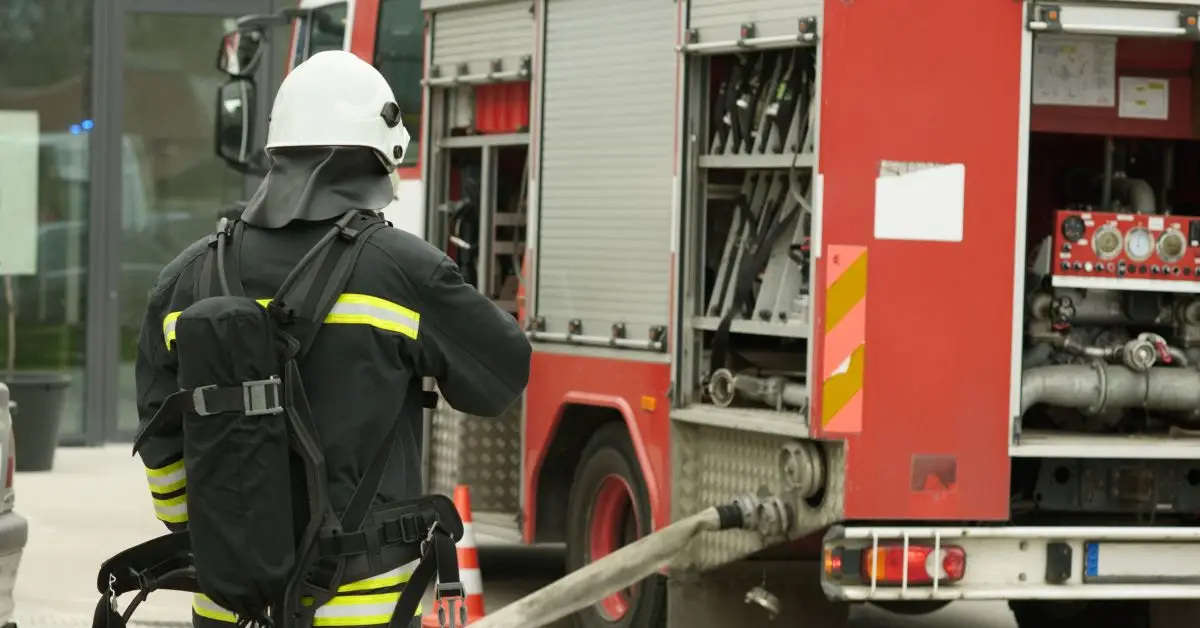
You might not realize it, but tackling a fire like this is far from straightforward. About 80 firefighters responded, including a hazmat team because of damaged lithium batteries in the garage. I can’t imagine the pressure they faced — one wrong move could have made the situation far worse.
From what I’ve seen in the reports, investigators believe the fire started in the basement, likely accidentally. Shockingly, there weren’t working smoke alarms inside, which is a wake-up call for all of us. Fires can flare up hours after they seem extinguished, as seen in incidents like the one in Bedford County, reminding us how careful we must be even after leaving the house. You can read more about how smoke alarms save lives on the National Fire Protection Association’s site. It’s worth checking out because it might just make you rethink your own home’s setup.
Emotional Impact on Family and Neighbors
Reading about the family hit me hard. The house belonged to a brother and sister, and neighbors described them as “very nice people.” I can’t stop thinking about how devastating this must be for her brother, and how the whole community is grappling with the loss. People are offering support, but the grief is raw, and it makes me reflect on how fragile life can be in just a few minutes.
Safety Lessons for Neighbors
You know, these stories aren’t just tragic — they’re lessons. One glaring takeaway is the importance of working smoke alarms. If there had been alarms on every floor, this might have ended differently. And for pet owners, having an emergency plan for your animals is critical. Knowing exactly how to get them out safely can save lives — both yours and theirs.
How to Protect Pets During a Fire
I’ve learned the hard way from reading reports that pets often become the reason we take risks in a fire. You should have a go-bag ready for your pets, with essentials like food, leash, and carrier. And always keep your pets secured or in carriers — even a moment of chaos can be dangerous.
Expert Advice
Firefighters and animal safety organizations emphasize that pets are frequently injured or killed in home fires. According to local reporting from WTOP, incidents like the Chevy Chase fire remind us how quickly things can escalate when pets are involved. Having a plan, knowing exit routes, and practicing drills aren’t just suggestions — they’re lifesaving measures.
Preventing Home Fires in Chevy Chase and Beyond
Smoke Alarm Installation & Maintenance
I can’t stress this enough: working smoke alarms are one of the simplest ways to protect your home. You should test your smoke alarms at least once a month, and replace the batteries whenever they’re weak. Also, make sure alarms are installed on every floor of your home — including the basement and near sleeping areas. This isn’t just “nice to have” — it’s something that literally gives you extra seconds or minutes to escape.
Common Fire Hazards in Homes
Looking back at the Chevy Chase fire, I’m reminded how easily everyday things in our homes can turn dangerous. From overloaded outlets to lithium batteries in garages, there are risks hiding in plain sight. If you’re curious about less obvious risks — and want a solid checklist to walk through — The Zebra’s guide on fire hazards at home breaks down common causes and how to prevent them. That kind of practical detail helps you see hazards you might otherwise miss.
Creating a Fire Escape Plan

You’d be surprised how chaotic a fire situation can feel in real life. That’s why having a fire escape plan isn’t just about drawing arrows on paper. I always tell people to map your exit routes, include where your pets will go, and practice drills with everyone in the house. Know at least two ways out of every room, and set a clear meeting spot outside. Regular practice gives you muscle memory — and in a fire, that can save crucial seconds.
Many people have found it helpful to get real-time updates and tips on fire safety — you can receive quick reminders and safety insights through a WhatsApp channel focused on home preparedness.
Lessons from This Tragedy
Reading about the Chevy Chase fire made me reflect on what we can do right now to keep our homes and loved ones safe. First, check your smoke alarms — are they working on every floor? Next, review your fire escape plan, and make sure everyone in your household knows it, including how to safely evacuate pets. Sadly, home fire tragedies aren’t uncommon, like the recent Madison home fire where attempts to rescue loved ones ended in heartbreak, highlighting the importance of a well-prepared escape plan. Even small steps like these can make a real difference in an emergency.
It’s easy to focus on immediate fixes, but long-term planning is just as important. Think about fire-resistant building materials, routine electrical inspections, and staying connected with your community about safety issues. Understanding how fires develop, like the case in San Marcos where delayed action had serious consequences, can help us plan better and avoid similar tragedies. These habits might feel like extra effort, but they build a level of preparedness that pays off when you need it most.
I’d love to hear from you — what steps have you taken to make your home safer? Share your tips and experiences in the comments below. And if you want more practical, expert advice on building and maintaining safer homes, check out Build Like New for guides, checklists, and insights that actually help homeowners like you.
If you want to stay updated on home safety tips, fire prevention stories, and practical guides, follow me on X and join our Facebook community where homeowners share real experiences and advice.
Disclaimer: This article is for informational purposes only. It is based on publicly available reports and expert guidance. Always follow local fire safety regulations and consult professionals for specific advice regarding your home or pets.