Family Home Destroyed After Child Ignites Aerosol Can With Lighter
A late-night house fire in Mt. Iron left one family without a home after a child accidentally started a fire while playing with a lighter and an aerosol can.
According to the St. Louis County Sheriff’s Office, emergency crews responded to the home on Marble Avenue shortly after 10 p.m. Officials later said the fire began when a 10-year-old was playing with the lighter and spray can inside the house.
Everyone inside the home was eventually accounted for, though one homeowner was treated for smoke inhalation at the scene. The house itself was declared a total loss, and the American Red Cross was called in to assist the displaced family.
Officials Say a Child Was Playing With a Lighter and Aerosol Can
When officials reviewed what happened that night on Marble Avenue in Mt. Iron, the story they pieced together was painfully familiar. A 10-year-old child had been playing with a lighter and an aerosol can inside the house, and that small moment of curiosity triggered a blaze that quickly got out of control.
You might not realize how dangerous that mix can be until you see it in action. Pressurized cans can act like fuel when exposed to an open flame, and what starts as a brief spark can turn into a fast-moving fire. The initial news report from Bring Me The News confirmed that this combination was the likely cause of the fire.
Most of us have lighters around the house and might not think twice about them — until something goes wrong. That’s why understanding how everyday items can become hazards is so important for every parent and caregiver.
Family Escapes But Home Is Destroyed
At first, there was real concern for everyone inside. Initial reports suggested some occupants were unaccounted for, which is always the most frightening part of any residential fire.
Once first responders reached the scene, they were able to locate all residents and get them to safety. One homeowner did receive treatment at the scene for smoke inhalation, but thankfully there were no major injuries reported.
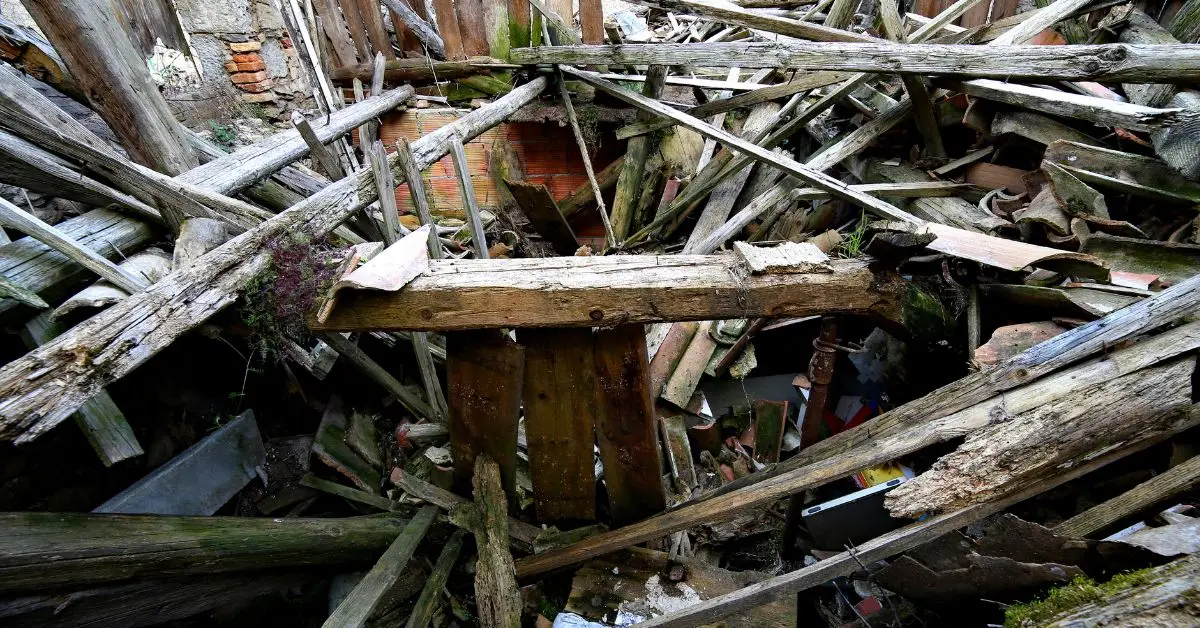
The house itself did not survive. Fires like this have been reported in other cities too. In a recent incident, a Champaign home fire was reported where residents managed to escape without injuries, highlighting how quickly residential fires can begin. Officials declared it a total loss, and with the family suddenly without a home, the American Red Cross was called in to provide support and immediate assistance. It’s a stark reminder of how quickly a single moment can change lives — and how important it is to be aware of the risks that lurk in everyday household items.
One Homeowner Treated for Smoke Inhalation
When firefighters reached the scene, their priority was getting everyone out safely. One of the homeowners was treated right there for smoke inhalation after breathing in heavy smoke as the fire spread.
Smoke inhalation can be surprisingly dangerous, even if the flames haven’t reached you. It can make it hard to breathe, cause irritation, and leave lingering issues if not addressed. In this case, though, all reported injuries were minor, and no one needed to be hospitalized — which is the best outcome you could hope for in a situation like this.
Moments like these remind you that the danger from a fire isn’t just the flames — it’s the smoke that spreads faster and can affect you before you even realize what’s happening.
How Aerosol Cans Turn Into Fire Hazards
At first glance, an aerosol can seems harmless — deodorant, hairspray, cleaning products. But when that pressurized can meets an open flame, things can go wrong instantly.
- Aerosols Contain Pressurized Flammable Gases: Many aerosol products use flammable propellants to push the spray out. That pressurized gas can act like fuel when it’s exposed to heat.
- Lighters Provide an Ignition Source: A lighter creates an open flame. That flame doesn’t need much to catch — especially when flammable gases are nearby. Once those gases ignite, fire can spread in an instant.
- Flames Can Spread Instantly: Because aerosol sprays disperse in tiny particles through the air, they can ignite over a wider area, making control difficult. Fire safety professionals note that this combination is one of the more unpredictable home fire risks.
For broader guidance on how everyday products can become fire hazards and how to keep your home safe, the U.S. Consumer Product Safety Commission maintains a helpful Fire Safety Information Center.
Common Household Items That Can Start Fires When Kids Play With Them
Most of the time, house fires involving children don’t begin with something exotic — they start with things most of us have in our homes every day.
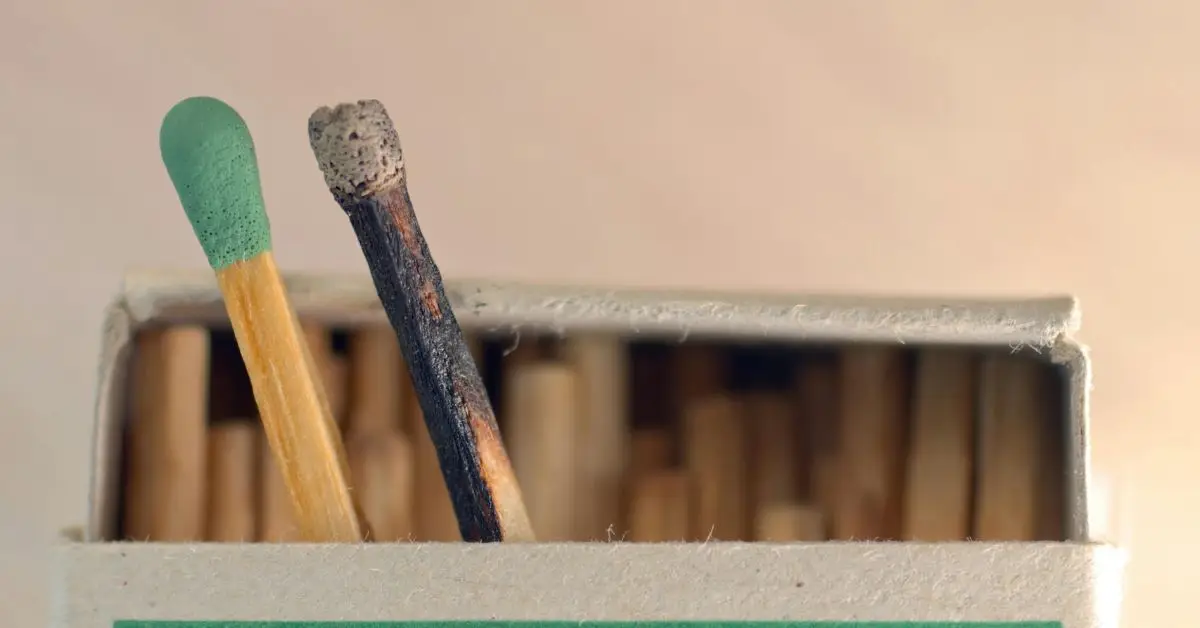
- Lighters and Matches: These are often the first tools kids find when they’re curious about fire. Without understanding the danger, they can experiment with them, thinking nothing will happen.
- Aerosol Sprays and Deodorant Cans: As you just read, aerosol cans can act like fuel when they’re near a flame. Kids might not know that, and a moment of curiosity can turn dangerous.
- Candles and Stoves: Open flames from candles and kitchen stoves are obvious fire sources, but under-supervised kids can still get too close or play with them.
- Electrical Devices: Chargers, cords, and small appliances can start fires if they’re damaged or misused. Children who poke at outlets or yank cords can unintentionally create sparks.
When you think about it, all of these are part of daily life — which is exactly why awareness and safe habits matter so much.
Fire Safety Tips Every Parent Should Know
When I read and think about incidents like this, one thing becomes clear: most house fires involving children happen because regular items were left within easy reach. But a few simple precautions can make your home much safer.
Incidents like this are discussed often in homeowner safety discussions and WhatsApp safety alerts where people share real cases of house fires and what families could have done differently.
Keep Lighters and Matches Out of Reach
If you have lighters, matches, or anything that can produce a flame, treat them like tools — not toys. Store them in a high cabinet or a locked drawer. Kids are naturally curious, and out of sight is often out of mind.
When you remove temptation, you remove risk.
Teach Children That Fire Is Not a Toy
You might think a quick “don’t touch” is enough — but kids don’t always understand danger the way adults do. I’ve found that talking honestly about why fire is dangerous helps kids respect it.
Have that conversation early. Explain what fire does, why it can hurt, and why playing with it can have serious consequences.
Install and Maintain Smoke Alarms
Smoke alarms are one of the simplest and most effective ways to protect your family. According to experts at the National Fire Protection Association, working smoke alarms can cut the risk of dying in a home fire nearly in half.
Make sure you:
- Install smoke alarms outside each sleeping area and on every level of your home
- Test alarms monthly
- Replace batteries at least once a year
- Replace the unit every 10 years
A properly functioning alarm can give you the seconds you need to get out safely.
Create a Family Fire Escape Plan
Many families never practice a fire escape plan — until it’s too late. Sit down with your family and:
- Identify two exits from every room
- Choose a meeting spot outside
- Practice your route together
When everyone knows what to do, panic has less chance of slowing you down.
What To Do If a Fire Starts in Your Home
Even with precautions, accidents can still happen. Here’s how to handle it if a fire starts:
Get Everyone Outside Immediately
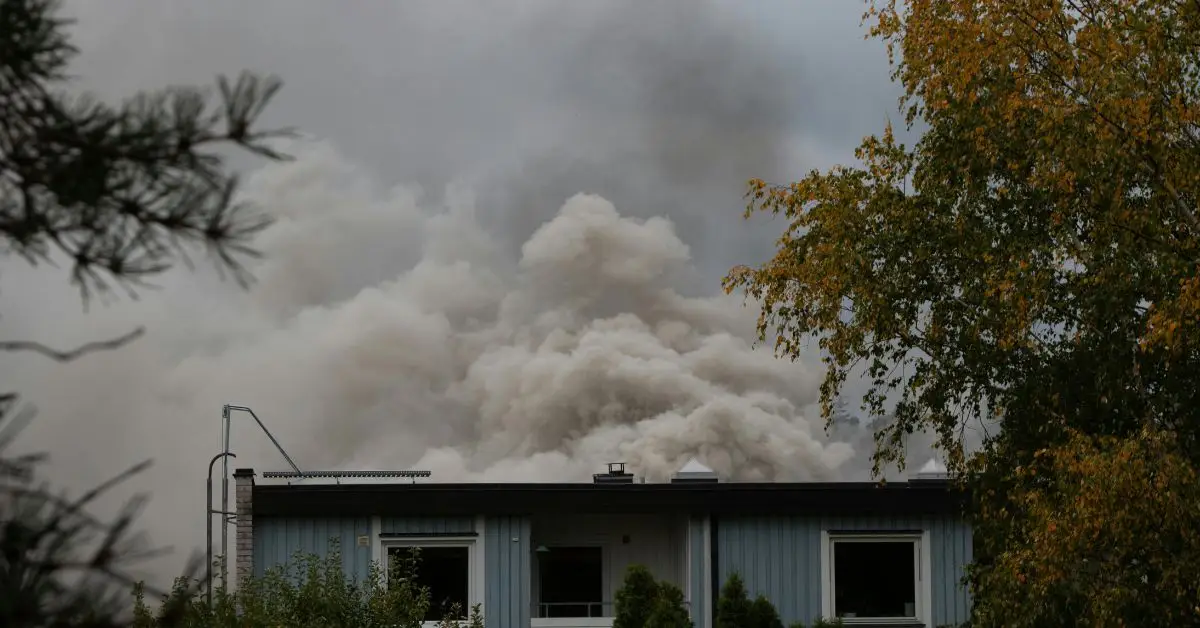
Your priority isn’t saving belongings — it’s getting people out alive. Fires grow fast, and smoke can overwhelm you before flames are visible. Quick action can save lives. In one situation, a teen and mother were hailed as heroes after rescuing a neighbor from a Long Island house fire, showing how important it is to react immediately during emergencies.
Move everyone outside right away and don’t go back inside.
Call Emergency Services
Once you’re safely out, call emergency services. Don’t assume someone else has already done it — that call gets help on the way faster.
Never Try to Fight a Large Fire Yourself
If the fire is more than a small flame you can safely control, don’t try to put it out yourself. Trying to fight a large fire can put you at serious risk.
Let trained firefighters take over — they have the gear, training, and experience to handle dangerous situations safely.
A Reminder for Parents About Fire Safety at Home
The fire in Mt. Iron is the kind of story no parent wants to imagine, yet it started with something many homes already have — a lighter and an aerosol can. In just a few moments, a child’s curiosity turned into a house fire that destroyed a family’s home.
If you’re a parent, this incident is a strong reminder of how important supervision and awareness really are. Kids don’t always understand the risks around them. What looks like simple curiosity to them can quickly become dangerous when fire is involved.
Taking small steps — storing lighters safely, talking to your children about fire safety, and keeping an eye on everyday household items — can make a huge difference in preventing accidents like this. Sadly, not every house fire ends safely. A devastating Lancaster house fire that killed three people in a two-alarm blaze shows how quickly residential fires can become deadly when flames spread before people have time to escape.
I’d love to hear your thoughts. Have you taken any fire safety steps in your home to keep your family safe? Share your experience or tips in the comments — your advice might help another family avoid a similar situation.
For more practical home safety tips, maintenance guides, and smart homeowner advice, you can also explore more resources at Build Like New.
If you’re interested in following more real home safety stories and lessons homeowners can learn from them, you can also stay connected through our updates on X and discussions in the Facebook community.
Disclaimer: This article is for informational and safety awareness purposes only. Details are based on publicly reported information, and readers should always follow guidance from local authorities and fire safety professionals for accurate advice.