Kalihi Abandoned House Fire Linked to Electrical Junction Box
I did not expect an abandoned home in Kalihi to catch fire like this, but that is what happened Monday morning. According to the Honolulu Fire Department, the blaze started from an electrical junction box in the basement, even though no one was living inside.
That is what makes this case important. The fire was not caused by human activity but by a hidden electrical issue that built up heat and ignited the structure.
It raises a simple but serious question for you. If an empty house can burn like this, what risks are we ignoring around us?
What Happened in the Kalihi House Fire
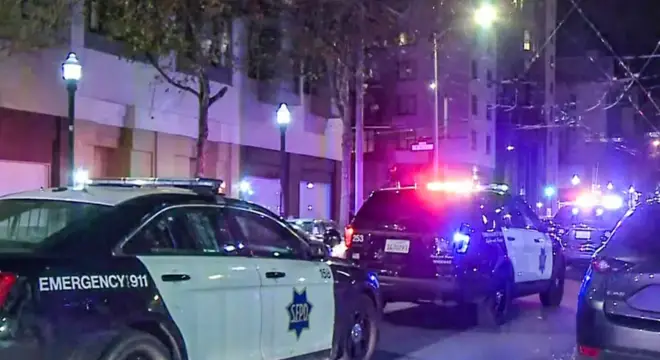
I want you to understand how quickly this unfolded. Around 10:11 a.m., a 911 call reported a fire at an abandoned home near Naio and Houghtailing streets in Kalihi. It was not an occupied house, which is why no one noticed the issue early.
Within minutes, six units and 22 firefighters reached the spot. By the time they arrived, smoke was already coming from the second floor. That tells you the fire had already started spreading inside.
Firefighters moved fast and controlled the situation with an aggressive response. By 10:33 a.m., the fire was fully put out. Because the house was empty, no injuries were reported, which is honestly the only relief in this case.
What Caused the Kalihi Abandoned House Fire

Now this is the part you should pay attention to. The fire started from an electrical junction box in the basement. Something most people never think about.
What happened here is called resistance heating. In simple terms, electricity turned into heat inside the system. That heat kept building until it ignited nearby wood.
Electrical fires often start exactly like this, due to faults, aging systems, or poor connections, which is explained clearly by Firetrace.
There was no human mistake or outside interference. The fire was classified as accidental. But if you think about it, that is what makes it more serious. A silent electrical issue was enough to start a fire on its own.
Understanding Electrical Junction Box Fires
Let me simplify this for you. A junction box is just a small enclosure where multiple electrical wires are connected. It usually sits behind walls, ceilings, or basements, quietly doing its job. You do not see it, which is exactly why problems here often go unnoticed.
Now here is where things get risky. If the wiring inside that box is loose or worn out, it creates resistance. That resistance builds heat.
And over time, that heat can become enough to start a fire. In fact, even a small loose connection can generate extreme heat and ignite nearby materials.
And think about this. Most homes, especially older ones, have wooden structures around these boxes. Wood catches fire easily once heat builds up. That is exactly how a hidden electrical issue can turn into a real fire without any warning.
Why Abandoned Homes Like This Are More Prone to Fires
If you look at this case closely, the house being abandoned played a big role. When no one lives in a property, basic checks stop happening. No one notices faulty wiring, strange smells, or early warning signs.
Over time, electrical systems age. Wires weaken, insulation breaks down, and connections become loose. Without maintenance, these small issues quietly turn into bigger risks.
Many electrical fires are linked to faulty wiring and aging systems, which are often ignored in unused buildings.
There is also environmental damage. Moisture, dust, and even pests can damage wiring over time. In an abandoned home, these factors build up without any control. That makes the entire system more unstable than you might expect.
Cases like this are not rare. In fact, a recent incident where a wind driven fire destroyed a Maryland home causing 1.5M damage shows how quickly fire can escalate under the right conditions.
Inside the Honolulu Fire Department Response

Now, this part shows you why the situation did not get worse. According to local coverage of the incident, firefighters responded quickly and used what is called an offensive fire attack.
That means they went in directly to control the fire instead of waiting for it to spread.
The timing here matters. The fire was reported at 10:11 a.m. and fully controlled by 10:33 a.m. That is just over 20 minutes. In fire situations, that speed makes a huge difference.
Quick response is what makes the real difference. In another case, a Belgrade family reflected after a devastating house fire where kids were safe mainly because help arrived on time.
If the response had been delayed, the damage could have been far worse, especially with an abandoned structure where fire can spread unnoticed.
This is a reminder for you that fast emergency response is often the only thing standing between a small incident and a major loss.
Damage Assessment and Property Impact
The estimated damage in this case was around $10,000. Since the house was abandoned, the overall loss stayed limited.
The fire mainly affected internal parts of the structure where it started and spread. It did not destroy the entire house.
The main reason damage was controlled is simple. Firefighters acted quickly and stopped the fire before it could spread further.
What This Fire Teaches About Hidden Electrical Risks
This case shows you one clear thing. Fires can start even when no one is living in a house.
A small electrical issue can slowly build heat and turn into a fire. And sometimes, the impact is far worse. There have been situations like the Chicago house fire that killed a 10 year old and critically injured an 18 year old where small risks turned into tragic outcomes.
You do not always get obvious warning signs.
If a property is left unchecked, the risk keeps growing. According to U.S. Fire Administration, electrical faults are a common reason behind many residential fires.
I also share similar real-world safety cases and quick insights in a short format, which makes it easier to stay aware without going too deep every time.
Warning Signs of Electrical Fire Hazards Everyone Should Know

There are a few signs you should not ignore.
If you notice a burning smell or unusual heat from walls, take it seriously. That is often an early warning.
Flickering lights or unstable power can also point to wiring issues.
And if a system has not been checked for a long time, the risk increases. Old wiring can fail without any clear signal.
Key Takeaways From the Kalihi Abandoned House Fire
If you look at this case closely, a few things stand out.
Electrical issues alone can start a fire, even when no one is living in the house. That is what makes them risky.
Resistance heating is not something most people think about, but it can quietly build heat and cause serious damage.
And in this situation, quick response from firefighters made a big difference. Without that, the damage could have been much worse.
Now I want to hear from you. Have you ever noticed any electrical warning signs in your home or around your area? Drop your thoughts in the comments.
If you want more simple, real-world insights like this, you can also check out Build Like New where I break down home safety and construction topics in a practical way.
Disclaimer: This content is for informational purposes only. I am sharing general insights based on available information. For any electrical or safety concerns, you should always consult a licensed professional and follow local regulations.