Montgomery County Home Fire Linked to Furnace Malfunction, Heavy Damage Reported
When I first read about this Montgomery County house fire, one detail immediately caught my attention.
The furnace had just been serviced, and still, within about 40 minutes of use, it sparked a fire that spread from the furnace to the attic and first floor.
That is what makes this incident different. You and I usually trust that maintenance means safety. But here, a “fixed” furnace turned into a $65,000 fire and left one person displaced.
It raises a simple but serious question. If something like this can happen right after servicing, how safe is your furnace really?
Quick Overview of the Montgomery County House Fire
This fire happened in Kemp Mill, on Fulham Ct, around 1:20 p.m. on Sunday. From what I can see, it started as a normal day until something inside the home went wrong with the furnace.
Firefighters responded quickly after getting reports of a smoking furnace. By the time they arrived, the situation had already started getting serious.
They managed to control the fire before it caused even more damage, as reported by DC News Now.
No injuries were reported, which is the biggest relief here. But one person was displaced from the home.
In some cases, families are able to escape just in time despite heavy damage, like in this incident where a massive home fire destroyed a property but the family escaped safely.
And if you think about it, even without injuries, losing access to your home like that is a major disruption.
How the Fire Started Inside the Home
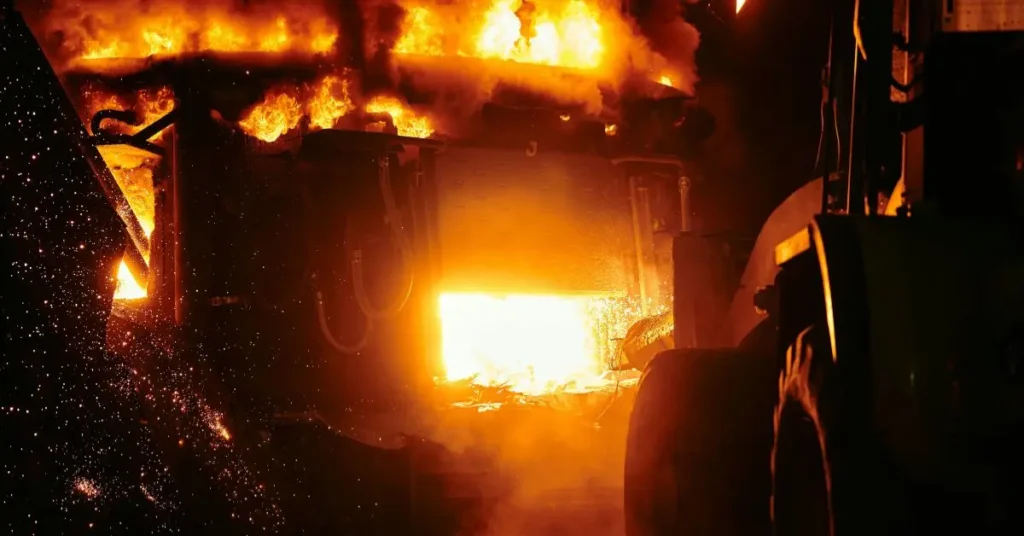
It began with something that might not seem urgent at first. A smoking furnace. This is exactly where most people underestimate the risk.
You might ignore it or wait, but this case shows how quickly things can escalate.
When firefighters reached the scene, flames were already coming directly from the furnace. That means the issue had already gone beyond a small malfunction. It had turned into an active fire.
From there, the fire spread quickly. It moved from the furnace to the attic and then into the first floor of the home.
And once a fire reaches multiple parts of a house, the damage increases fast.
We have seen similar situations where fires spread quickly and took much longer to control, like this case where Kansas City crews battled a vacant home fire for nearly two hours.
That is how this incident turned into roughly $65,000 in losses in a short time.
Furnace Malfunction After Maintenance — What Went Wrong
One thing that makes this case unsettling is how quickly it escalated. The fire reportedly started after just 40 minutes of using the furnace.
That is a very short window, especially for something that had already been serviced.
You might assume that once maintenance is done, the system is safe to run. But that is not always true. Sometimes, issues do not show up immediately.
A loose connection, a small installation mistake, or even a faulty replacement part can trigger problems once the system starts heating up.
There are also hidden factors most people do not think about. Airflow issues, blocked vents, or pressure buildup inside the system can all increase risk.
And when heat and electrical components are involved, even a small fault can turn into a fire faster than you expect.
How Common Are Furnace Fires in the United States
If you think this is a rare case, it is not as uncommon as you might believe. Heating equipment is one of the leading causes of home fires in the United States, especially during colder months when systems are used more frequently.
Data from National Fire Protection Association shows that heating-related fires happen every year, with space heaters and furnaces being a major contributor.
The risk increases during winter when systems run longer and harder.
If you start tracking these kinds of incidents regularly, you will notice patterns in how often furnace-related fires actually happen across different areas.
Beyond mechanical failure, many fires are linked to everyday issues. Lack of maintenance, dirty filters, electrical faults, or placing flammable items too close to heating systems are all common causes.
And most of these are preventable, which is what makes incidents like this even more concerning.
Why Furnace Maintenance Alone Is Not Enough for Safety
I know it sounds counterintuitive, but servicing your furnace does not guarantee safety. In fact, this incident shows that problems can show up right after maintenance, not before.
A common mistake I see homeowners make is assuming the job is done once the technician leaves. You turn the system on and go about your day without paying attention to how it behaves. That is where small warning signs get missed.
There is also a false sense of security that comes with recent servicing. You feel like everything should be fine, so you are less alert. But the first few uses after maintenance are actually when you should be most careful.
That is why monitoring matters. When you restart your furnace, you should stay alert for unusual smells, smoke, or sounds.
Catching something early can be the difference between a minor issue and a major fire.
How to Prevent Furnace Fires at Home
If you want to reduce your risk, you need to go beyond just scheduling maintenance. What you do after that matters just as much.
Start with a simple checklist after any servicing. Turn the furnace on and observe it for a while. Do not leave it running unattended the first time. Pay attention to airflow, smell, and any visible smoke.
The first hour of use is critical. If something feels off, even slightly, shut it down and get it checked again. It is better to be cautious than to ignore early signs.
Regular cleaning also plays a big role. Dirty filters and blocked vents can create heat buildup, which increases fire risk. Keeping your system clean and unobstructed helps it run safely.
And then there is basic fire protection. Smoke alarms and detectors are not optional.
According to Ready.gov, early warning systems are one of the most effective ways to prevent serious fire damage. They give you those extra seconds that can save your home.
What $65,000 in Fire Damage Means for a Homeowner
When you hear a number like $65,000, it might sound like just a statistic. But in reality, it represents a major disruption to someone’s life.
In more tragic situations, fires can lead to irreversible loss, as seen in this case where multiple dogs were found dead after a house fire.
This kind of damage usually goes beyond what you can see. It is not just burned areas. There is smoke damage, wiring issues, insulation problems, and sometimes structural impact that needs repair.
Insurance can help, but it is not always straightforward. Coverage depends on your policy, deductibles, and the cause of the fire.
Even with insurance, the process can take time and come with unexpected out-of-pocket costs.
And then there is the personal side. Being displaced from your home, even temporarily, affects your routine, your comfort, and your sense of stability. It is not just about repairs. It is about rebuilding normal life again.
Key Safety Lessons from the Montgomery County House Fire
When I look at this incident, a few clear lessons stand out that you should not ignore.
First, early warning signs matter more than most people think. A smoking furnace might seem minor, but this case proves it can quickly turn into a serious fire. If you notice anything unusual, that is your signal to act immediately.
Second, monitoring your furnace after use is critical, especially right after maintenance. You should not just turn it on and walk away. Stay alert during the first use, because that is when hidden issues are most likely to show up.
And finally, small problems do not stay small for long. What starts as a minor malfunction can escalate into a full house fire within minutes.
That is exactly what happened here, and it is something you should keep in mind every time you rely on your heating system.
Final Thoughts
If there is one thing I want you to take away from this, it is this. Do not rely on maintenance alone. Stay aware, stay cautious, and treat every warning sign seriously.
I would also like to hear from you. Have you ever noticed something unusual with your furnace or heating system and ignored it at first? Share your experience in the comments. It might help someone else avoid a similar situation.
And if you want more practical, no-nonsense home safety insights like this, you can explore more guides on Build Like New.
And if you want more practical, real-life home safety insights like this, you can explore more guides on Build Like New. You can also stay updated with similar incidents by following us on X and joining our community on Facebook.
Disclaimer: This article is for informational purposes only and should not be considered professional or technical advice. Always consult a qualified technician or local fire safety expert for inspection, maintenance, or repair of heating systems.