These 8 Home Upgrades May Cause More Trouble Than They’re Worth
Most exterior upgrades look amazing at first. Fresh paint, trendy design, clean finishes — everything feels like a smart decision.
But I’ve seen this play out way too many times. A year or two later, the same projects start causing issues. Paint begins to fail, maintenance keeps increasing, and some designs just don’t age well.
The problem isn’t that people make bad choices. It’s that no one talks enough about what happens after the renovation is done.
In this guide, I’ll walk you through exterior renovation mistakes that experts consistently warn against — so you don’t end up spending more money fixing them later.
Why Some Exterior Renovations Age Poorly Over Time
I’ve seen this happen a lot. A renovation looks great right after it’s done, but after a year or two, issues start showing up.
The biggest problem is focusing only on curb appeal. What looks good today may not handle weather, moisture, and daily wear very well.
Over time, that leads to cracks, peeling, or damage you didn’t expect. Experts featured on The Spruce also point out that many popular exterior upgrades don’t age well for this exact reason.
Then comes maintenance. Some upgrades need constant upkeep, and if you didn’t plan for it, the cost and effort keep adding up.
Even insights shared by Southern Living highlight how homeowners underestimate long term maintenance before starting a project.
That’s why I always think beyond the first impression. It’s not about how it looks now, but how it performs over time.
8 Exterior Renovation Mistakes Experts Say to Avoid
1. Painting Over Brick Without Considering Moisture Flow
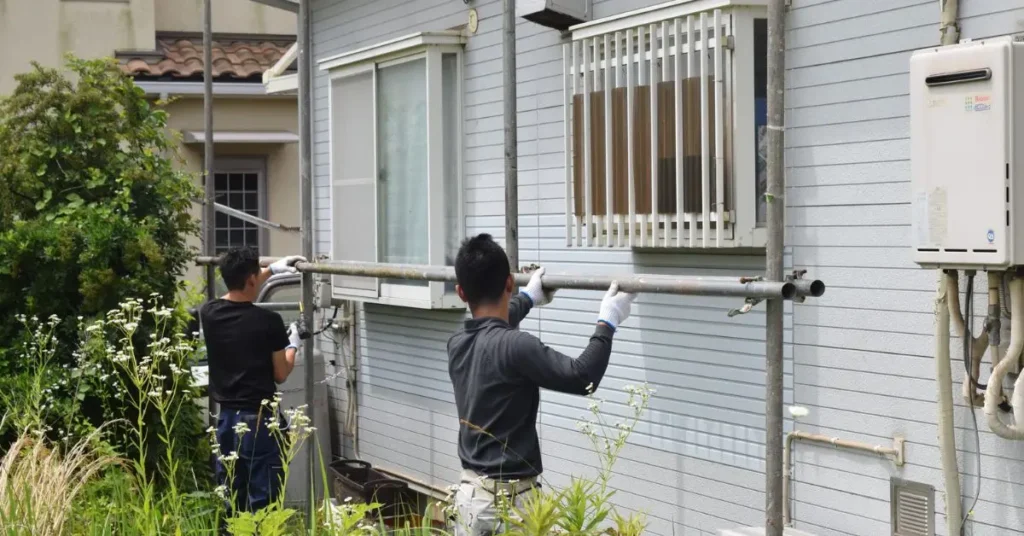
I know painted brick looks clean and modern. But this is one of those decisions that causes problems quietly.
Brick is meant to breathe. When you seal it with paint, moisture gets trapped inside. Over time, that leads to cracking, flaking, and even structural damage.
And once you paint it, you’re locked into maintenance. Repainting every few years becomes part of the deal whether you like it or not.
2. Skipping Proper Surface Preparation Before Painting
If you’re planning to paint, don’t rush the prep. I’ve seen this mistake more times than I can count.
People focus on color and finish, but ignore sanding, cleaning, and moisture checks. That shortcut shows up fast. Paint starts peeling, bubbling, or fading much earlier than expected.
The harsh reality is simple. Bad prep ruins even the best paint.
And if you’re wondering how long a properly done paint job should even last, this will give you a realistic idea: how long exterior paint really lasts.
3. Forcing Trendy Designs on Homes That Don’t Match
Trends are everywhere. You see them on Instagram, Pinterest, and new builds.
But not every home is built for every trend. When you force a modern look onto a traditional structure, it feels off. And worse, it dates quickly.
I always tell people this. A design that respects your home’s original style will age far better than something that just looks trendy today.
4. Adding Complex Roof Designs Just for Aesthetics
This is one of those upgrades that looks impressive but creates hidden risk.
More angles, peaks, and joints mean more places for water to sneak in. What started as a design upgrade turns into a long-term maintenance headache.
Roofing isn’t just about looks. It’s about keeping your home protected. Every extra detail increases the chances of failure over time.
5. Installing Decorative Water Features Without Maintenance Planning
Water features sound great in theory. A pond or fountain can elevate the look of your yard instantly.
But what most people don’t realize is how much work they require. Cleaning, pump maintenance, dealing with debris. It becomes a weekly responsibility.
If you’re not ready for that, what felt like a luxury upgrade can quickly turn into a burden.
6. Replacing Natural Landscaping with Too Much Hardscape
I understand the appeal of low-maintenance yards. Less grass, fewer plants, less work.
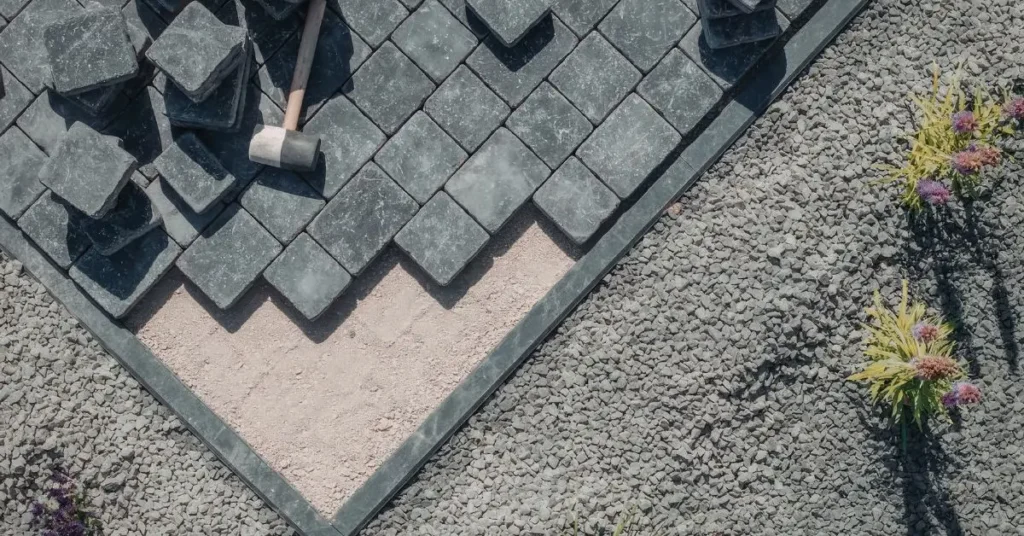
But going all-in on concrete, stone, or pavers creates new problems. Heat builds up around your home, drainage becomes tricky, and visually, the space can feel harsh and uninviting.
A balanced mix of greenery and structure almost always performs better long term.
7. Using Quick Fix Deck Stains Without Assessing Wood Condition
A fresh stain can make your deck look brand new. But if the wood underneath isn’t ready, you’re just covering up problems.
Applying stain on damp or damaged wood leads to uneven finishes and short lifespan. You’ll end up redoing the work much sooner than expected.
Take the time to check the condition first. It saves money and frustration later.
8. Ignoring Your Home’s Original Structure and Material Needs
Every home is different. Materials behave differently. Older homes, especially, have their own quirks.
When you ignore that and treat every renovation the same, things don’t go as planned. What works on one house might fail on another.
I always approach renovations with one rule in mind. Work with the home, not against it.
Hidden Exterior Renovation Mistakes You Don’t Talk About
Most people focus on obvious design mistakes, but from what I’ve seen, the real problems are usually hidden in decisions people don’t think twice about.
- Not Thinking About Long Term Maintenance Cost: I’ve learned this the hard way and seen others repeat it. You budget for the renovation, but not for what comes after. Ongoing maintenance quietly eats into your time and money if you don’t plan ahead.
- Choosing Looks Over Functionality: It’s easy to pick something just because it looks good. But if it doesn’t perform well daily, it becomes frustrating fast. I always prioritize how something works before how it looks.
- Ignoring Climate and Local Weather Conditions: Every location has its own challenges. Heat, rain, humidity. If your renovation doesn’t suit your environment, it won’t last long no matter how good it looks.
- Not Considering Resale Value: Even if you’re staying long term, your choices still matter. Overly personal or extreme designs can hurt your home’s appeal later.
I’ve also broken down a few more of these overlooked issues here: common home exterior mistakes homeowners miss.
What Real Homeowners Regret After Exterior Renovations
If you listen closely, most homeowners share very similar regrets after a few years of living with their renovation choices.
- It Looked Amazing the First Year: I’ve heard this line so many times. The first impression is strong, but time exposes weak decisions.
- Maintenance Became Too Much: What felt manageable at first slowly turns into constant work. Cleaning, fixing, repainting. It adds up.
- I Wish I Had Kept It Simple: This is a big one. Simpler choices usually age better. Trying too hard often leads to regret later.
- Insights shared by Undercover Architect also show how overcomplicating renovation decisions leads to stress and outcomes homeowners don’t fully enjoy.
I keep noticing patterns like these across real homeowner experiences, and when you see them consistently, it completely changes how you approach renovation decisions.
How to Plan Exterior Renovations That Last
If you want to avoid these mistakes, the goal isn’t perfection. It’s making practical decisions that hold up over time.
- Choose Timeless Designs Over Trends: I always lean toward designs that won’t feel outdated in a few years. Trends fade, but balanced design lasts.
- Always Factor in Maintenance from Day One: Before deciding anything, I ask myself how much upkeep it needs. If it feels like too much, it usually is.
- Match Renovation with Architecture Style: Every home has its own identity. When you respect that, everything feels more natural and holds up better over time.
- Think in Terms of 5 to 10 Year Durability: I don’t just think about today. I think about how it will perform years later. That shift alone helps avoid most costly mistakes.
Smarter Exterior Upgrades That Actually Add Value
If you’re going to spend money on your home’s exterior, it should make your life easier and hold up over time.
Balanced landscaping works far better than covering everything in hardscape. I’ve seen homes feel hotter, harsher, and less inviting when greenery is removed completely.
A mix of plants and structure always looks better and performs better.
Durable paint systems with proper prep make a huge difference. It’s not just about choosing a color. When prep is done right, the paint actually lasts and saves you from repainting again and again.
Functional roofing should always come before decorative additions. I prefer simple, well-built roof designs because they reduce the chances of leaks and expensive repairs later.
Lighting and subtle enhancements are often underrated. Small upgrades like outdoor lighting can improve how your home looks and feels without adding extra maintenance.
A Simple Checklist Before You Start Any Exterior Renovation
Before you move forward with any renovation, I always run through a few simple checks.
First, I ask if the upgrade will hold up in extreme weather. Heat, rain, and seasonal changes can quickly expose weak decisions.
Then I think about maintenance. What will this need every year, and am I realistically going to keep up with it.
I also check if it matches the home’s structure. When something feels forced, it usually doesn’t age well.
Finally, I look at the long term cost. Not just installation, but everything that comes after. Repairs, upkeep, and replacements.
Final Insight
If there’s one thing I’ve learned, it’s this. The best exterior decisions are simple and practical.
Focus on durability. Keep things simple. Think about how it will perform years from now, not just how it looks today.
That mindset alone helps avoid most renovation regrets.
If you’re planning an exterior upgrade, I’d really like to know what you’re considering right now.
And if you want more practical, no-nonsense renovation advice, check out my website Build Like New where I share real insights that actually help you make better decisions.
And if you want to keep learning what actually works (and what doesn’t), I share practical, real-world insights regularly on X and inside our Facebook community where we break down home decisions in a simple way.
Disclaimer: This content is for general guidance only. Every home is different, and results can vary based on materials, climate, and workmanship. It’s always a good idea to consult a licensed professional before making major renovation decisions.