Peshtigo House Fire Started in Chimney and Burned for More Than Two Hours
I’ve covered a lot of residential fire incidents over the years, but what happened on Rivers Edge Drive in Peshtigo, Wisconsin, this past Sunday evening is a textbook reminder of how fast a chimney fire can turn into something far worse.
What Happened in Peshtigo
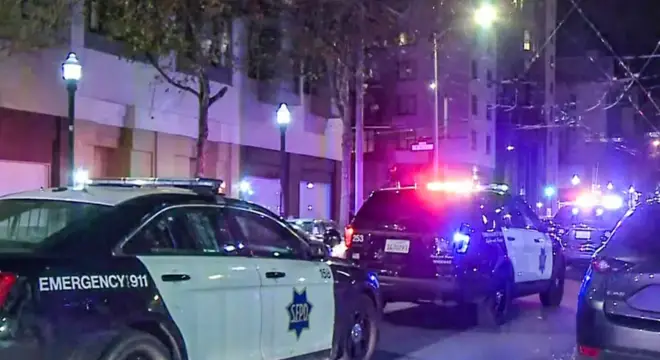
Shortly before 5:45 p.m., firefighters in Marinette County were diverted from an unrelated call on Rhems Road to a residence after reports of a chimney fire with visible flames.
When crews arrived, the fire had already spread beyond the flue. It was eating into the façade and interior walls surrounding the chimney. That’s the moment a chimney fire stops being “manageable” and starts being a structural threat.
Additional departments were requested. A first box alarm was declared. The situation was serious enough that more agencies were being mobilized, though that backup was called off once crews got the fire under control.
Over two hours later, firefighters cleared the scene. No injuries were reported.
For the full incident details, read the original report from WFRV Local 5.
How a Chimney Fire Becomes a House Fire
Here’s what most news articles skip, and what every homeowner actually needs to understand.
Chimney fires don’t politely stay inside the chimney. When creosote, that oily tar-like residue from burning wood, builds up and ignites, it burns at temperatures that can exceed 2,000°F.
That’s hot enough to crack flue liners and push heat directly into your home’s wooden framing.
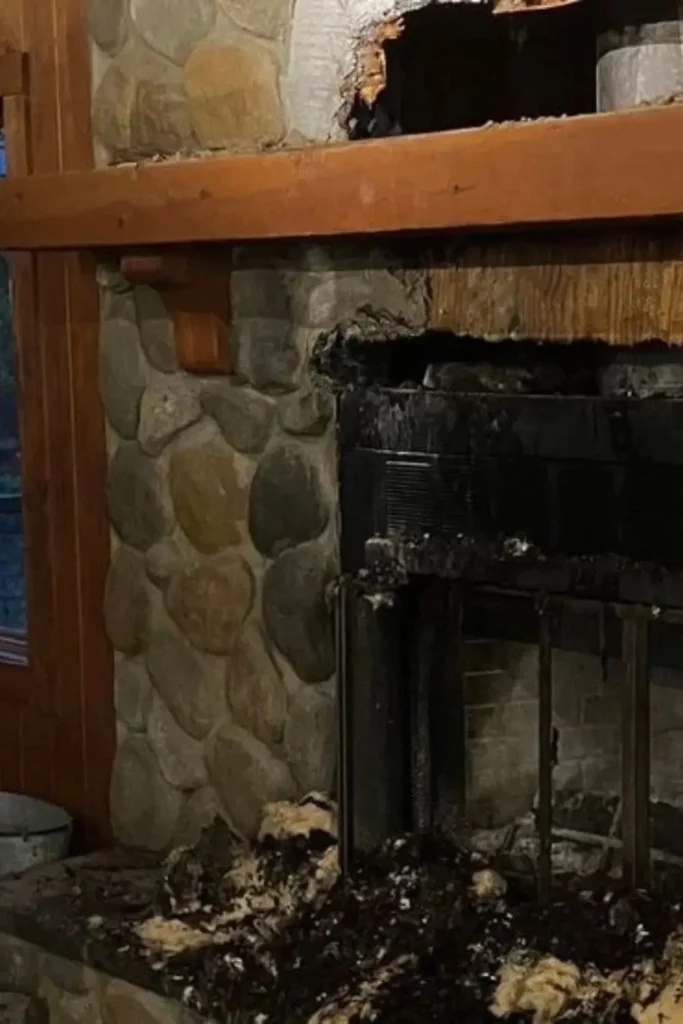
Once the fire gets into the wall cavity, it spreads silently. You can’t see it. You can’t smell it immediately. By the time it becomes visible, it’s already structural.
That’s exactly what happened on Rivers Edge Drive. The flue didn’t contain it.
The walls became the fire path. We saw something similar when a house fire in northeast Memphis left a property severely damaged. Fast spread, walls involved, and crews scrambling to keep it from getting worse.
And when a fire goes this deep into a structure, the outcome can be devastating. Just days ago, a woman was found dead after a house fire destroyed her home in Mapleton, Maine.
That fire also required mutual aid from neighboring departments and left nothing standing.
Why This Matters
According to the NFPA data compiled by chimney safety experts, nearly 38,900 fires each year involve fireplaces and heating equipment, resulting in roughly 480 deaths and over $1 billion in property damage annually.
Chimney and flue fires alone account for 5 to 7% of all residential fires in the U.S.
And here’s the part that gets ignored: nearly half of all heating-related fires happen in December, January, and February. But Sunday’s Peshtigo fire happened in May. Creosote doesn’t disappear when the season ends. It just sits there, waiting.
These fires also take a toll on the people fighting them. When 3 firefighters were injured battling a massive house fire in Indian Land, SC, it was another reminder of the real human cost every time a preventable fire gets out of hand.
If stories like these make you want to stay on top of fire safety news as it happens, there’s a community channel where incidents like this get shared regularly. It’s a useful way to keep yourself informed without searching for it every time.
What You Should Do Before Next Season
If you have a wood-burning fireplace or stove, these aren’t optional. They’re the difference between a close call and a total loss.
- Schedule a Level 1 chimney inspection every year, even if you barely used it this winter.
- Look for creosote buildup on the damper or inside the firebox. Black, flaky residue means it’s time to call a professional.
- Check your flue liner for cracks. A cracked liner is a direct path for heat to reach your walls.
- Install a chimney cap to keep debris, birds, and moisture out during off-season months.
- Make sure your smoke and CO detectors are working. Chimney fires often produce carbon monoxide before visible smoke.
Have you had your chimney inspected this year?
Or have you ever dealt with a chimney issue at home that caught you off guard? Drop a comment below. Your experience could genuinely help someone else catch a problem before it turns into an emergency.
The Peshtigo fire is a reminder that chimney safety isn’t a seasonal checkbox. It’s a year-round responsibility.
For more home safety guides, repair tips, and real incident coverage, visit Build Like New.
We cover stories like this regularly. Follow us on X (Twitter) and join our Facebook community so you never miss an update on home safety and fire incidents across the country.
Disclaimer: This article is for informational purposes only. Always consult a certified chimney professional or local fire authority for safety guidance specific to your home.