Your Roof Could Fail This Winter and Super El Nino Is the Reason Nobody Is Talking About
NOAA has put an 82% probability on El Nino emerging by July 2026, with a 96% chance it continues straight through winter 2026-2027. That is not a buried footnote in a climate report. That is a live federal warning sitting on the table right now.
And most homeowners are not paying attention to it yet.
The ones who should be most concerned are not necessarily the ones watching hurricane forecasts.
They are the ones with a roof that has not been inspected in two or three years, sitting somewhere along Southern California, the Gulf Coast, or the Southeast.
This Is Not Just a Weather Story. It Is a Neighborhood-Level Risk.
El Nino does not hit every region the same way. In Southern California, it brings prolonged heavy rain, flooding, and landslides.
Along the Gulf Coast, Louisiana, Mississippi, and Texas get extended wet periods combined with wind-driven rain that finds every weak point in an aging roof.
The Southeast and Mid-Atlantic see a shift in the jet stream that routes more storm systems directly toward them.
Above-average rainfall hits the Gulf Coast and Southeast in over 80% of El Nino events historically. A Super El Nino does not change that pattern. It intensifies it.
This is the part most articles completely skip. They explain the climate event. They do not tell you what it actually does to the structure over your head.
Nearly 4 in 10 American Homes Have a Roof That Is Not Ready
Here is the number that should make you stop and think.
Nearly 40% of U.S. homes currently have roofs rated in moderate or poor condition. That is over 40 million homes. And homes with roofs older than 20 years are 3 times more likely to file a wind or hail claim when a serious weather event arrives.
80% of U.S. roofs are asphalt shingles. They are not designed for season after season of prolonged wet loading combined with sustained wind events. Most were installed with a 20 to 25 year lifespan, and a significant portion are already past it.
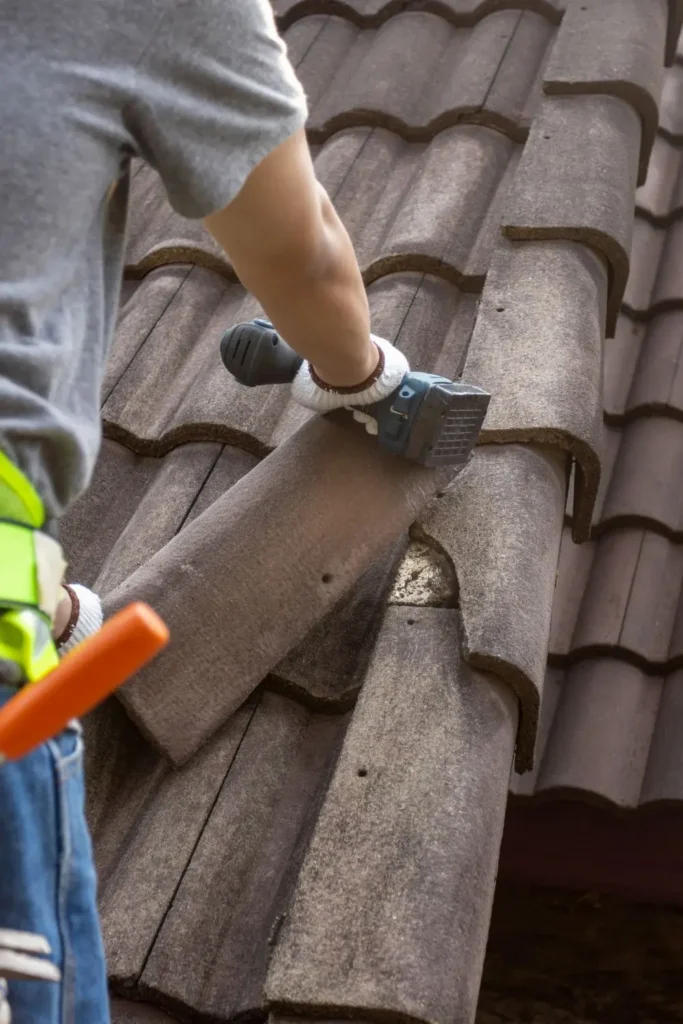
Experts covering super el nino weather warnings and what roof upgrades actually protect against have pointed out that the window to act is before contractor schedules fill up, not after the first storm warning hits your area.
Your Insurance Company Already Knows Your Roof’s Age. Do You?
This is the angle most coverage completely misses, and it is the one that costs homeowners the most.
Insurers are already tightening underwriting on roof age and condition.
They are raising deductibles, requiring stricter documentation, and in some cases refusing to renew policies unless a roof is repaired or replaced first. This is not a future shift. It has been building since 2022.
Your roof’s age is now one of the first things a carrier checks when you come up for renewal.
One of the most common entry points water uses during storm events is flashing failure, not shingles. The roof flashing problems that quietly let water in before you notice any visible damage are also the ones most homeowners find out about only after a claim.
If you follow stories like this as they break, there is a WhatsApp channel worth checking out that covers weather risk, home markets, and real estate decisions in real time. Good resource to have before the news cycle catches up.
Why This Matters
The numbers here are not abstract.
According to Verisk’s U.S. Roofing Realities Report, roof repair and replacement costs in the U.S. hit nearly $31 billion in 2024, up 30% since 2022.
Homes with poor or moderate roof conditions carry 60% higher insurance loss costs than those in good condition. Roof claims now account for more than a quarter of all residential insurance claim value nationwide.
That data is from before a Super El Nino cycle entered the forecast.
Knowing how to handle a roof under heavy weather load and understanding timing your roof replacement before storm season hits are two decisions that can mean the difference between a manageable repair and a denied claim.
Several states including Alabama, Louisiana, North Carolina, and Oklahoma currently offer homeowners grants of up to $10,000 to retrofit roofs to FORTIFIED standards.
Research from North Carolina State University found FORTIFIED roofs had 35% fewer claims after major storms, and when claims were filed, the damage was 23% less severe. Most homeowners have never heard of these programs.
Key Takeaways
- NOAA puts El Nino at 82% probability by July 2026, 96% through winter 2026-2027
- Southern California, the Gulf Coast, and the Southeast face the highest direct rain and wind exposure
- Nearly 40% of U.S. homes have roofs in moderate or poor condition right now
- Homes with roofs over 20 years old are 3 times more likely to file a storm damage claim
- U.S. roof claims hit $31 billion in 2024, up 30% since 2022
- Homes with poorly rated roofs carry 60% higher insurance loss costs than well-maintained ones
- Insurers are actively tightening underwriting, raising deductibles, and flagging older roofs at renewal
- Multiple states currently offer up to $10,000 in grants for FORTIFIED roof upgrades
What would you do first: get the roof inspected, review your insurance policy, or look into state grant programs? Drop your answer in the comments. Genuinely curious where most homeowners are starting from on this.
Wrapping Up
The NOAA alert is live. The forecast is serious. And tens of millions of American homes are sitting under roofs that were not built for what a Super El Nino winter delivers at full strength.
Most people will read the weather headline and move on. The ones who act now are the ones who avoid the claim, the coverage gap, and the contractor waitlist six months from now.
If stories like this are useful to you, Build Like New covers home risk, real estate decisions, and the practical steps that protect what you own. Worth bookmarking if you want more than just the headline.
For more in real time, follow Build Like New on X (Twitter) and join the conversation over on the Facebook community. That is where these stories get discussed as they break.
Disclaimer: This article is for informational purposes only. All data is based on publicly available reports and official agency statements at the time of publication.