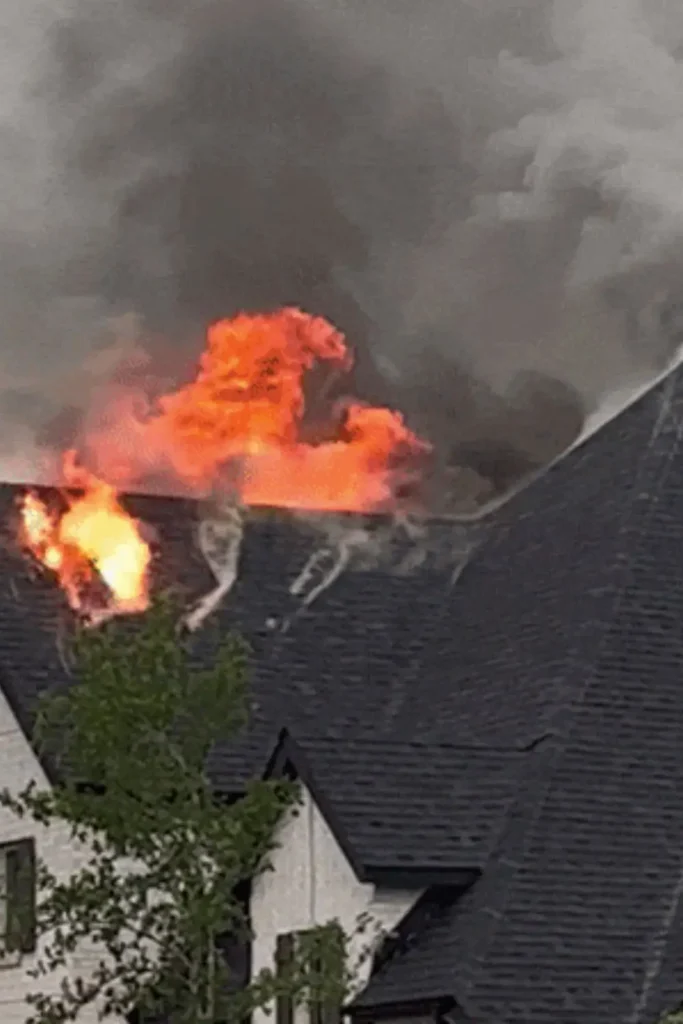
McKinney Home Engulfed in Flames After Lightning Strike Hits Roof
I’ve covered weather-related home damage stories for years. But this one from McKinney, Texas hit differently, not because of the fire itself, but because of everything surrounding it.
What Happened
Tuesday afternoon, May 20, 2026. Storms were rolling hard through North Texas with lightning, flash flooding, and high winds. In the 3500 block of Mescalbean Drive in McKinney, a bolt struck a home’s roof and set it on fire.
The McKinney Fire Department responded fast. They put it out quickly. No one was hurt.
But the family inside? They were in the process of selling that home. Now they’re staying with relatives.
Neighbors Steve and Stephanie Steelman, just three doors down, described the strike as the loudest sound they’d ever heard in their lives. They thought it hit a transformer. Then they saw the flames.
“I understand from a distance what this can do to someone,” Stephanie said. “But being so close to our home, it just made it feel real.”
They went outside, captured video, and within hours, the neighborhood was on Facebook organizing gift cards and essentials for the displaced family.
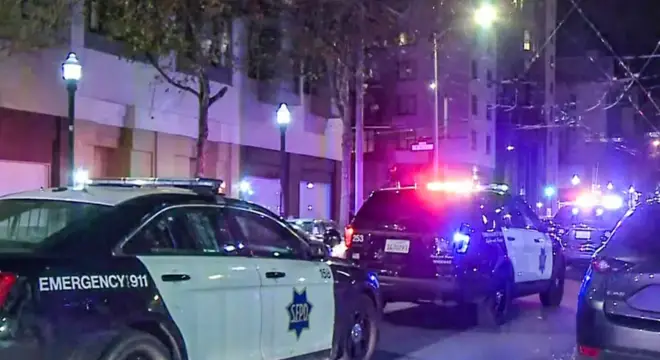
Displacement after a sudden home fire, with no warning and no time to plan, is one of the most disorienting things a family can go through, as we saw in a similar situation in Petaluma where two residents were left without a home overnight.
You can read FOX4’s full original report here for the on-ground details.
This Wasn’t a One-Off
Here’s what most breaking news coverage misses: McKinney wasn’t the only house hit that day.
Fort Worth fire crews responded to three separate lightning-caused house fires on the same afternoon.
A meteorologist from the National Weather Service Dallas-Fort Worth office said it plainly. It’s not uncommon to see one or two lightning-caused house fires per storm system in North Texas.
DFW is one of the most lightning-active metro areas in the country. And McKinney is one of the fastest-growing cities in Texas. More homes means more targets. That’s not dramatic, that’s just math.
And when the cause isn’t immediately obvious, investigations take time, much like the Merchantville, NJ house fire where officials hadn’t confirmed what started it even after crews cleared the scene.
Why This Matters
Lightning fires aren’t rare. They’re just rarely talked about until it’s your neighbor’s house.
According to the Insurance Information Institute, lightning caused over 55,500 homeowners insurance claims in the U.S. in 2024 alone, totaling more than $1 billion in payouts. Texas consistently ranks in the top three states for these claims.
And here’s the part most people don’t know: lightning fires often start inside the attic or walls. You might not see smoke for several minutes after a strike. By the time it’s visible, it’s already deep.
If you want to stay updated on stories like this as they happen, there’s a community WhatsApp channel that covers house fires, storm damage, and what homeowners actually need to know.
Worth joining if you want real-time updates without the noise: Join the channel here.
What Every Homeowner Should Do Right Now
If you’re in North Texas or anywhere with active storm seasons, this is what I’d tell a friend:
1. Know what your insurance actually covers. Most standard homeowners policies cover lightning damage, including fire. But they also include “Loss of Use,” meaning if you’re displaced, they may cover your temporary housing. Call your agent. Confirm your limits.
2. Install a whole-home surge protector. A standard power strip does nothing against a lightning surge. A surge protector installed at your breaker panel is the real defense for your appliances and wiring.
3. Have an evacuation plan. This family got out. Not every family does. Know your exits. Keep important documents somewhere grab-and-go ready.
Roof fires in particular move fast, something that was painfully clear in the Connecticut solar panel fire where a family barely made it out in time.
4. After a strike, call 911 and don’t investigate. Even if you see no flames, call immediately. Fires inside attic insulation can smolder undetected for minutes. Don’t wait for smoke.
Closing
The McKinney family lost their home while trying to start a new chapter. The neighborhood showed up anyway with gift cards, essentials, and community. That part of the story doesn’t make the headline, but it matters just as much.
Storm season in North Texas is not slowing down. The question isn’t if lightning will target a home near you. It’s whether you’re prepared when it does.
Have you taken any steps to protect your home from lightning damage? Or maybe you’ve been through something like this yourself? Drop it in the comments. I read every single one and reply when I can.
If you found this useful, follow along on X (Twitter) and the Build Like New Facebook Group. That’s where I share quick updates, storm alerts, and home protection tips as they happen.
For deeper guides and real-talk repair advice, visit Build Like New.
Disclaimer: This article is for informational purposes only. For emergency situations, always contact your local fire department. Insurance coverage varies by provider, consult your agent directly.