No Fire Hydrant in Town of Rock Cost This Family Everything
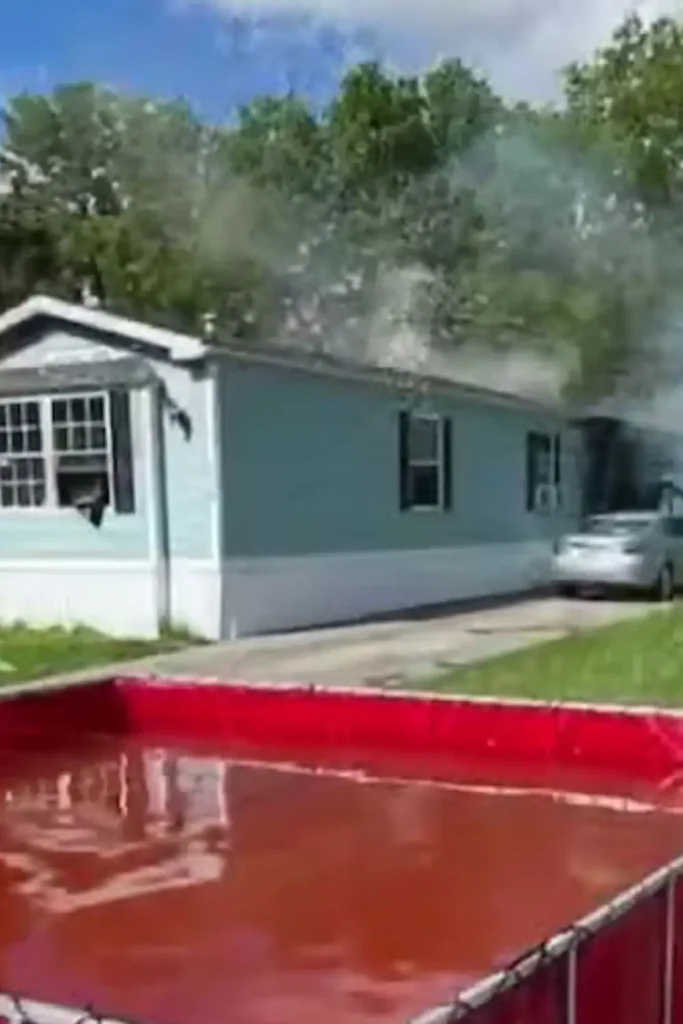
A house caught fire Wednesday evening in the Town of Rock, Wisconsin. Within minutes, not one but two fire departments were on scene.
That alone made people ask: why did a single house fire need two departments?
The answer has nothing to do with the size of the fire. It has everything to do with where it happened.
What Happened on South Highway 51
According to WMTV15 News, firefighters were called to the 6200 block of South Highway 51. Both the Town of Beloit Fire Department and the City of Beloit Fire Department responded.
When the first crew arrived, smoke and flames were already showing. The American Red Cross of Wisconsin was also called in to help the displaced residents.
Why Two Departments? The Hydrant Problem No One’s Talking About
Here’s the part most news reports skip entirely.
The Town of Rock has no fire hydrants. In a city, a fire engine hooks into a hydrant and has an unlimited water supply. In rural areas, there are no pressurized water mains under the road. No hydrants to tap into.
So firefighters bring the water with them, in large trucks called water tenders. A tender carries 1,500 to 3,000+ gallons.
Once that runs out, you need another. That’s why mutual aid gets called. A second department brings more trucks, more water, and keeps the operation going.
One Wisconsin fire chief described his department’s tenders simply: “This is our hydrant system.”
Why This Matters: The Data Behind the Risk
This isn’t just a Town of Rock problem. It’s a pattern that quietly puts rural homeowners at greater risk everywhere.
Fire death rates in rural areas are two to four times higher than urban across all age groups. The gap exists largely because response infrastructure is thinner, not because rural fires burn differently.
The U.S. Fire Administration confirms rural response times run nearly twice as long as urban ones. When water has to be trucked in, every minute matters more.
We covered a similar situation out of New Jersey, where flames tore through a Merchantville home and investigators still haven’t confirmed what started it. That pattern of delayed answers is more common in rural incidents than people realize.
What Happens to the Displaced Residents
The Red Cross stepped in immediately to help with housing, food, clothing, and basic needs. For rural families with fewer nearby resources, that support is often the difference in the first 72 hours.
Displacement is harder than it looks from the outside. We covered a case in California where a Petaluma family was displaced with no injuries and the road back still took time.
What Rural Homeowners Should Know
Check your fire district. Find out if your area has no hydrants. Your local fire department can tell you in minutes.
Smoke detectors matter more here. When response takes longer, early warning is your best chance to get out safely.
Don’t ignore home systems as fire risks. Solar panels, heating equipment, and electrical issues can ignite fast. One Connecticut family barely made it out when solar panels on their roof caught fire.
If you follow stories like this, there’s a WhatsApp channel with quick updates and no noise.
Key Takeaways
- Two departments responded because the rural area has no hydrants and water had to be trucked in
- Mutual aid is standard rural fire protocol, not an emergency escalation
- Rural fire death rates are two to four times higher than urban
- The Red Cross is assisting the displaced residents
Did this change how you think about rural fire safety? Drop a comment below. We read every one.
We cover house fires, displacement, and home safety every week. Follow along on X (Twitter) and our Facebook page to stay updated.
For more, visit Build Like New.
Disclaimer: This article is for informational purposes only, based on reporting by WMTV15 News (May 20, 2026) and publicly available fire safety data.