A Three-Story Home Caught Fire in Waterbury and 4 Animals Did Not Make It Out
The fire started around 5 p.m. on a Tuesday. Neighbors spotted it first and called it in. By the time crews arrived, a three-story wood frame building on Pearl Street in Waterbury was already burning hard enough that the roof had to be cut open just to vent the smoke.
Thirty-three minutes later, the fire was out. No firefighters were hurt. No residents were hurt.
But two cats and two dogs never made it out.
The House on Pearl Street
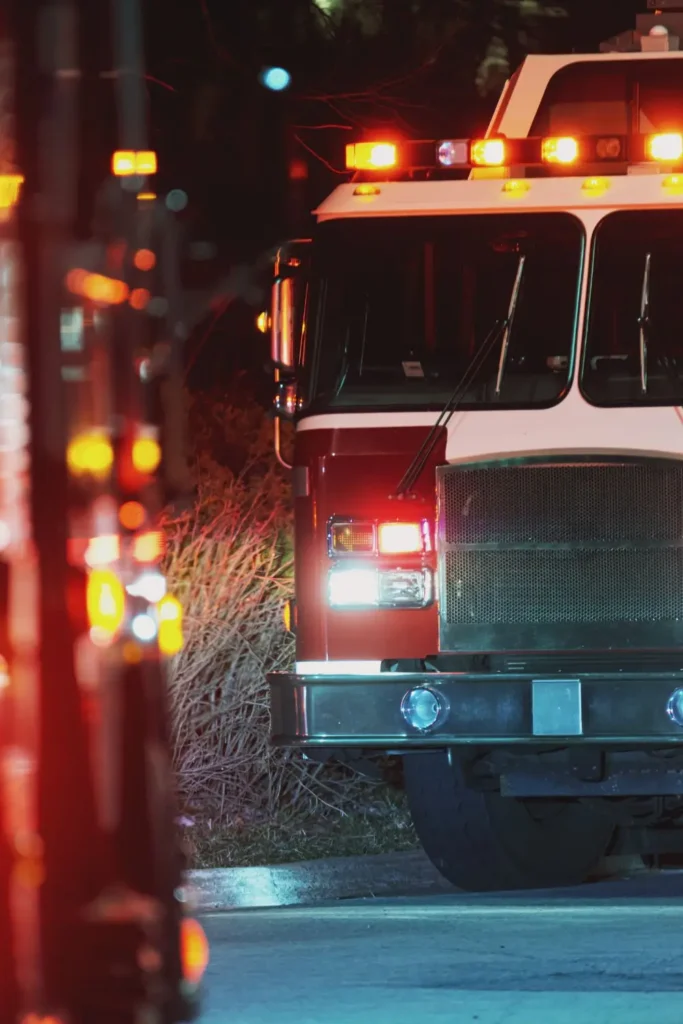
The Waterbury Fire Department responded on June 2, 2026, after neighbors reported smoke. First responders found the three-story wood frame structure on fire and established multiple attack lines. A third engine was called in. The roof was opened to release the smoke buildup.
According to Waterbury Fire Department officials, no civilians or firefighters were injured. How many residents were displaced was not disclosed. The Fire Marshal’s Office is investigating the cause.
Four pets, two cats and two dogs, were confirmed dead.
Why the Pets Did Not Get Out
This is the part most reports skip entirely.
People assume pets bolt for the door when a fire starts. They almost never do. Dogs panic and hyperventilate, inhaling smoke faster. Cats hide somewhere they feel safe, which usually means deeper into the building, not toward an exit.
Wood frame buildings burn fast and fill with smoke faster. By the time a pet senses real danger, the carbon monoxide and cyanide released from burning materials have already done most of the damage.
When the Building Itself Becomes the Problem
Older wood frame structures are not built to slow a fire. They burn.
When conditions force crews to open a roof and run multiple attack lines, the interior deteriorates in minutes. A roof collapsed mid-fight while firefighters were still inside a burning Texas house because the same construction gave way faster than expected.
In another case, a garage fire at an Amherst home turned complicated because of what was stored inside, slowing crew access at exactly the wrong moment.
The common thread is time. When conditions are worse than expected, the animals who cannot call for help are always left behind.
If you follow residential fire news, there is a WhatsApp channel worth checking. It covers stories like this as they break.
Why This Matters
This is not an isolated story.
According to the American Humane Society and the National Fire Protection Association, roughly 500,000 pets are impacted by home fires in the U.S. every year. Around 40,000 die, most from smoke inhalation.
When families are displaced, the Red Cross steps in. There is no equivalent system for pets.
The Pearl Street fire had no human casualties, a good outcome by every official measure. But four animals were alone in that building when the smoke reached them, with no window cling, no alert tied to their location, no plan.
That gap exists in most homes. A Springfield Township fire that hospitalized one person and damaged a neighboring home is a reminder of how fast one structure fire escalates. The faster it moves, the less time anyone has.
Key Takeaways
- Fire broke out at approximately 5 p.m. on June 2, 2026, on Pearl Street in Waterbury
- Three-story wood frame building required multiple attack lines and roof ventilation
- Two cats and two dogs died. No human injuries reported
- Cause still under investigation by the Fire Marshal’s Office
- Pets rarely escape fires alone. They hide, and the smoke finds them
- Roughly 40,000 pets die in U.S. residential fires every year, mostly from smoke inhalation
Should fire departments have a required protocol for pet rescue in residential fires, or is that asking too much of already stretched crews? Drop your take in the comments.
Wrapping Up
Four pets, one Tuesday, thirty-three minutes. The people got out. The animals did not.
If this kind of story is your thing, Build Like New covers community safety and the human side of stories that usually get a two-paragraph treatment. Worth bookmarking.
Follow Build Like New on X (Twitter) and join the conversation on the Facebook community. That is where these stories get discussed as they break.
Disclaimer: This article is for informational purposes only. All details are based on publicly available reports at the time of publication. The Fire Marshal’s investigation is ongoing.