Katy Woman Dies After Tesla Plows Through Her Home, Driver Injured
A normal Friday night in Katy turned tragic in seconds.
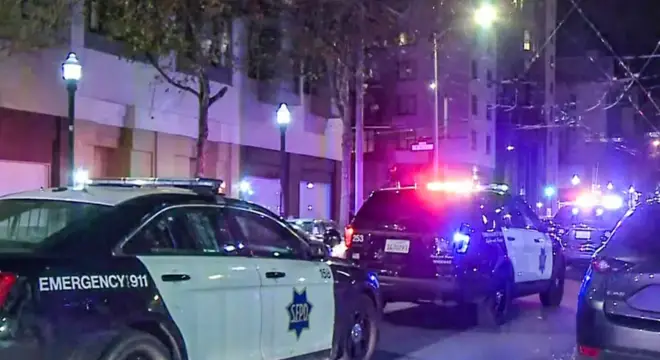
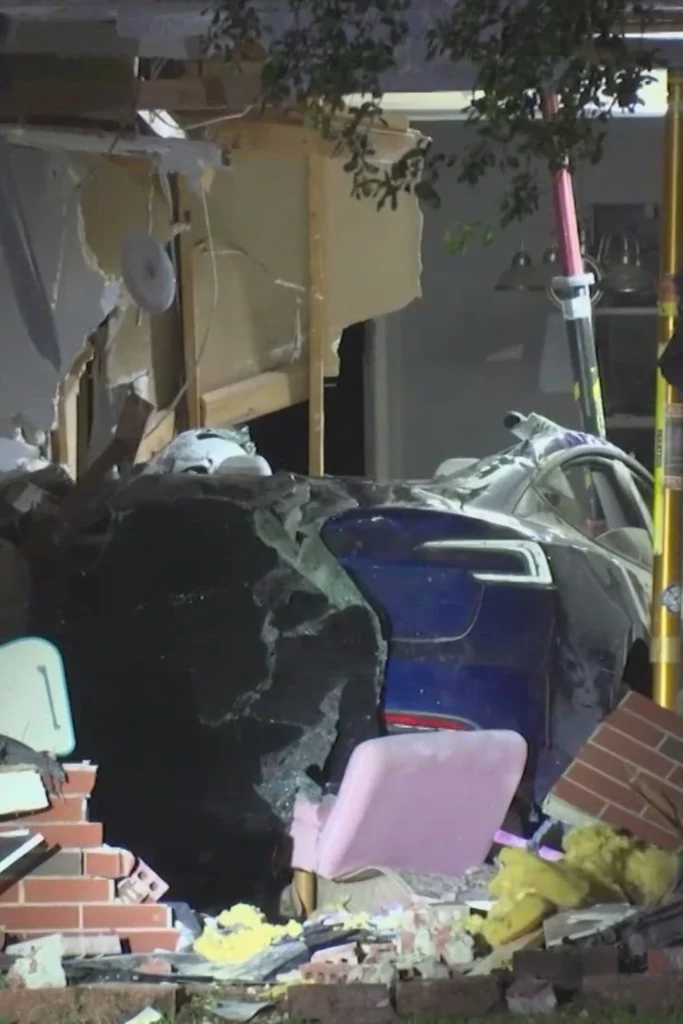
Around 8:30 PM, a Tesla left the road and slammed straight into a home on Rose Hollow Lane in the Westgreen Park area. A woman in her mid-70s was inside her own living room when it happened. She never had a chance.
This is the kind of story that makes you stop scrolling. Not because it’s rare, but because it could happen to almost anyone sitting at home, doing nothing wrong.
What We Know So Far
According to the Harris County Precinct 5 Constable’s Office, the Tesla crashed into the house near Park Brush Lane. The driver told investigators he had the vehicle on autopilot at the time.
He was rushed to the hospital by ambulance. The woman was airlifted to Memorial Hermann, but doctors couldn’t save her. Harris County Sheriff Ed Gonzalez confirmed her death shortly after.
Neither the driver’s name nor the victim’s has been released yet. The investigation is still active, and officials haven’t said what exactly went wrong.
What we do know lines up with several local reports, including the one from ABC13’s coverage of the Katy crash, which confirms the timeline and the driver’s autopilot claim.
“It Was On Autopilot” Isn’t a Free Pass
Here’s something a lot of people don’t realize. Saying a car was “on autopilot” doesn’t change who’s legally responsible.
In Texas, and pretty much everywhere else, the person behind the wheel is still the driver. Even if a system is steering, braking, or adjusting speed, the law treats the human as the one in control.
Crash investigators who’ve handled similar cases say the same thing every time. There’s no built-in excuse just because a piece of software was running. You’re still the one who’s supposed to be paying attention.
That detail matters here. It’s likely to come up again as Harris County investigators dig deeper into what actually happened that night.
If you want incidents like this in your feed the moment they break instead of a day later, there’s a WhatsApp channel that’s been sharing quick home safety updates like this one as they happen.
This Isn’t the First Time, and It Won’t Be the Last
Tesla’s driver-assist systems have been under federal scrutiny for a while now, and it’s only gotten more serious.
The National Highway Traffic Safety Administration recently upgraded its investigation into Tesla’s Full Self-Driving software to a full Engineering Analysis, covering more than 3 million vehicles. That’s the last step before regulators can force a recall.
The concern is that the system sometimes fails to detect things like glare, fog, or dust in time to warn the driver. Nine crashes tied to this issue have already been documented, including one death and at least one serious injury.
So no, this Katy crash isn’t an isolated, freak accident. It’s part of a pattern regulators are actively trying to understand.
Why This Matters
Most of us think about home safety in terms of break-ins, fires, or bad weather. We rarely think about a car coming through the wall.
But it happens far more often than people assume. According to data compiled from the Storefront Safety Council’s research on vehicle-into-building crashes, cars crash into buildings roughly 60 times a day across the US, killing as many as 500 people a year and injuring thousands more.
That’s not a fringe statistic. That’s somebody’s living room, somebody’s kitchen, somebody’s front porch, on an ordinary evening.
It’s not always a stranger breaking in either. Sometimes a homeowner ends up defending their own home after a vehicle comes through the wall, the way it played out when a homeowner opened fire after an SUV crashed into his San Tan Valley home.
Sometimes it’s not even a malfunction. In Fresno, a suspect fleeing police three times ended up crashing straight into a family’s living room, with the family lucky to walk away unhurt.
Then there are the quieter, scarier versions of this story, like the night a Wilmington family woke up to emergency crews outside their home after a car crashed straight into it while they were sleeping.
When you add semi-autonomous driving tech into that mix, software that’s still being investigated for failing to detect hazards, the risk to homeowners becomes something worth paying attention to, not just shrugging off as bad luck.
What do you think, should companies face more accountability when a driver-assist feature is involved in a crash like this? Let us know in the comments.
Key Takeaways
- A Tesla crashed into a Katy home Friday night, killing a woman in her mid-70s
- The driver says the car was on autopilot; he was hospitalized
- Texas law still holds the driver responsible, regardless of driver-assist features
- NHTSA is actively investigating Tesla’s FSD software across 3.2 million vehicles
- Vehicle-into-home crashes happen roughly 60 times a day nationwide
A Few Thoughts Before You Go
Stories like this hit differently when you realize the victim wasn’t driving, wasn’t speeding, wasn’t doing anything risky. She was simply home.
If you live near a busy road, a curve, or a driveway that backs onto traffic, it’s worth thinking about how exposed your home really is. Sometimes the biggest risks aren’t the ones we’re trained to watch for.
For more stories like this and what they actually mean for everyday homeowners, keep checking back with Build Like New, and follow along on X and Facebook for quicker updates.
Disclaimer: This article is for informational purposes only. Details of this incident are still developing, and facts may change as the investigation continues.