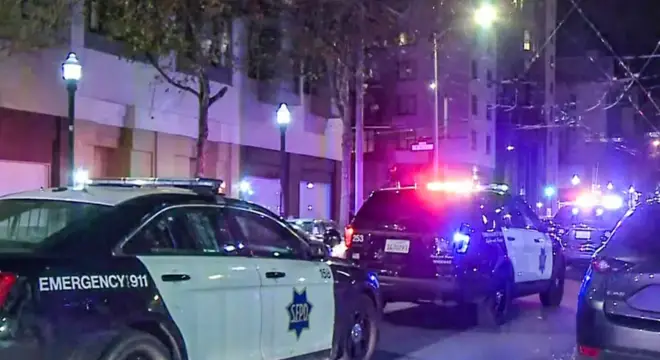
Vehicle Flies Through Parking Lots and Crashes Into Home in Calvert City. Here Is What Deputies Found
Most crash stories end with a damaged car and a police report. This one ended with a car inside someone’s house.
On the morning of June 19, 2026, something went very wrong on Benton Road in McCracken County, Kentucky. And the reason it happened is exactly what has people talking.
A Medical Emergency, Several Parking Lots, and a Car That Left the Ground
Gary Bradley, a Calvert City man, was driving southbound on Benton Road around 11:13 a.m. when he suffered a medical episode and lost control of his vehicle.
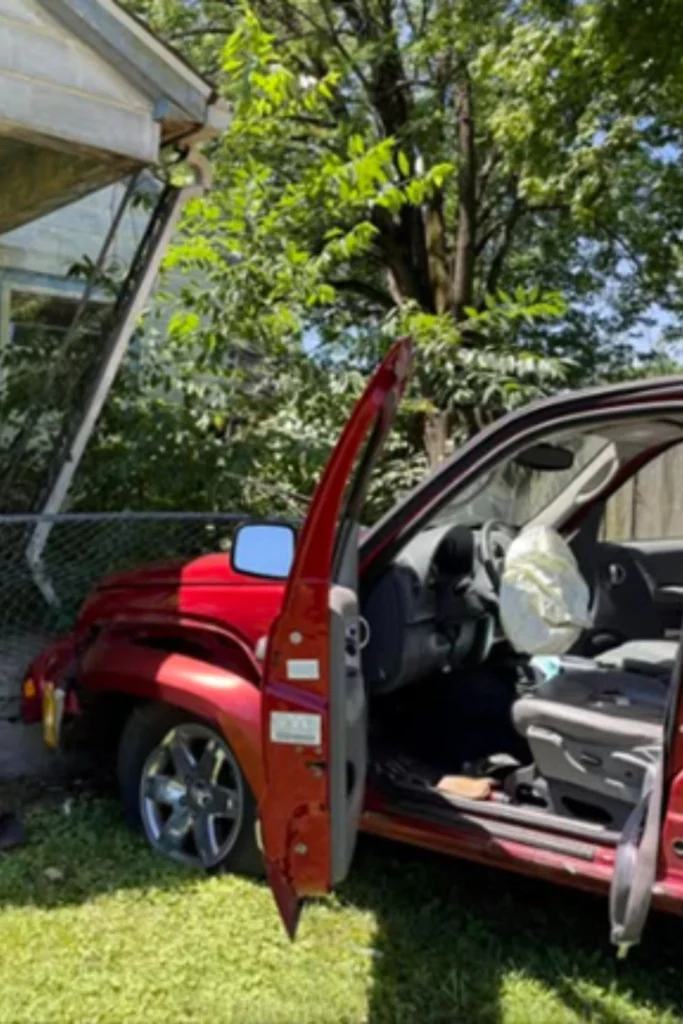
The car didn’t just veer off the road. It traveled through several parking lots, became airborne crossing Grogan Circle, and slammed into a nearby home.
Bradley was taken to a local hospital with non-incapacitating injuries. Fortunately, no one inside the home was hurt. The McCracken County Sheriff’s Office, Reidland Fire Department, Mercy Regional EMS, and Stinnett’s Towing all responded to the scene. Full details reported by KFVS12.
The driver survived. The home did not walk away clean. And the homeowner now has a situation most people have never thought about.
This Is More Common Than Anyone Wants to Admit
Here is what the news reports skipped entirely.
Medical emergencies behind the wheel are a documented, recurring cause of crashes across the US. According to NHTSA research, seizures account for 35% of these incidents, sudden loss of consciousness for 29%, diabetic emergencies for 20%, and heart attacks for 11%.
These crashes also tend to cluster in the morning hours, between 6 a.m. and noon. Bradley was driving at 11:13 a.m.
The bigger point: when a driver loses control due to a medical episode, the car doesn’t stop the way a braking car does. There is no reaction, no steering correction. The vehicle goes wherever physics takes it.
And sometimes, physics takes it airborne.
The Part Nobody Covered: What Happens to the Homeowner
Every outlet reported on the driver. Nobody asked what happens next for the person who owns that house.
When a car crashes into a private residence, the driver’s auto insurance property damage liability is supposed to cover the repairs. But here is the problem.
Most state minimum liability limits are shockingly low, often $25,000 or less. Structural damage from a vehicle hitting a home can run far higher than that.
If the driver’s policy doesn’t cover the full repair bill, the homeowner’s own insurance has to absorb the rest. And the homeowner still pays their deductible, for damage they did nothing to cause.
There is also the question of liability when a medical emergency is involved. Many states allow drivers to use a “sudden emergency defense” if the episode was genuinely unforeseeable. That can complicate a homeowner’s ability to recover full costs through the driver’s insurer.
If you follow stories like this and want real updates as they break, the WhatsApp channel is worth checking out. Good place to stay ahead before the news cycle catches up.
Why This Matters
This is not just a Kentucky story.
According to data released by Advocates for Highway and Auto Safety based on NHTSA findings, 39,254 people were killed and 2.42 million more were injured in US motor vehicle crashes in 2024 alone. Early 2025 estimates put crash-related deaths at 36,640, still devastatingly high.
Crashes caused by medical emergencies are a slice of that number. But they carry a specific danger that distracted or impaired driving crashes don’t: the driver has zero control from the moment the episode begins. The car goes where it goes.
Most homeowners carry solid coverage, but very few have ever thought through what happens when a car comes through the wall.
The gap between what the driver’s auto policy covers and what the actual repair costs can leave a family stuck paying for someone else’s emergency.
That is the part of this story worth sitting with.
Key Takeaways
- Gary Bradley of Calvert City suffered a medical episode while driving southbound on Benton Road on June 19, 2026
- The vehicle traveled through multiple parking lots, went airborne at Grogan Circle, and crashed into a home
- Bradley sustained non-incapacitating injuries; no one inside the residence was hurt
- Seizures, loss of consciousness, and diabetic emergencies account for the vast majority of medical emergency crashes, per NHTSA data
- When a car hits a home, the driver’s auto liability coverage pays first, but low policy limits can leave the homeowner covering the gap out of pocket
- Many states recognize a “sudden emergency defense” that can limit driver liability in cases like this
What would you do if a car ended up inside your home tomorrow? Do you know what your homeowner’s policy actually covers in that situation? Drop your answer in the comments. Would genuinely like to know what people think about this one.
If this kind of story is your thing, Build Like New covers real-world property stories, homeowner risks, and the situations most outlets miss. Worth bookmarking at buildlikenew.com.
For more as stories break, follow Build Like New on X (Twitter) and join the conversation on the Facebook community.
Disclaimer: This article is for informational purposes only. All details are based on publicly available reports at the time of publication.