One Family Lost Their Home in Vilano Beach. Now the Whole Neighborhood Is Demanding Fire Hydrants From St. Johns County
A home burned to the ground while firefighters waited for water that was too far away and too weak to matter. That is not just a fire story. That is an infrastructure failure.
On June 16, 2026, St. Johns County Fire Rescue responded to a house fire on Zamora Street in Vilano Beach at around 4:31 a.m. Three occupants escaped. The home collapsed and was a total loss. Two neighboring homes were evacuated.
Everyone got out. But that feels more like luck than outcome.
What Happened That Morning
Crews arrived to find the structure already burning hard. The building partially collapsed and firefighters pulled back to defensive operations, shifting focus from saving the house to stopping the spread.
The reason it got that far has nothing to do with the firefighters.
The nearest hydrant to Zamora Street was more than 1,000 feet away. St. Johns County code requires no home to be more than 600 feet from one. By the county’s own standard, this neighborhood was out of compliance before the first flame.
The Water Never Came Fast Enough
Crews connected to hydrants several blocks away and trucked water in. Even then, the pressure was not enough.
Neighbor Edward Raffaniello said firefighters were visibly frustrated, waiting 10 to 15 minutes just to get water to their pump lines.
Resident Jon Hunt, who started the community petition, put it plainly: “We all knew we didn’t have fire hydrants in this area. I don’t think any of us realized the impact a fire would have and how difficult it would be for the fire department to get water on the flames.”
That sentence says everything.
This Was Not a Surprise. It Was a Setup.
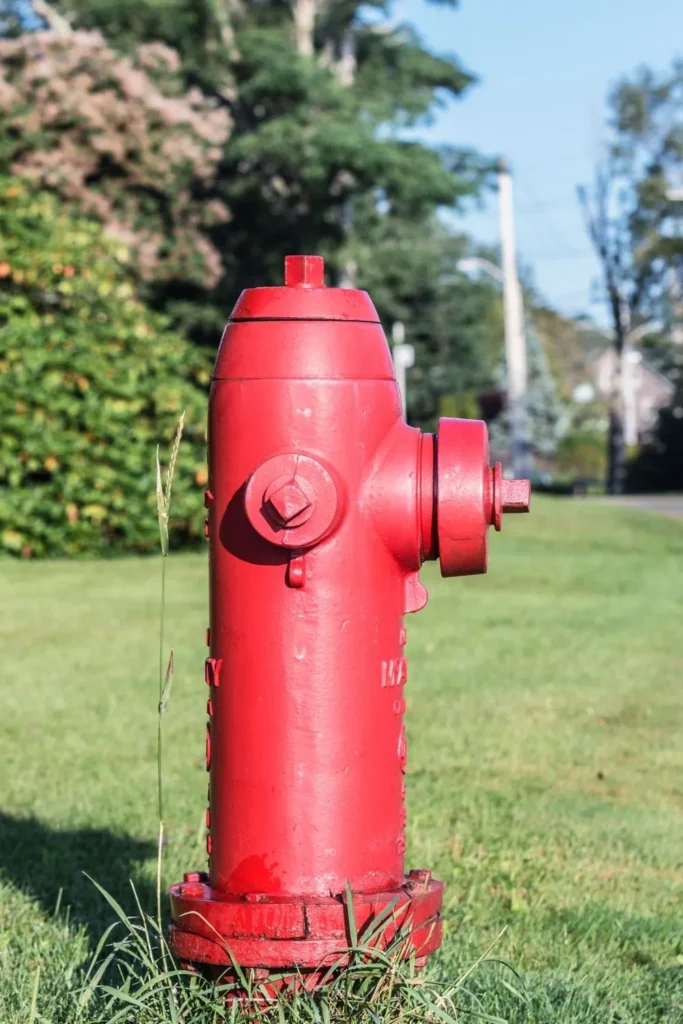
The homes here were built before the county updated its code to require hydrants every 660 feet. When St. Johns County took over the area’s water system from a private utility, it inherited undersized pipes.
Those pipes are the real problem. Water mains need to be at least 6 inches in diameter to support a hydrant. Many lines here are smaller, which means full infrastructure upgrades are required before a single hydrant can go in.
Raffaniello pointed out that residents believe impact fees collected locally have never been reinvested here. “We may have a million dollars plus out here in impact fees, but it hasn’t been spent out here,” he said. “All we’re asking for is the basic needs of fire hydrants.”
According to reporting from News4JAX, the county launched an engineering analysis expected to take six weeks. No interim safety measure has been announced while they study it.
This pattern keeps showing up. A Durham family learned just how fast fire moves through a home when someone is still inside, and the outcome often comes down to response conditions families have no control over.
If home safety and accountability stories are on your radar, there is a WhatsApp channel that covers these developments before the news cycle catches up.
Why This Matters
This is bigger than one neighborhood.
According to the National Fire Protection Association’s 2024 fire loss data, residential fires caused $11.7 billion in direct property damage in the U.S. in 2024.
NFPA also reports that fire departments in communities under 2,500 people face fire rates more than twice the national average, partly because code enforcement in older neighborhoods is weaker.
Vilano Beach fits that pattern exactly.
The same reality played out when a Sterling family lost everything to a fire started by a single power strip and when a Sunland Park home’s attic caught fire late at night before anyone nearby noticed the smoke. Each time, the fire moved faster than the safety net around it.
Raffaniello asked the question this community is sitting with: “Are they gonna wait until somebody dies in a fire before they do something?”
Given the facts, that is not dramatic. It is fair.
Key Takeaways
- Fire on Zamora Street, June 16, 2026, at approximately 4:31 a.m.
- Home is a total loss. Three occupants escaped safely.
- Nearest hydrant was over 1,000 feet away. Code requires one within 600 feet.
- Water pressure from tanker trucks was still too low to stop the fire.
- County inherited undersized pipes when it took over the private water system.
- Full water main upgrades needed before any hydrant can be installed.
- Engineering analysis underway. Results expected in six weeks.
- Petition has 200+ signatures headed to St. Johns County Commission.
Should a neighborhood have to lose a home before a county fixes its water infrastructure? What do you think St. Johns County owes these residents? Drop your take in the comments.
Wrapping Up
The family on Zamora Street lost their home. Two neighbors were evacuated in the middle of the night. The community is still waiting for more than a written statement.
When firefighters arrive and cannot get water, that is not bad luck. That is a gap someone had the information to close.
If stories like this are your thing, Build Like New covers what happens to homes and the people in them when systems fail. Worth bookmarking.
For more as stories develop, follow Build Like New on X (Twitter) and join the conversation on the Facebook community. That is where these stories get discussed as they break.
Disclaimer: This article is for informational purposes only. All details are based on publicly available reports and official county statements at the time of publication.