Charging E-Bike Blasts Sparks Across the Living Room and Sets Couch on Fire in Bristol Township
On the morning of July 3, 2026, a family in Bristol Township, Bucks County, Pennsylvania woke up to the sound of an explosion inside their own home.
The source was not a gas leak or a faulty appliance. It was an e-bike battery that was charging on their living room floor.
According to police, the incident happened at around 10:05 a.m. on Aspen Lane. The e-bike belonged to a friend of the homeowner’s son who had stayed overnight. Nobody thought twice about leaving it plugged in.
Sparks, Flames, and a 20-Foot Jump
When the battery exploded, sparks and flames flew roughly 20 feet across the room, landing directly on a couch and ottoman. The fire spread fast.
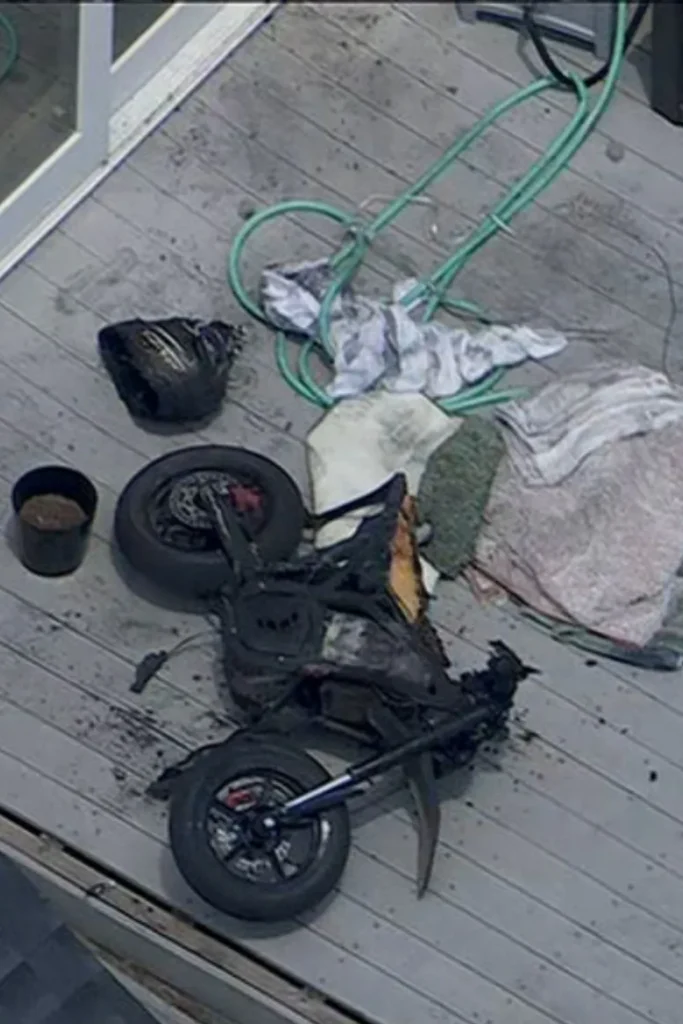
One person tried to drag the burning bike out through a rear door and used a garden hose to douse the flames. It did not work. The bike kept re-igniting even after being soaked with water.
The rest of the family had no safe way down. Some of them jumped from a second-floor window to escape. One person suffered minor burns and cuts. Everyone got out, but barely.
The home suffered heat damage throughout. Investigators confirmed the battery had been replaced just a few days before the fire. The investigation is still ongoing.
Why This Matters: This Is Not a One-Off Incident
What happened in Bristol Township is not rare. It is part of a pattern that fire safety researchers and federal regulators have been warning about for years.
According to data analyzed by UL Standards and Engagement, e-mobility battery fires in New York City alone between 2019 and 2023 resulted in 465 incidents with an estimated economic toll of up to $518.6 million.
That figure includes $257.9 million in fatalities, $220.7 million in injuries, and $40 million in structural damage. And that is just one city.
Fires caused by reckless decisions do not just destroy property. They put entire families in danger in seconds.
A Texas man who set his own house on fire and then attacked neighbors with a blowtorch is another case that shows how fast a fire incident can escalate beyond just the home where it starts.
More than half of e-bike owners do not know their device runs on a lithium-ion battery. That awareness gap is directly connected to how these fires start and why they spread so fast.
A Recently Replaced Battery Is Not Always a Safer Battery
The detail investigators flagged in this case is important. The battery had been replaced just days before the fire.
Third-party or mismatched replacement batteries are one of the leading causes of lithium-ion thermal runaway. When a battery is not properly matched to the bike or charger, the risk of uncontrolled overheating increases significantly.
Once thermal runaway begins, it can escalate from cell venting to full ignition in under 15 seconds. Water does not stop it. A standard fire extinguisher will not stop it. The only safe option is evacuation.
The CPSC has documented multiple e-bike fire incidents where batteries ignited while not even in use or charging. NBC10 Philadelphia reported that the Bristol Township family tried to fight the fire themselves before realizing it was beyond control.
What Every E-Bike Owner Should Know Right Now
Never charge an e-bike indoors overnight or in a room with upholstered furniture. Garages, outdoor spaces, or dedicated charging areas are much safer.
Do not use a replacement battery unless it is officially certified for your specific e-bike model. Off-brand or cheaper batteries are a serious fire risk.
Fires do not always start the way you expect. When a fire truck slammed into an apartment building in West Haverstraw and left the first floor in ruins, it was another reminder that structural damage from fire-related incidents can happen without warning.
Having a clear evacuation plan matters.
If your battery starts smoking or swells, do not touch it and do not pour water on it. Get everyone out immediately and call 911.
Keep a working smoke alarm on every floor. In this Bristol Township fire, the family heard the explosion, but in many other cases, smoke alarms are what wake people in time.
If you want to stay updated on home safety incidents as they break, there is a WhatsApp channel that covers real-time fire and property safety news worth following.
What This Fire Tells Us in 2026
A family jumped from a second-floor window because of a battery that cost a few hundred dollars and was charged in a living room. The risk is real, the incidents are increasing, and most people still do not take e-bike battery safety seriously enough.
The battery in this fire had been replaced just days earlier. It was not old. It was not damaged visibly. It exploded anyway.
The human cost of fires like this is hard to put into words. A Texas family who lost everything in a house fire and found nothing left in the ash is a story that stays with you. That kind of total loss can happen to anyone.
E-bikes are not inherently dangerous. But how people charge and maintain them, especially with third-party batteries, is where things go wrong. And when they go wrong, they go wrong fast.
Have you or someone you know had a close call with an e-bike or any lithium battery at home? Share what happened in the comments. These real experiences help other readers understand the risk in a way that statistics simply cannot.
For more home safety news, fire incident coverage, and property security updates, visit Build Like New. Follow us on X and join the conversation on our Facebook page where we share updates, discuss stories like this one, and keep the community informed.
Disclaimer: This article is for informational purposes only and is based on publicly available information from official sources and news reports.