Houston Just Approved 91 Million Dollars for Generators at 22 City Sites and Homeowners Have Questions
When Hurricane Beryl hit Houston on July 8, 2024, people died. Not just from the storm itself but from the heat that followed. Power went out for nearly 3 million people.
Hundreds of thousands were still without electricity a week later. At least 36 people died across Texas, with half the Harris County deaths directly tied to the loss of air conditioning.
These were not deaths from wind or flooding. These were people sitting in their homes, in July, in Texas, with no power and no relief coming fast enough.
Houston is now trying to make sure the city’s own buildings never go dark again.
The Night Houston’s Own Buildings Failed
When the storm passed, something uncomfortable came to light. Of Houston’s 13 multiservice community centers, only 1 had a backup generator. None of the city’s 90 fire stations had one either.
Mayor Whitmire said it plainly. He learned that during the derecho, firefighters could not open their station doors because the power was out. First responders, locked out of their own building during an emergency.
A resident testified before City Council that a sewer lift station lost power during Beryl and raw sewage leaked into his neighborhood. This was not a hypothetical. It already happened.
What the City Is Doing Now
Houston is proposing to spend exactly $91,162,035 in federal CDBG-DR24 disaster recovery funds to install backup power and renewable energy systems at 22 city-owned facilities.
The funding runs through the Housing and Community Development Department to the General Services Department via a proposed Letter of Agreement. The 22 sites span the entire city and cover fire stations, police substations, libraries, and community centers.
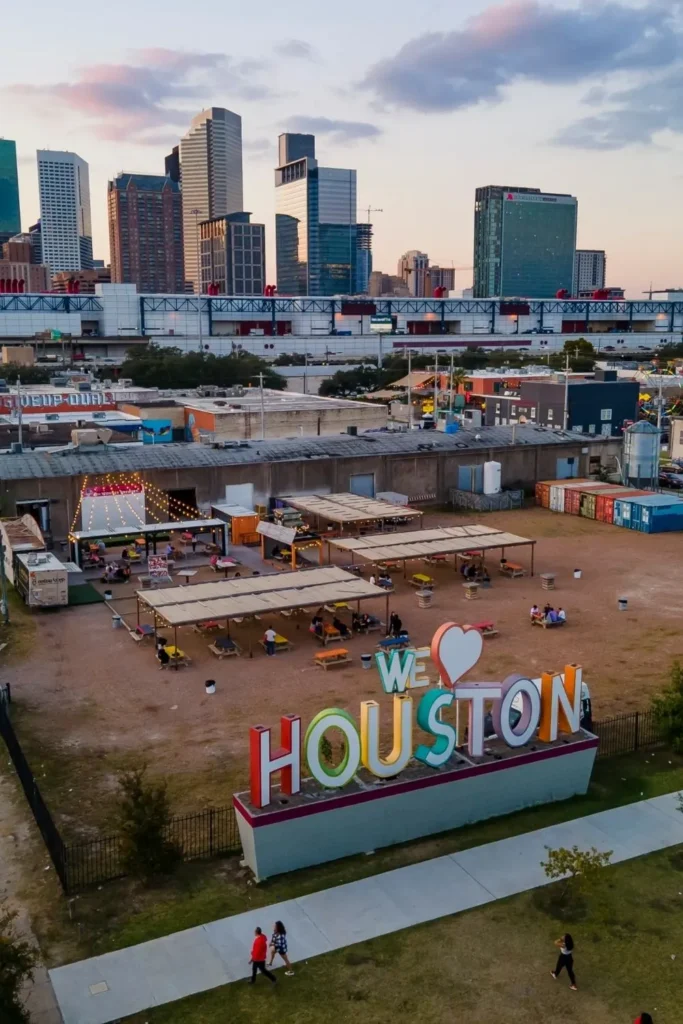
Some of the named locations include Fire Station 20 on Navigation Boulevard, the HPD Eastside Patrol Station on Sherman Street, the Fifth Ward Community Center on Market Street, Robinson-Westchase Library on Wilcrest Drive, Fire Station 68 on Bissonnet Street, the Southwest Community Center on Simsbrook Drive, the BARC Animal Adoption Center on Carr Street, and the HPD North Command Station on West Montgomery Road.
The proposal is currently in a 30-day public comment period running through July 24. Residents can submit written comments to Lisa Riley at [email protected] or call (281) 635-4144.
For the full breakdown of how Houston is allocating its disaster recovery dollars, Realtor.com has covered the complete $91 million proposal in detail.
The Fight Behind the Money
This did not happen easily. When Houston first received its $314 million federal HUD grant, the original city plan put exactly $0 toward housing, despite the city’s own report identifying home repair as the top unmet need after Beryl.
Community groups packed three public hearings. Council member Tiffany Thomas redirected $50 million from the generator program to housing, eventually doubling the housing allocation to $100 million.
That is why the power program landed at $101 million instead of the original $151 million.
Behind every infrastructure number is a real debate about whose pain gets addressed first. It is a pattern that shows up across the country whenever disaster money meets limited budgets.
When Frank Lloyd Wright’s only Tennessee home hit the market for the first time at $1.6 million, the story was about what gets preserved and what gets left behind. Houston’s generator debate was the same question, just with higher stakes.
If you follow city funding decisions and real estate moves as they happen, there is a WhatsApp channel that tracks these stories as they break. Worth having in your feed.
The relocation pressure Beryl created was real too. Around 40 percent of Greater Houston residents considered leaving after the 2024 storms.
That is the same kind of livability calculation behind stories like Peta Murgatroyd and Maks Chmerkovskiy listing their $18,000 per month California home after relocating to Florida. People move when a place stops feeling safe.
Why This Matters
A Rice University survey found that one in eight Houston residents was still reporting ongoing disruption from Beryl as of October 2025, more than a year after the storm.
Forty percent of Greater Houston residents surveyed said they had considered leaving because of the 2024 weather disasters.
When people leave, neighborhoods hollow out and property values follow. It plays out in real estate the same way it plays out in politics.
When Jaylen Brown listed his $5 million Boston penthouse as trade rumors intensified, the story was really about uncertainty pushing someone out. Houston residents facing a fourth day without power in July heat were making the same calculation.
The $91 million being spent today is a direct response to that. Hurricane season does not wait for construction timelines. The public comment window closes July 24. If you live near any of the 22 named facilities, you still have time to weigh in.
Key Takeaways
- Houston is proposing $91,162,035 to power 22 specific city-owned facilities
- Named sites include fire stations, police substations, libraries, and community centers across the city
- Systems will include both backup power and renewable energy components
- The proposal is part of a larger $101 million Power Protection Initiative using federal CDBG-DR24 funds
- Public comment period runs through July 24, contact Lisa Riley at [email protected]
- During Beryl, only 1 of 13 community centers had a generator
- At least 36 people died in Texas after Beryl, many from heat during prolonged outages
The city had to fight publicly just to get housing added to this plan at all. Did Houston get the balance right between generators and home repairs, or did people still waiting on roof repairs get shortchanged? Drop your take in the comments.
Wrapping Up
Two years after Beryl, Houston is still building the systems it should have had before the storm. Progress is real, but the next hurricane season is already here.
If stories like this are your thing, Build Like New covers city infrastructure, disaster recovery, and the real decisions behind big funding announcements. Worth bookmarking if you want more than just the headlines.
For real-time updates as these stories break, follow Build Like New on X (Twitter) and join the conversation in the Facebook community. That is where these stories get discussed as they happen.
Disclaimer: This article is for informational purposes only. All details are based on publicly available reports at the time of publication.