Wesley Chapel Neighborhood in Shock After Falling Tree Kills Man Inside His Own House
Nobody heard the tree fall. That’s what made it worse.
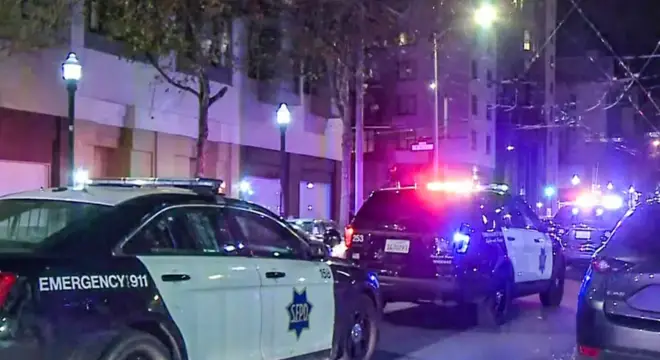
When Pasco County Sheriff’s deputies and Fire Rescue crews arrived at a home on Brisk Drive in Wesley Chapel just after 4:21 p.m., they found one person dead inside. The house was destroyed. No storm warning. No time to get out.
“My God, I Feel Very Bad”
A neighbor standing nearby still looked shaken when she spoke to reporters.
“They came out with a big saw. So I say, my God, maybe a tree or something. And now that I see their houses all awful, I mean, it’s completely destroyed,” she said, according to WTSP’s report from the scene.
She said she didn’t hear the tree fall. And she didn’t remember it raining much before it happened.
“My God, I feel very bad. I feel terrible. I was trying to see if I see somebody, but I couldn’t see anybody there.”
What’s worth noting: radar picked up lightning strikes in the area roughly 25 minutes before deputies got the call. Whether weather played a role is still under investigation. County officials had not responded to media questions at the time of reporting.
Why This Matters
This isn’t a story about one unlucky home. It’s about a risk most of us are quietly living with.
According to The Weather Channel’s analysis of NOAA storm data, falling trees killed 34 people across the United States in 2025, more than lightning that same year. Two of those deaths happened inside single-family homes, just like this one.
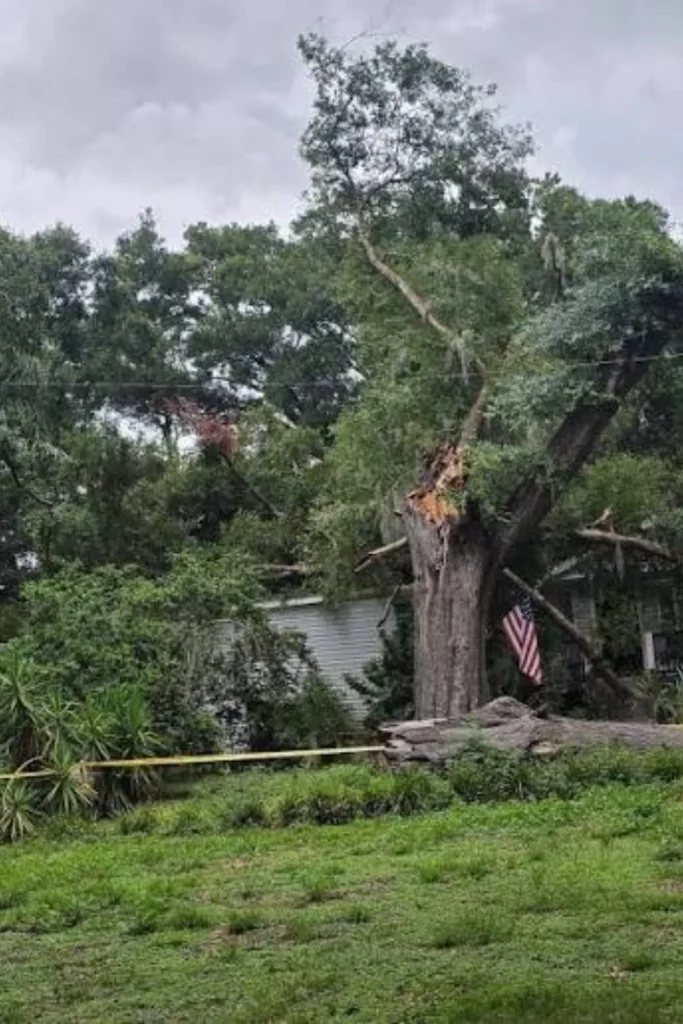
Florida sits at the center of this risk. Years of hurricane seasons have quietly weakened root systems across Pasco, Hillsborough, and Pinellas counties. Trees can look perfectly fine from the outside while structurally failing from within.
And Florida’s Fallen Tree Act, which would have shifted liability to the tree owner, was shelved in 2025 budget talks. Right now, if a neighbor’s tree falls on your home, the financial burden is likely yours.
It’s not always a storm that triggers the damage either. A car crash in Gnesen Township knocked out power for over 100 homes overnight, proof that what happens outside your home can hit hard inside it too.
Stories like this tend to break first on local WhatsApp channels covering home safety and neighborhood news. Worth having one in your notifications.
Three Signs Your Tree Could Be the Next One to Fall
You don’t need an arborist to spot these. Walk outside and look:
- Dead or hanging branches: Dry, lifeless limbs in rainy season mean that part of the tree is already gone.
- Fungi or mushrooms at the base: Visible growth means root rot is already active inside the trunk.
- A lean that wasn’t there before the last storm: If the angle shifted, the root structure below likely shifted too.
If you spot any of these, get a written assessment from a certified ISA arborist. That document matters legally and financially, especially if a neighbor’s tree is involved.
The threat to a home doesn’t always come from the sky. When a fire truck crashed into a New York home, five residents were displaced within minutes.
When a Lamborghini was shot at in Miramar and slammed into a home at 5 a.m., no one inside had any warning. A falling tree works the same way. It doesn’t knock first.
A Community Left Grieving
Mark Godsey’s family shared a statement after his death.
“The loss of Mark has left us all shocked and heartbroken. He was deeply loved by his family and friends, and his kindness, warmth, and presence touched the lives of so many. His memory will live on in the hearts of everyone who had the privilege of knowing him.”
No other injuries were reported at the scene.
A GoFundMe has been set up for the family. Search Mark Godsey on GoFundMe to find it.
Before You Scroll Past This
Walk outside this week. Look up at the trees near your home, especially any that made it through the last hurricane season without being checked.
The neighbor at the scene said she didn’t hear it fall. That’s the part that stays with you.
Have a tree near your home that’s been on your mind? Drop a comment below. Your experience might help someone else in the same situation figure out their next step.
For real stories about what’s happening to homes across the country and what you can do about it, follow Build Like New on X (Twitter) and Facebook.
Disclaimer: This article is for informational purposes only.