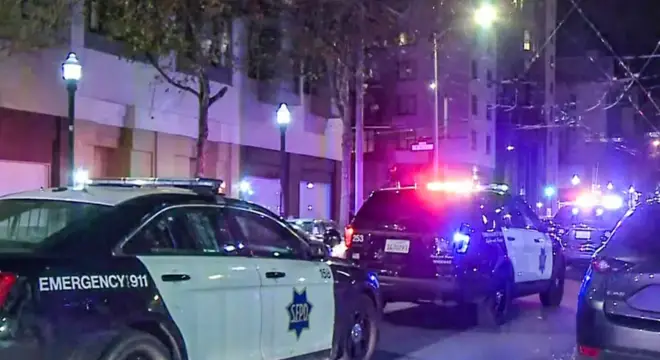
200 People Forced Out of Their Homes After Railroad Fire Spreads Into a Residential Area in Roy
On Monday afternoon, a passing train sent sparks flying along a railroad corridor in Roy, Utah. Within hours, three families had nothing left to go back to.
The fire broke out around 2:30 p.m. near 4300 South and 2675 West, a quiet residential stretch sitting dangerously close to an active rail line. Dry July grass did the rest.
What Happened
North Davis Fire Chief Mark Becraft confirmed that sparks from a “hot train,” likely from overheating brakes, ignited multiple fires along the tracks first. Those fires jumped to dry grass, and the grass carried them straight into the neighborhood.
Three homes are a complete total loss. Several others took exterior damage. Around 200 residents were forced out, some directed to a nearby elementary school, with a cooling center opened at a local LDS church.
According to FOX 13 Utah, it’s still unclear whether the train was a Union Pacific freight train or a FrontRunner commuter. Both share that rail corridor. The investigation is ongoing.
FrontRunner service was delayed 20 to 35 minutes in both directions. A bus bridge went up between Roy and Clearfield stations. Westbound Hinckley Drive at 1900 West was also shut down.
How a Train Does This
Most people don’t realize trains are a documented fire risk, especially in summer.
When brakes overheat or brake shoes wear down, metal hits metal and throws sparks. On a dry July afternoon in northern Utah, that’s all it takes. Fire doesn’t need much of a head start to become uncontrollable. The Scottsdale house fire that killed two dogs earlier this week showed just how fast a residential fire can outpace any response.
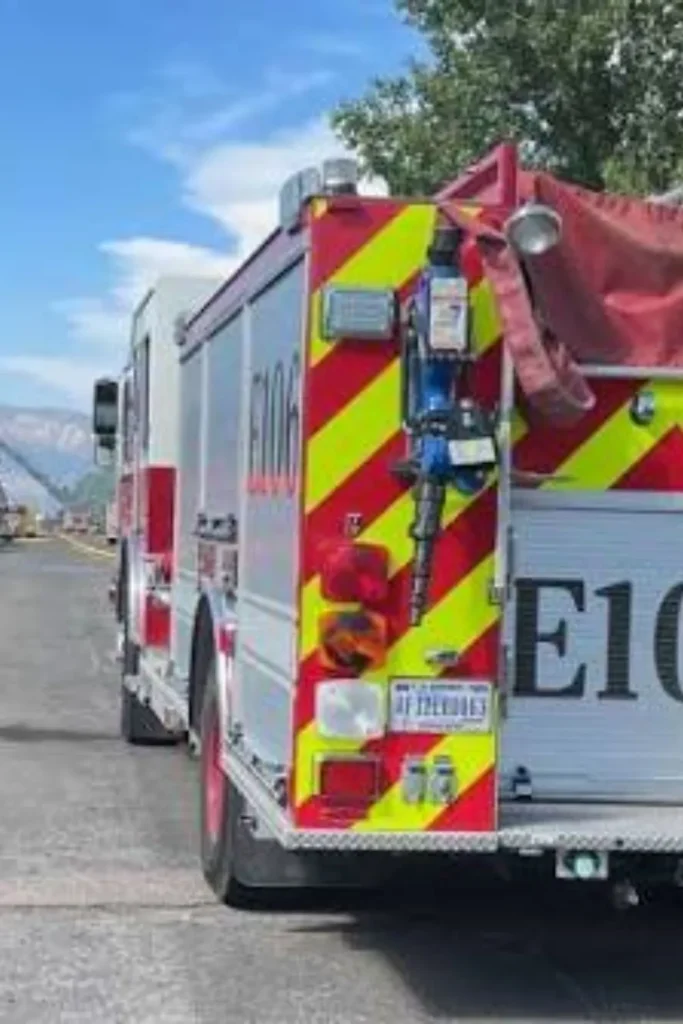
This isn’t a fringe event. In June 2025, sparks allegedly from a Union Pacific locomotive ignited the Rowena Fire in Oregon. It burned over 3,600 acres and destroyed 56 homes.
Why This Matters
Neighborhoods near rail corridors carry a fire risk most homeowners never think about until it’s too late.
A 2025 ScienceDirect study tracking wildfire risk to California railways found that railway braking and infrastructure are active ignition sources, not passive bystanders.
The Federal Railroad Administration has flagged hundreds of brake-related defects in routine inspections across rail lines.
Roy is a reminder that this is a residential issue, not just a wilderness one. What makes it worse is the evacuation gap. Two hundred families moved out with almost no warning window.
That same scramble played out when the Bishop Castle caretaker spent weeks unable to return home after the Aspen Acres fire, a situation that showed how long the aftermath of a fast fire really lasts.
If you track residential fire stories as they happen, there’s a WhatsApp channel that covers these without the usual news delay. Worth adding to your feed.
What Homeowners Near Rail Lines Should Do Now
You don’t have to live in the mountains to be at risk. If a rail corridor runs near your neighborhood, these steps matter:
- Clear dry grass and brush from your property perimeter before peak summer. It’s a small job that matters more than most people think. A weed burner caused $30,000 in damage to a Minnesota home in minutes from a single uncontrolled spark.
- Know your nearest evacuation route before you need it. Don’t figure it out mid-emergency.
- Sign up for Weber County emergency alerts through local emergency management.
- Review your homeowner’s insurance policy for fire coverage scope.
- Document your home and belongings now with photos and video. It speeds up any future claim.
What Comes Next
Roy residents are still waiting on answers. Who operated the train, whether brake maintenance was up to code, and who bears accountability for three families now without a home.
Those are questions that deserve real follow-up, not just a brief in the evening news.
If you live near a rail line anywhere in the U.S., what this week in Roy should make you do is check your evacuation plan today, not after the next fire.
Were you near the Roy fire Monday? Did you get any warning before the smoke reached your street? Drop what you saw in the comments. Firsthand accounts matter when the official story is still incomplete.
For more stories on residential fires, home safety, and what actually protects a home when things go wrong, follow Build Like New on X and Facebook. We cover these as they break, without the filler.
Disclaimer: This article is for informational purposes only. All details are based on publicly available reports at the time of publication. The investigation into the fire’s cause is ongoing. Follow official updates from North Davis Fire District and Weber County Emergency Management.