Pennsylvania Farmhouse Buyers Got the Shock of Their Lives After Snakes Took Over the $460K Property
Tyler and Lauren Bouldin bought their 1830s stone farmhouse on Halloween 2020. The symbolism was lost on them at the time.
The property sits in Pine Grove, a small town of roughly 2,000 people in the heart of Central Pennsylvania. The home is a 6,000-square-foot, six-bedroom, five-bathroom stone house that had sat completely empty for over a decade. The Bouldins paid $460,000 at auction. They’d seen it twice.
The Home Was Already a Gut Job
No floors on the main level. The grand staircase was collapsing. The kitchen was entirely gone. Full replumbing and rewiring, from scratch.
For the first six months, the couple and their two children lived in an on-site caretaker cottage just to stay close enough to work.
What Nobody Told Them Before Closing
The house hadn’t just sat empty. It had been claimed.
“When we bought our house, we didn’t realize that we were also buying a large population of snakes,” Tyler joked in one TikTok video.
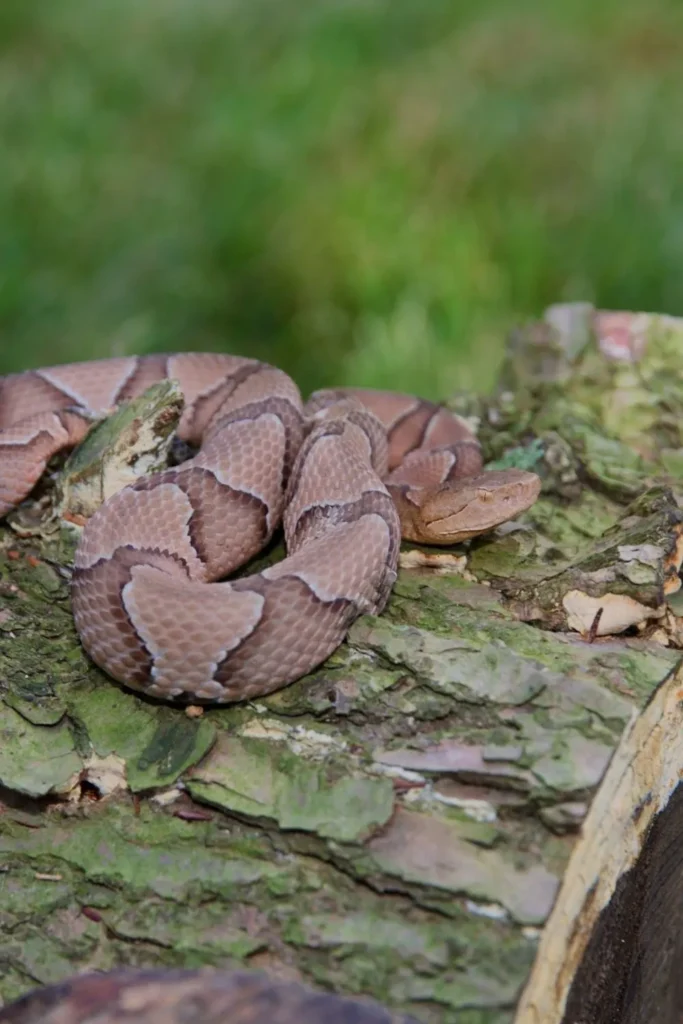
Black snakes. Copperheads. Timber rattlesnakes. Years of abandonment had turned the property into a wildlife buffet, with frogs, mice, and rabbits thriving in the overgrowth and every predator that follows them.
Tyler’s TikTok videos, posted under @ouroldhouse, show snakes climbing the exterior walls, crossing the front steps, and moving freely across the property.
“If you find yourself in this situation, the right response is not to burn the entire property to the ground as so many people have suggested,” Tyler said.
What made things more complicated: the species were nesting together. Tyler had initially left the non-venomous black snakes alone, believing they kept the copperheads and rattlesnakes at bay. Then he found them sharing the same nests.
Among those confirmed on the property were copperheads, one of the most misidentified venomous snakes in the US. Most homeowners who encounter one cannot tell a copperhead from the harmless species living right beside it.
Could an Inspection Have Caught This?
Probably not, and that’s the part most buyers overlook.
Standard home inspections are visual and non-invasive. Per InterNACHI and ASHI guidelines, wildlife and animals are not part of the standard scope. Inspectors can note signs like shed skins or droppings, but only if visible.
Auction homes often skip the inspection window entirely. And if a property sat abandoned for years, the seller may have had no knowledge of the infestation, removing any legal disclosure obligation under Pennsylvania’s Real Estate Seller Disclosure Law.
This isn’t a one-off situation either. When a fire broke out in North Charleston, 19 dangerous snakes were found living inside the walls of the home, completely hidden until the structure was opened up.
Once closing happens, the buyer owns everything. Including what’s living inside the walls.
Why This Matters
The Bouldins’ story is dramatic, but the pattern is not rare. According to Clever Real Estate’s 2024 Homebuyer Report, 82% of Americans who bought a home in 2023-2024 had at least one regret, and 35% said the seller wasn’t upfront about the home’s true condition.
Auction homes amplify every one of these risks. No inspection window, limited disclosures, buyer beware once the gavel falls.
If this kind of story is what you follow, there’s a WhatsApp channel that covers real homeownership cases and property surprises as they happen. Worth checking if it’s useful to you.
What the Bouldins Actually Did
They didn’t leave. They got methodical.
Tyler bought a snake grabber to relocate snakes from the yard. The couple spent every free hour clearing lawn debris, stone walls, and overgrowth that snakes were nesting in.
They planted mint around the house and barn, which naturally deters snakes. They adopted two cats to manage the rodent population that was drawing snakes in the first place.
The biggest move was removing an old in-ground pool that had become a home for water snakes, restoring the pond with proper filters and fountains, and sealing every gap in the foundation of the house and barn.
“We removed our dangerous in-ground pool, restored the pond, closed up all of the holes in the house and barn, and even planted mint around the structures,” Tyler told People.
Five years later, it worked. And in 2025, Tyler’s parents bought the stone cottage next door. That’s not the ending of a horror story. That’s a family putting down roots.
Before You Buy an Old or Abandoned Property
- Old stone homes have natural foundation gaps. Ask specifically about wildlife entry points before closing.
- Hire a pest or wildlife specialist separately from your standard inspector.
- Overgrown land, ponds, and debris piles are ecological flags, not just landscaping problems.
- For auction homes, push for even a basic walkthrough before bidding.
- Talk to neighbors. In rural areas, they know the property’s full history.
- If you already own land near woods or water, these 7 practical steps can stop snakes from making your yard their permanent home.
Have you ever discovered something unexpected after closing on a home? Drop it in the comments. Real stories from real buyers are more useful than any checklist.
For more stories like this as they break, follow Build Like New on X and Facebook.
Disclaimer: This article is for informational purposes only.