DUI Driver Crosses Four Lanes and Crashes Into Stockton Home in a Wake-Up Call for Garage Safety
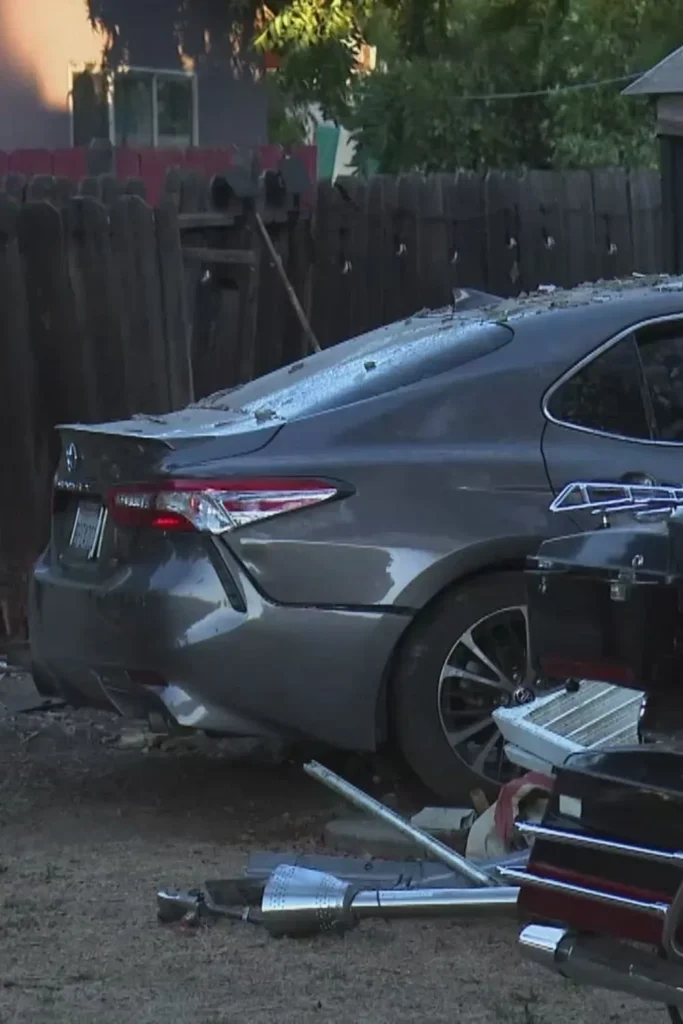
Two people were inside a Stockton home on Wednesday evening when a speeding driver lost control, crossed four lanes of traffic, tore through a fence, and slammed straight into their garage.
The impact, they said, sounded like an airplane landing into the house.
They walked out unhurt. But that is not the part of this story that should keep you up at night.
What Happened on West Swain Road
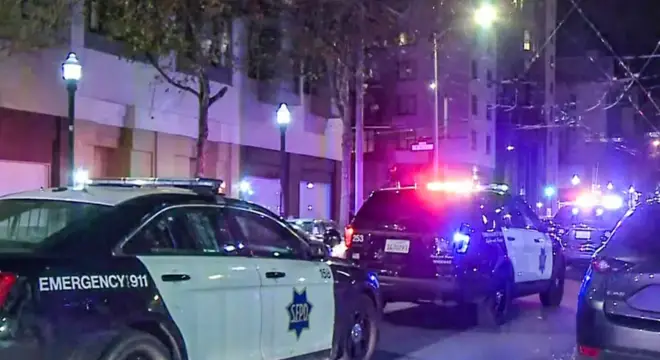
Just before 5:30 p.m., near West Swain Road and Claremont Avenue, a 26-year-old driver was traveling at high speed when he lost control and crashed into the garage of a residential home. Stockton police later booked him in San Joaquin County jail on suspicion of DUI.
By nightfall, the car had been towed, crews had boarded up the garage, and sections of the destroyed fence had been replaced.
The homeowner was not home. He rents the property to a family, and those tenants were sitting inside when a car came through their wall.
“It’s Like a Full-On Racetrack”
Neighbor Steven Ortega was not surprised.
He told CBS Sacramento that speeding on this stretch has been a known problem for years. No speed bumps. Drivers running red lights. Cars hitting triple-digit speeds through an S-turn that was never designed for it.
“It’s like a chicane,” Ortega said. “Doing 100 miles an hour right here ain’t nothing to them.”
He also shared something that puts this incident in sharp context: a car had already crashed into his garage before. Multiple parked vehicles on the street have been struck over the years.
“You never really recover from that,” he said. “It’s just a miracle that he didn’t kill nobody.”
Why This Matters
This is not a local curiosity. It is part of a much larger, mostly invisible problem.
According to the Storefront Safety Council, vehicles crash into buildings across the United States more than 100 times every single day. Each year, up to 16,000 people are injured and as many as 2,600 are killed in vehicle-into-building incidents.
More than 40% of those crashes are not caused by recklessness. They are caused by simple pedal error.
And 77% of all car crashes happen within 10 miles of the driver’s home, meaning the roads right outside your house are statistically among the most dangerous stretches you will ever be near.
Homes that face busy roads, sit on curves, or have no physical barrier between the street and the structure carry the highest exposure. Millions of American homes fit that description exactly.
What Homeowners and Renters Can Actually Do
The family in this story had no say in how that property was protected. They were renters. The structural decisions belonged to the landlord who was not there.
That gap, between who lives in the danger and who controls the protection, is a serious problem that rarely gets discussed.
For homeowners, steel bollards placed in front of a garage face are one of the most effective and affordable barriers available. Concrete planters and reinforced landscape walls work as HOA-friendly alternatives. A road-facing security camera will not stop a crash, but it documents everything for insurance and legal claims.
For renters, the path is through the landlord or the city. Most municipalities, including Stockton, have a formal traffic calming request process where residents can petition for speed humps, road narrowing, or other physical interventions.
The city of Stockton even has a dedicated Neighborhood Traffic Management Program. Residents on streets like West Swain Road can use it. Most just do not know it exists.
Key Takeaways
- A suspected DUI driver crashed into a Stockton family’s garage on July 23, 2026. It is the second time that street has seen this type of incident
- Vehicles crash into buildings in the U.S. more than 100 times a day, killing up to 2,600 people annually
- Homes on high-speed corridors, curves, or with no perimeter barriers carry the highest risk
- Renters face the physical danger but have no control over structural protection. That responsibility sits with landlords
- Bollards, perimeter buffers, and road-facing cameras are practical, low-cost steps homeowners can take now
The Stockton family is safe. Their garage is not. And the stretch of road outside their home is exactly the same as it was on Tuesday.
If you have dealt with a speeding problem on your street, or know someone whose home was hit by a vehicle, share your experience in the comments. These stories deserve to be heard.
For more home safety news and property protection guides, visit Build Like New.
Follow us on X (Twitter) and Facebook for breaking home safety and real estate updates.
Disclaimer: This article is for informational purposes only and does not constitute legal, financial, or structural safety advice.