Family Escaped Disaster After Sensing Their Wynnefield Home Was Not Safe to Live In
A 94-year-old woman was living alone in a Wynnefield home when her family noticed a crack running across the front of the house. They made a decision: get out, now. She left Saturday evening.
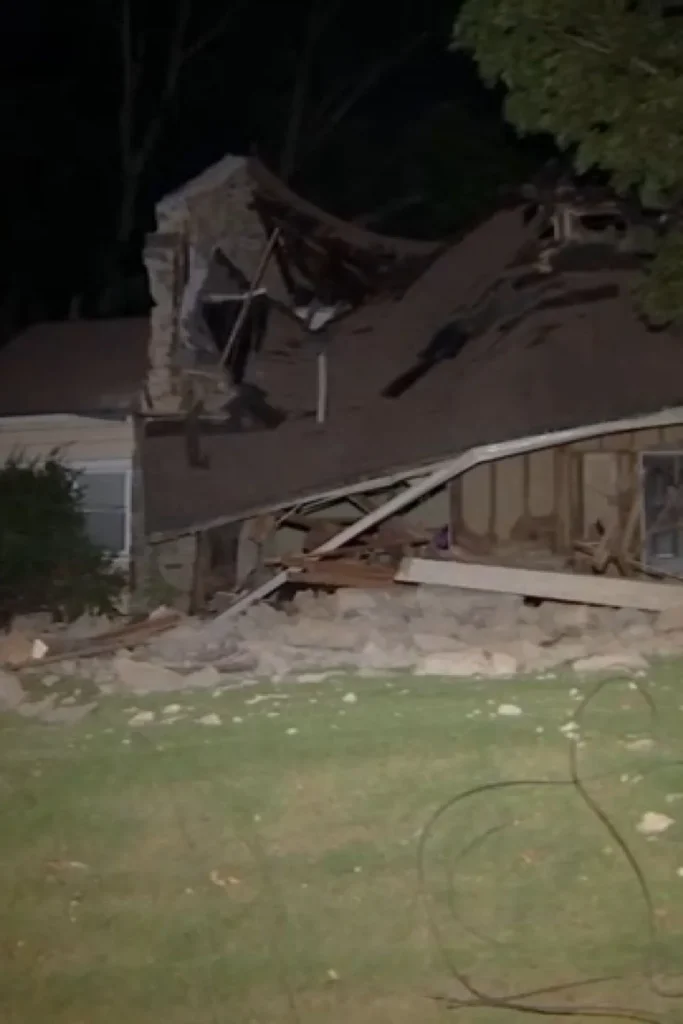
Hours later, the house came down.
The collapse happened just before 11 PM at the corner of Woodbine Avenue and Bryn Mawr Avenue in Philadelphia. Neighbors heard a sound so loud they grabbed their phones thinking a storm had hit. No one was inside. No one was hurt. But the “what if” is hard to shake.
According to 6abc Philadelphia, the property owner had died before the incident, and the elderly woman was the last resident. Philadelphia’s Department of Licensing and Inspections placed the home under an emergency demolition order, citing “significant structural instability.”
The House Looked Fine. That’s the Problem.
These old Philly homes don’t look dangerous. They look solid, historic, even charming. But underneath, many are working with foundations made of rubble stone and mortar, materials that degrade silently over decades without any visible warning.
Philadelphia’s median home age is 93 years old. That’s nearly 30 years older than the national average.
Carter Borden, who recently bought a nearby home built in 1920, put it plainly: he’s passed this house many times, it looked good, and now he’s worried about his own. That feeling is shared by thousands of Philly homeowners right now.
It’s the same pattern we’ve seen elsewhere, a home that passes a casual glance but carries a hidden vulnerability that only shows up after something goes wrong, like what happened to a Stockton family whose garage was breached when no one saw the risk coming.
The City Has a System. It’s Not Working Fast Enough.
State Senator Vincent Hughes called the collapse “heartbreaking” and pushed for a full investigation. Councilmember Cindy Bass has been saying the city needs proactive monitoring, not a reactive system where officials show up after something has already fallen.
The data backs that up.
Why This Matters
An NBC10 Investigators review found that 70% of the more than 3,300 unsafe buildings in Philadelphia have held their “unsafe” designation for at least one year. Of the 170 homes labeled “imminently dangerous,” more than half have sat in that category with no fix.
In Germantown, a home was flagged unsafe in 2021, upgraded to “imminently dangerous” in December 2025, given a January deadline to fix, and two days before that deadline, the entire facade crashed onto the sidewalk.
The Wynnefield family didn’t wait for a city notice. They acted on a crack they could see. That decision almost certainly saved a life.
If you want to stay updated on stories like this as they break, there’s a WhatsApp channel tracking home safety incidents and structural risk news worth following: Build Like New on WhatsApp.
Warning Signs You Should Never Ignore
If you live in a pre-1960 Philadelphia home, watch for these: a crack on the facade running diagonally or toward the foundation, doors or windows that suddenly start sticking, floors that feel bouncy or uneven, and crumbling mortar or missing bricks on exterior walls.
If you share a wall with a vacant home next door, your risk goes up because vacancy means no heat, no maintenance, and water getting in every season unchecked.
Neighbors being caught off guard is not new. Residents in Lincoln went through the same shock when a car crashed into a home on their street and left the whole block unsettled.
And in Wisconsin, a homeowner was inside when an SUV pushed through the kitchen wall, a reminder that structural damage can happen in seconds.
If you spot anything concerning, call Philadelphia 311. L&I will send an inspector. It’s free.
Have You Ever Noticed Something Like This?
Drop a comment below. Have you spotted a crack, a sticking door, or something that just didn’t feel right in your home? Did you act on it or let it go? Real experiences from real homeowners help others know what to actually do.
Final Thoughts
The Wynnefield collapse is a reminder that in a city where most homes are nearly a century old and the inspection system is stretched thin, your best protection is your own awareness.
A family trusted their instincts over a crack in a wall. That instinct worked.
For more on home safety, structural risks, and stories like this one, follow Build Like New on X (Twitter) and join the conversation in the Facebook community, that’s where these stories get discussed as they happen.
Disclaimer: This article is for informational purposes only. If you have concerns about your home’s structural safety, please consult a licensed structural engineer or contact your local department of inspections.