Should Sellers Get a Prelisting Home Inspection Before Selling?
Few moments make me, as a home seller, feel more anxious than the inspection period. You’ve accepted an offer, the excitement is real, but then a nagging thought creeps in: What will the inspector find? Will it scare off my buyer? Will I end up in a negotiation nightmare over repairs? No home is perfect, and buyers know that.
That’s exactly why prelisting home inspections exist. I learned that having my home inspected before listing gives me control. I can spot issues, fix what’s reasonable, and disclose what’s necessary — all on my schedule. It’s like getting a sneak peek into the buyer’s mind before they even step inside. Over the years, I’ve seen sellers turn anxiety into confidence simply by taking this proactive step.
In this article, I’ll walk you through what a prelisting inspection really involves, why it’s becoming more popular, the benefits and drawbacks, and how to decide if it’s the right move for your home. By the end, you’ll have a clear picture — not just theory, but practical insight — to make an informed choice that could save you stress, time, and even money.
What Is a Prelisting Home Inspection?
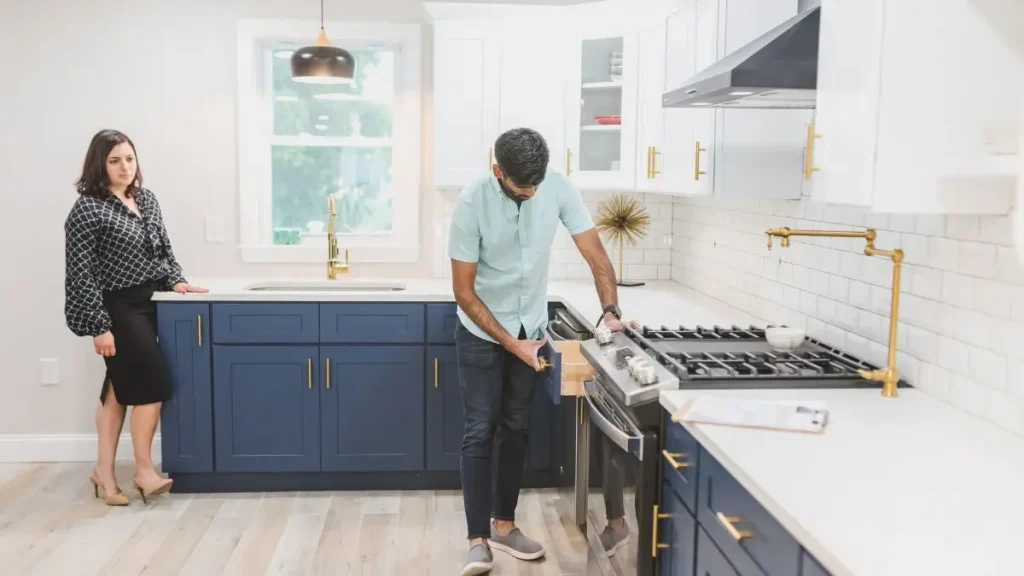
When I first heard about prelisting inspections, I thought, “Why would a seller need their own inspection?” But it makes sense. A prelisting home inspection — sometimes called a preinspection — is exactly what it sounds like: you, the seller, get your home checked before it even hits the market.
It’s the same type of inspection a buyer would order. Roof, plumbing, HVAC, foundation, electrical — everything that typically comes under a buyer’s scrutiny. The difference? You’re in control. You decide when it happens, and you can address any red flags on your timeline.
As per House Logic, Cara Ameer, a real estate broker with Coldwell Banker, says, “It’s better for you as a seller to get a grip on your home’s condition on your time and your terms before going to market”. That quote alone made me realize it’s not just about fixing things — it’s about reducing stress and negotiating from a position of knowledge.
Why More Sellers Opt for Prelisting Home Inspections?
I noticed a trend: more sellers are choosing prelisting inspections these days, and for good reason. About 15% of home purchase contracts fell through in September 2025, according to Redfin. Often, inspections played a role — buyers walked away when unexpected problems cropped up late in the process.
By getting an inspection first, you’re showing buyers that you’re transparent. As Cara Ameer points out, buyers today don’t want to buy a money pit. Even minor issues can scare them off. A prelisting inspection lets you catch those issues early, fix what’s simple, and disclose what’s unavoidable.
Scott Geller, an appraiser and broker, adds that preinspection can make your home stand out in a competitive market. When I looked at listings with preinspection reports, I realized buyers perceive them as “move-in ready,” which can give you an edge. Even HomeTeam Inspection Services offers yard signs that say, “This home has been preinspected” — it’s like a seal of credibility for your listing.
What Sellers Can Expect from a Prelisting Home Inspection?
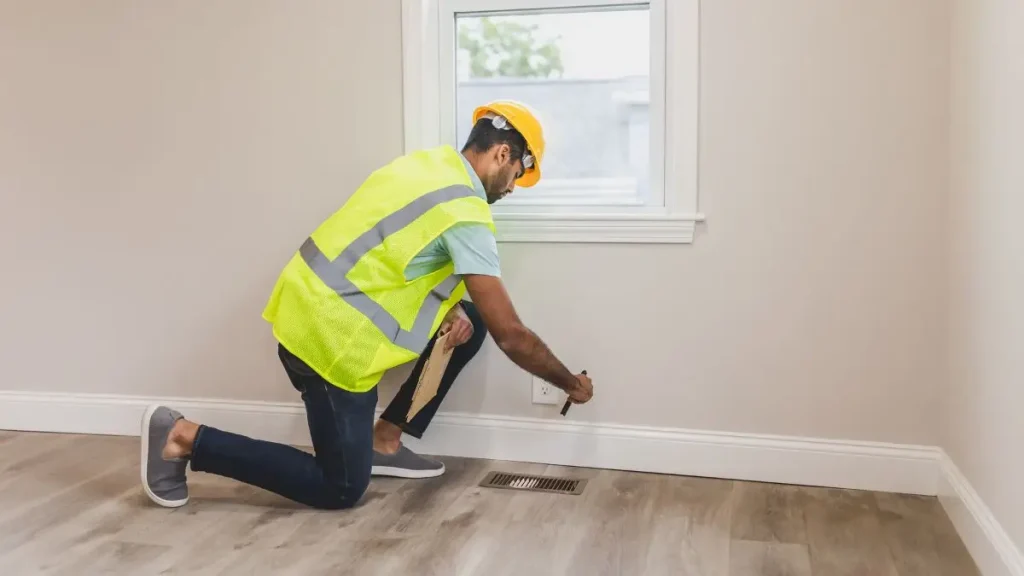
So, what happens when you actually schedule one? The inspector goes through your home like a buyer’s inspector would. Roof, foundation, HVAC, plumbing, electrical — all the key systems get a thorough review.
You get a detailed report. I like to think of it as a roadmap. It tells you what needs fixing, what can be disclosed, and what can safely be ignored. Fixing small issues ahead of time — a leaky faucet, a loose toilet, a minor drip — can prevent a buyer from walking away or asking for concessions.
Sometimes, buyers even waive their own inspection if you provide a thorough report from a reputable company. Scott Geller told me, “It can eliminate the fear of the unknown and speed up the entire sales process.” And honestly, that peace of mind is priceless.
An inspection can also reveal issues you might not spot, similar to how multiple ownership changes in a property can sometimes indicate hidden problems.
Cons to Prelisting Home Inspections
Of course, nothing is perfect. Prelisting inspections have downsides. The cost typically runs $300–$500, which could otherwise go toward small cosmetic updates.
And once you know about a problem, you might have to disclose it — state laws vary, but things like foundation cracks or leaks usually need to be shared.
Also, a buyer can still find something new during their own inspection. It’s not a magic shield that eliminates all negotiation. And if your home is new or in a hot seller’s market, the benefit might not outweigh the time, effort, and money.
Keep in mind that disclosure rules vary by state, just as certain local regulations can affect sensitive situations, like selling a home after a death in Hawaii.
Is a Prelisting Home Inspection Worth It?
Here’s the bottom line I’ve learned from talking to real estate pros: it depends. Older homes or those with unseen issues can benefit greatly. New or recently updated homes might not need one.
Cara Ameer sums it up: “Do you have to fix everything? No. But at least you can disclose what you found, say what you addressed, and price the property accordingly.” And Matt Cook from HomeTeam adds, “Imagine the confidence a seller feels catching potential red flags early. It shows the seller has nothing to hide.”
Most buyers will find issues eventually — either through their own inspection or yours. The advantage is timing. You decide
Have you ever had a prelisting inspection done, or are you considering one? Share your experience or questions in the comments — I’d love to hear what’s worked for other sellers.when and how to manage these issues instead of reacting under pressure.
Best Practices for a Prelisting Home Inspection
If you decide a prelisting inspection is right for your home, doing it the right way can make all the difference. Here’s what I recommend:
- Hire a qualified, reputable inspector: Don’t cut corners here. Look for inspectors with recognized credentials. I always check reviews and ask for references. A trustworthy inspector not only finds real issues but also produces a report buyers will respect.
- Attend the inspection yourself: Being present lets you see what the inspector finds in real-time. I’ve found that watching them walk through the house gives me context and helps me prioritize what to fix or disclose. Plus, you can ask questions on the spot instead of guessing later.
- Prioritize repairs vs. disclosures: Not every problem needs fixing. Small issues — a leaky faucet, a loose cabinet door, or a dripping toilet — are usually worth addressing. Bigger problems might need disclosure but not full repair. I like to make a short list of “must-fix” items and “disclose as-is” items. It saves time and money.
- Use the inspection report as a marketing tool: When I sell, I share the report with potential buyers or even include a note in the listing that the home has been preinspected. It signals transparency and builds confidence, especially in a competitive market. Some buyers even skip their own inspection when they see a solid preinspection.
- Coordinate with your real estate agent: Your agent should be involved in reviewing the report and planning your next steps. They can help decide which repairs will give the best return, how to price the home, and how to disclose any issues strategically. I’ve learned that this collaboration prevents surprises during negotiations.
- Schedule wisely: Try to schedule the inspection when you have enough time to address repairs but not so early that things could change before listing. Timing it right gives you control and minimizes stress.
- Keep documentation organized: I keep the report, repair receipts, and before/after photos together. When a buyer asks about a fix, I can provide proof immediately. It reinforces trust and can prevent back-and-forth haggling later.
If you want quick tips while preparing for your inspection, you can join a dedicated discussion group on WhatsApp where homeowners share insights and real experiences.
When You Might Skip a Prelisting Inspection
Not every home needs a prelisting inspection. If your home is new or recently renovated, chances are the systems and structure are already in top shape. In that case, the inspection might not provide much added value.
Similarly, if you’re selling in a hot seller’s market, where buyers are competing for homes, the cost and effort of a preinspection might not make sense. Sometimes, speed is more important than eliminating every minor defect.
Budget constraints can also be a factor. If you don’t have the funds to fix issues found, it might be better to disclose them upfront and price your home accordingly, rather than spend money you can’t recoup.
Finally, check local or state norms. In some areas, prelisting inspections aren’t common, and buyers expect their own inspection anyway. In that scenario, a preinspection might not significantly impact the sale.
Knowing what needs fixing or disclosure also gives you an advantage in negotiations — similar to strategies for negotiating home prices effectively.
Strategic Takeaway
From my experience and what real estate experts say, a prelisting inspection is a strategic tool — not a universal requirement. It’s about control, confidence, and transparency.
If your home is older, has visible or hidden issues, or you want to reduce surprises during negotiations, a preinspection can save stress and help your sale move smoothly. It also signals to buyers that you’re serious about selling a safe, move-in ready home.
Even if you choose not to do one, knowing the pros and cons helps you make an informed decision. At the end of the day, it’s about timing, preparation, and presenting your home in the best possible light.
For more expert tips on selling your home smoothly, check out our Real Estate & Homeownership section — it’s full of practical strategies from real sellers and professionals.
Disclaimer: This article is for informational purposes only. Real estate laws and inspection requirements vary by state, so consult your licensed real estate agent or professional inspector before making decisions about prelisting home inspections.