10 Outdated Home Features That Might Be Driving Buyers Away
I’ve seen it too many times—homes that should have sold in days just sit on the market, collecting dust. And the frustrating part? It’s rarely the price or the location holding them back. More often, it’s a handful of outdated features silently turning buyers away before you even get an offer.
You might not even notice them yourself—those popcorn ceilings, dark cabinets, or old-fashioned bathroom fixtures blend into the background. But buyers see them, and suddenly your home feels like more work than it’s worth. In this article, I’m going to walk you through the 10 outdated features that are most likely sabotaging your home sale and show you what actually makes a difference. By the end, you’ll know exactly what to tackle, what to leave alone, and how to make your home irresistible to the right buyer.
The Real Reason Buyers Skip Listings With Dated Features
I’ll be honest with you—buyers make decisions in seconds. When they walk into a home and spot dated features, their brains start calculating “How much work is this going to take?” even if the problem is purely cosmetic. That’s why popcorn ceilings, dark cabinets, or bold wallpaper can silently scare off offers before you even know it.
Here’s what’s really happening:
- Perceived cost vs. reality: Even minor updates like replacing old light fixtures or wallpaper can feel like a renovation nightmare to buyers. They mentally subtract the price of your home by what they think it’ll cost to fix.
- Emotional impact: Outdated features make a space feel stuck in the past. Buyers want a home that feels move-in ready, not like a DIY project waiting to happen.
- Comparison trap: When buyers see a modern home in the same price range, even if your listing is priced perfectly, your outdated elements suddenly look like red flags.
According to Homes and Gardens, these subtle visual cues are among the biggest reasons a home lingers on the market. Add in the fact that Realtor surveys often show buyers skip homes with too many perceived “fixes,” and you start to see why outdated features matter more than most sellers realize.
10 Outdated Features That Could Be Stopping Your Home Sale
Now that we know why outdated features scare buyers, let’s get specific. These are the 10 features I see most often that silently sabotage home sales. I’ll explain why buyers dislike each one and what simple changes can make a big difference.
1. Popcorn Ceilings
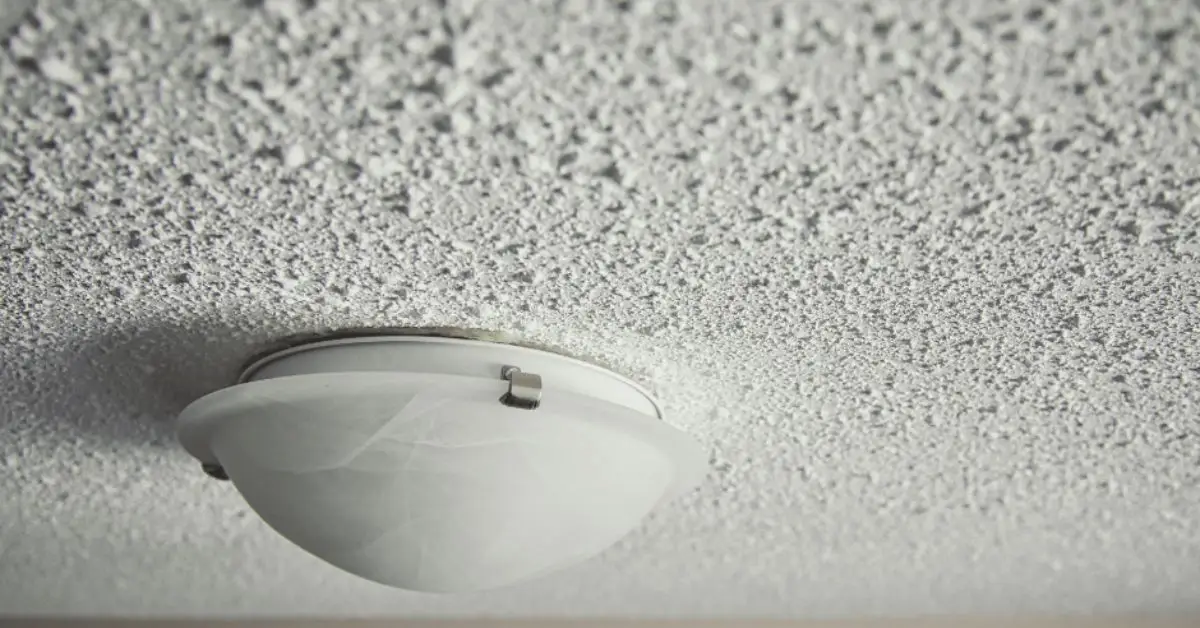
- Why it matters: Texture removal is messy, time-consuming, and often requires professional help. Buyers immediately think about cost and hassle.
- Quick fix idea: Smooth or lightly skim coat ceilings for a fresh, modern look.
- Impact: A small update here can make your home feel instantly newer and cleaner.
2. Wall-to-Wall Carpeting
- Why it matters: Carpet is seen as outdated, traps allergens, and often needs replacing. Hardwood or laminate floors instantly signal low-maintenance and modern design.
- Quick tip: If you can’t replace it, consider deep cleaning and adding area rugs to hint at style.
- Tweet-worthy insight: “Carpet is out. Buyers want low-maintenance, clean lines. Hardwood/laminate >> wall-to-wall.”
3. Colored Bathroom Fixtures
- Pink, avocado, or mint tubs and sinks scream 70s and 80s. Buyers immediately imagine a full bathroom remodel.
- Neutral fixtures (white or soft gray) are perceived as clean, fresh, and ready to use.
- Even a simple reglazing or replacing one fixture can drastically change the bathroom’s appeal.
4. Dark or Oak Cabinets
- Dark cabinetry can make kitchens feel small and dated.
- Buyers prefer bright, airy spaces that feel modern and inviting. You can explore 8 easy ways to transform outdated wood cabinets into modern masterpieces for inspiration.
- Painting or refinishing cabinets in light tones can dramatically improve perception.
5. Outdated Wallpaper
- Bold patterns or peeling wallpaper creates uncertainty about the condition of walls beneath.
- Neutral paint instantly modernizes a space and reduces mental “renovation cost” for buyers.
6. Old Sliding Glass Doors
- Sticky, hard-to-operate doors aren’t just annoying—they suggest hidden maintenance issues.
- New hardware, clean tracks, or a full replacement can improve both function and aesthetics.
7. Sunken Living Rooms
- While unique, these create awkward floor plans and disrupt the open-layout feel buyers love.
- Small visual tricks like furniture placement or lighting can help minimize the “sunken” effect.
8. Outdated Built-In Home Theaters / Sound Systems]
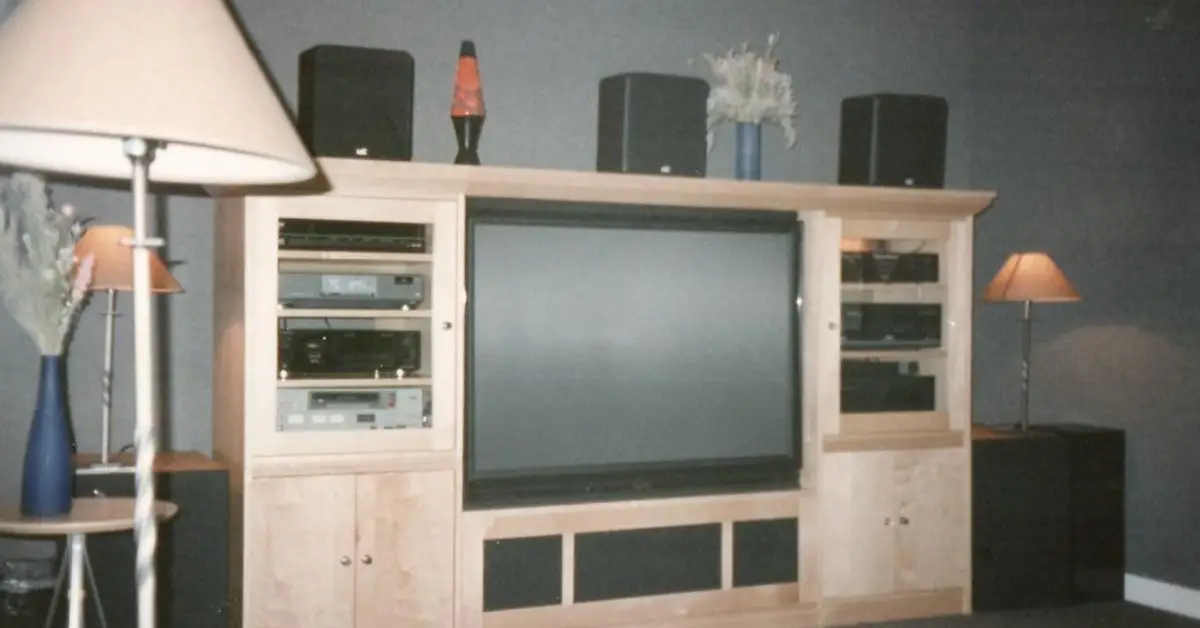
- Older wiring and bulky equipment are a hassle.
- Buyers often imagine ripping everything out, which can feel expensive.
9. Brass / Antiquated Fixtures
- Brass is out; buyers favor brushed nickel, matte black, or chrome finishes.
- Replacing a few key fixtures in kitchens and bathrooms can make your home feel instantly modern.
10. Other “Dated” Architectural Elements
- Popcorn ceilings, ornate panels, heavy drapes, or textured walls create a stale impression.
- Even if these aren’t structural issues, they make buyers think “more work ahead.”
- Tip: Neutralize visually—light curtains, subtle trims, and minimal textures go a long way.
Some of these updates might feel small, but trust me—they’re the ones buyers notice first. And if you want more detailed guidance on modernizing without overhauling your entire home, Creating Real Estate Solutions has great insights on prioritizing updates that truly influence buyer perception.
What You Don’t Need to Panic Fix
Here’s the truth: not every outdated detail in your home will scare off buyers. I’ve seen sellers waste time and money updating things that barely affect offers. In most cases, buyers care more about functionality and first impressions than cosmetic quirks.
Think about it this way:
- Cosmetic quirks vs. real obstacles: Light fixtures, minor paint colors, or dated décor may look old but rarely make buyers walk away.
- Minor maintenance issues: Cracked driveways, worn carpets, or slightly outdated outlets don’t usually kill deals if everything else is solid.
- Functionality wins: A home that works — good roof, HVAC, plumbing — matters far more than whether a door handle is brass or chrome.
The key is setting realistic priorities. Spend your energy on areas buyers notice first, instead of stressing over every small detail. In fact, these home features can add more value than you think and are worth prioritizing over minor cosmetic updates.
Quick rules for you:
- Don’t fix harmless cosmetic features.
- Skip rewiring, driveway relays, or non-urgent structural changes unless they impact safety.
- Focus on updates that truly affect perception — mostly kitchens, bathrooms, and main living spaces.
Which Improvements Move the Needle for Offers (and Why)
Once you know what not to stress about, the next step is focusing on updates that actually sway buyers. You want to make your home feel move-in ready without blowing your budget.
Here’s where you should put your effort:
1. Kitchens Are the Big Winner
- Buyers spend a lot of time here. Even small updates like new countertops, hardware, or lighting can make a huge difference.
- Modern, neutral finishes immediately give the impression of care and style.
2. Bathrooms Matter Almost as Much
- Clean, bright bathrooms with updated fixtures signal move-in readiness.
- Even minor updates — fresh vanities, new faucets, or simple tile work — can sway buyers.
3. Curb Appeal and Entry Points
- First impressions stick. A tidy yard, pressure-washed siding, or a fresh entry door tells buyers the home is well-maintained.
Pro tip: Focus on updates that address perceived cost vs. buyer hesitation. If a feature makes buyers think, “I’ll have to spend thousands to fix this,” prioritize it. If it’s harmless, leave it.
According to Zillow’s guide on home improvements that increase resale value, upgrades like kitchen or bathroom improvements and entryway refreshes often deliver the highest return on investment, while minor cosmetic tweaks rarely move the needle.
Actionable plan for you:
- Start with kitchens and main bathrooms.
- Use neutral, modern finishes that appeal to a broad range of buyers.
- Skip expensive, trendy updates that don’t impact perception.
Your goal isn’t perfection — it’s making the home feel ready to live in, easy for buyers to imagine themselves there, and stress-free for you as a seller.
Should You Update Before Selling — Questions to Ask Your Realtor

Before you start spending money on upgrades, take a step back and ask the right questions. For major updates like windows or doors, check out should you replace windows before putting your home on the market to see what really impacts resale value. I always tell homeowners: a smart plan beats a rushed renovation every time.
Here’s what to consider:
- Market conditions: Is it a seller’s market where buyers overlook minor flaws, or do you need every feature polished to attract offers?
- Comparable homes: What are similar properties in your neighborhood doing? You want updates that help your home compete, not just look trendy.
- Buyer expectations: Who is your target buyer? Young professionals may prioritize open kitchens, while families might care more about bathrooms and storage.
- Cost vs. expected price bump: Will the update give you a tangible return, or is it just nice to have? Focus on changes that actually influence offers.
Pro tip: Discuss these questions with your realtor before lifting a hammer. This helps you avoid wasting money on updates that won’t move the needle and ensures you prioritize what buyers really notice.
Sell Smarter — Not Harder: Final Thoughts
Looking back at the 10 outdated features we discussed, the takeaway is clear: perception drives offers more than age alone.
- Popcorn ceilings, old carpet, colored fixtures, dark cabinets, outdated wallpaper, sliding doors, sunken living rooms, built-in theaters, brass fixtures, and other dated architectural elements can make buyers hesitate.
- The right updates — primarily in kitchens, bathrooms, and first impressions — can significantly improve how buyers perceive your home.
Remember, your goal isn’t to make the house perfect. It’s to make it move-in ready, appealing, and easy to imagine living in.
If you found these tips helpful, I’d love to hear your thoughts. Drop a comment below sharing which feature you think is the biggest deal-breaker in your home.
And if you want more in-depth, actionable advice on making your home sell faster without overspending, check out Build Like New for guides, tips, and expert strategies tailored for homeowners like you.
Disclaimer: The information in this article is for general educational purposes only and does not constitute professional advice. Always consult a qualified real estate agent or contractor before making decisions about home improvements or sales.