6 Cleaning Tasks You’re Skipping That Could Turn Into Real Home Disasters
I’ve spent years noticing how small cleaning habits can either save you a fortune or quietly set you up for disaster. You might think skipping a quick drain check or ignoring that dusty vent is harmless—but those tiny oversights can spiral into water damage, mold growth, or even fire hazards.
In this article, I’m going to share six routine cleaning habits that do more than keep your home tidy—they actively prevent costly problems before they even start. By the time you finish reading, you’ll have practical steps you can start this week to protect your home, your wallet, and your peace of mind.
How Routine Cleaning Protects Your Home — What “Home Disaster” Really Means
I often hear people say cleaning is just about keeping the house looking good. I don’t see it that way. To me, routine cleaning is one of the simplest ways to protect your home from serious damage.
When I talk about a “home disaster,” I’m not just talking about floods or fires. I’m talking about problems that build slowly and quietly—water damage behind cabinets, mold growing inside walls, pests attracted by dust and clutter, appliances failing without warning, and unhealthy indoor air that affects your health.
Most cleaning guides focus on appearance. They tell you how to clean, but not why it matters. That’s the gap. When you understand how cleaning prevents real damage, every small habit starts to feel more important. You stop cleaning just to stay tidy, and you start cleaning to avoid expensive repairs and long-term stress.
Habit 1 — Keep Drains and Pipes Flowing to Prevent Costly Water Damage
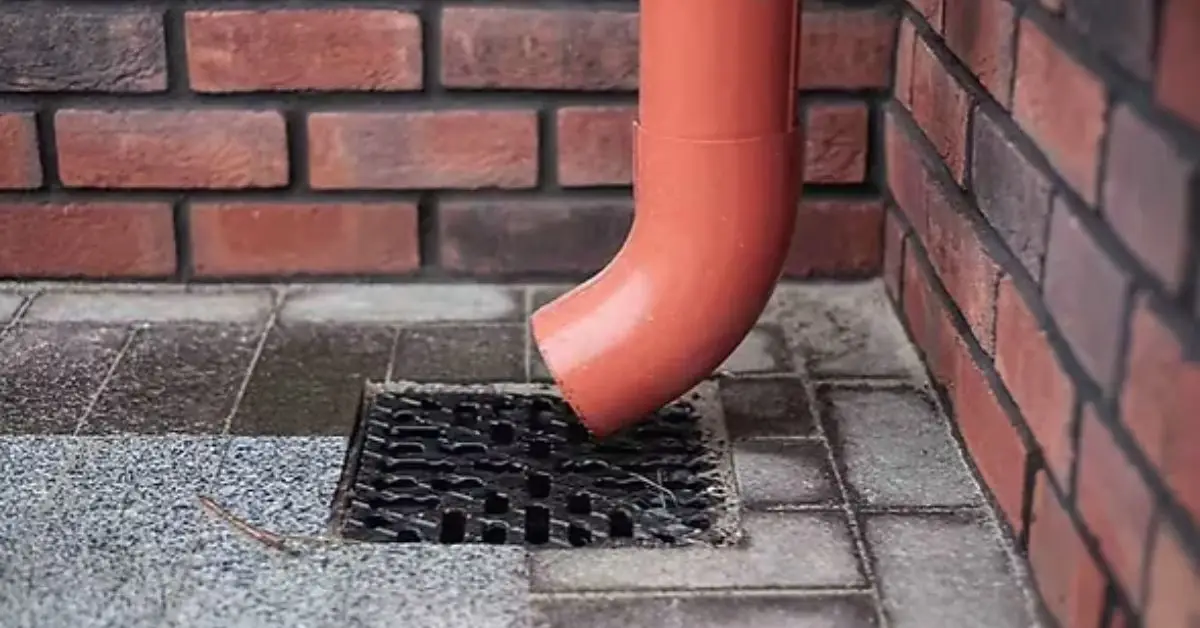
Why Small Clogs Turn into Floods
I’ve seen too many cases where a slow drain was ignored until it turned into a major repair. A little water backing up today can mean soaked cabinets, warped flooring, or mold tomorrow.
Clogs don’t usually fail all at once. They build up slowly. Pressure increases, joints weaken, and leaks start where you can’t see them. By the time water shows up, the damage is already done.
Routine Tasks
These simple habits make a real difference:
- Check sink and shower drains every week to make sure water flows freely
- Use enzyme cleaners or manual drain tools instead of relying only on harsh chemicals
- Do a deeper drain clean once a month, especially in kitchens and bathrooms
In kitchens especially, the issue isn’t just visible dirt—many habits people think are “clean” actually create hygiene risks. Some everyday routines fall into the category of kitchen cleaning mistakes microbiologists warn against, and ignoring them can make drain and moisture problems worse over time.
Water damage is one of the most expensive home repairs. Treating drain care as part of regular cleaning—not an emergency fix—is key. That’s why public health agencies like the Washington State Department of Health stress cleaning and maintenance as the first step, not just disinfecting after something goes wrong.
Habit 2 — Annual Dryer Vent and Filter Cleaning to Avoid Fires
This is one habit people underestimate the most. Dryer lint doesn’t look dangerous, but it’s highly flammable. When lint builds up in the vent, heat can’t escape properly. The dryer runs hotter, uses more energy, and increases the risk of fire.
Here’s what I stick to:
- Clean the lint trap after every load
- Check and clean the dryer vent at least once a year
- Make sure airflow behind the dryer isn’t blocked
Fire prevention isn’t just about smoke alarms. It’s also about removing hidden risks before they turn into emergencies. That connection between everyday habits and disaster prevention is something Good Housekeeping highlights well—and it applies directly to how you clean and maintain your home.
Habit 3 — Tackle Moisture and Mold Before It Spreads
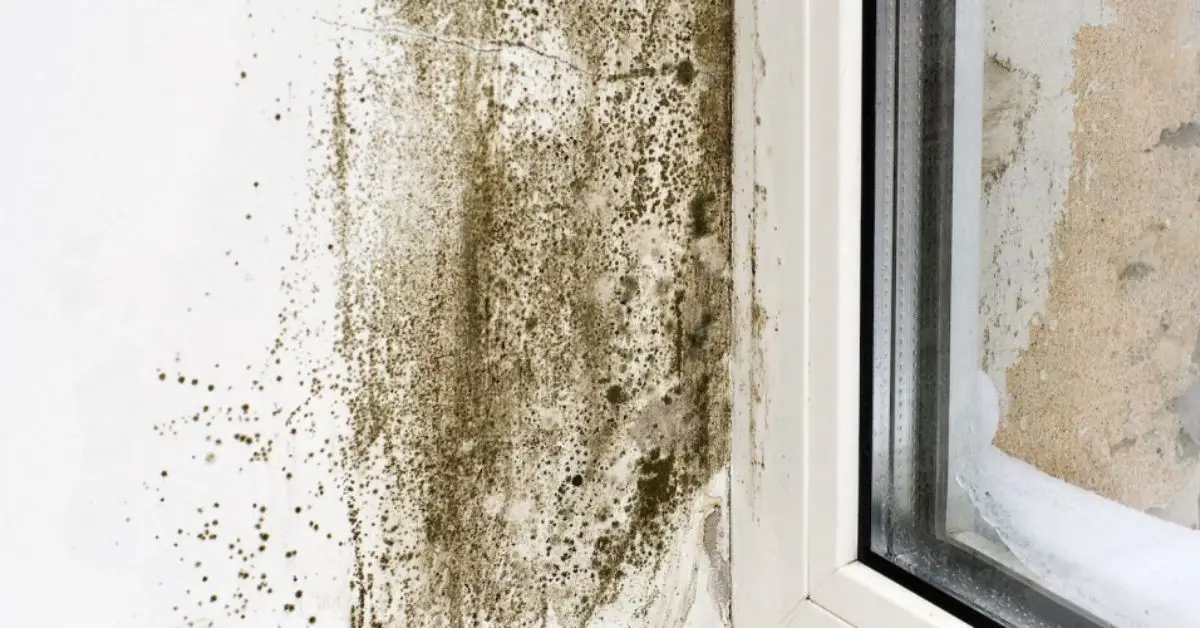
The Hidden Risks of Moisture
Moisture is one of the most damaging things in a home, and it often goes unnoticed. Steam from showers, condensation, small leaks, or poor ventilation can all create the perfect environment for mold.
The problem with mold is that you usually see it late. By the time it’s visible, it may already be affecting air quality, triggering allergies, and damaging materials behind walls or under floors.
Daily and Weekly Habits
These habits help stop mold before it starts:
- Ventilate bathrooms and laundry areas every time you use them
- Dry wet surfaces within 24 to 48 hours
- Regularly check under sinks, around washing machines, and near water heaters
Mold cleanup is expensive and stressful. Controlling moisture early is far easier—and far cheaper—than dealing with the damage later.
Habit 4 — Regular Dusting and High-Touch Surface Cleaning for Indoor Air and Health
I know dusting feels like the least urgent cleaning task. It doesn’t cause an obvious mess, and it’s easy to postpone. But over time, dust buildup quietly affects both your health and your home.
Dust carries allergens, bacteria, and tiny particles that worsen indoor air quality. When those particles settle into vents, carpets, and corners, they also attract pests. That’s how a simple cleaning habit turns into a health or infestation issue later.
Here’s what I focus on:
- Dust shelves, vents, and baseboards weekly
- Wipe high-touch surfaces like switches, handles, and remotes regularly
- Don’t forget less visible spots like the tops of doors and cabinets
Cleaning at this level isn’t about perfection. It’s about keeping your indoor environment stable and healthy. Research-backed health resources like this Healthline guide on healthy homes clearly show how routine surface cleaning helps reduce allergens and airborne irritants—something most cleaning articles never connect to long-term home safety.
Habit 5 — Appliance and HVAC Maintenance to Prevent Breakdowns
Appliances rarely fail out of nowhere. In my experience, most breakdowns happen because dirt, grease, or dust were allowed to build up for too long.
When appliances run dirty, they work harder. That extra strain shortens their lifespan and increases the risk of overheating or sudden failure. A lot of appliance damage actually starts with the wrong cleaning approach—especially on finishes like stainless steel. If you want to avoid surface damage while cleaning, it’s worth reviewing these common stainless steel cleaning mistakes that leave streaks and scratches so routine maintenance doesn’t shorten your appliance’s lifespan.
A simple schedule keeps things under control:
- Clean refrigerator coils twice a year
- Replace HVAC filters monthly or at least every quarter
- Deep clean the oven every few months to prevent grease buildup
These tasks don’t take much time, but they save you from expensive repairs, spoiled food, or losing heating and cooling when you need it most. Preventive cleaning is one of the easiest ways to make appliances last years longer.
Habit 6 — Declutter and Organize to Reduce Hazards and Response Delays
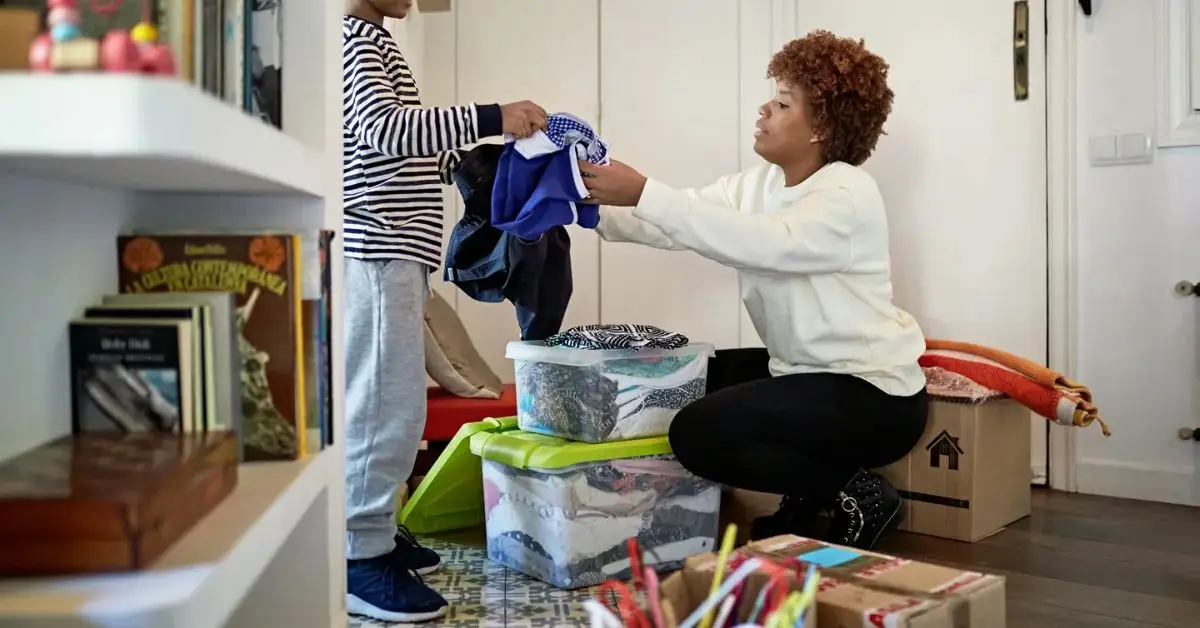
Clutter doesn’t just make a home feel chaotic. It hides problems and slows you down when something goes wrong.
I’ve noticed that when spaces are overfilled:
- leaks go unnoticed
- pests find hiding spots
- emergency shut-offs are harder to reach
- cleaning gets delayed because it feels overwhelming
What many people don’t realize is that even during deep or seasonal cleaning, small mistakes can actually invite pests instead of keeping them away. Some of these spring cleaning mistakes that secretly attract pests are surprisingly common—and easy to fix once you know what to look for.
That’s why I follow two simple rules:
- One-touch rule: put things away the moment you’re done using them
- Weekly reset: clear surfaces, entryways, and high-traffic areas once a week
I also make sure emergency tools, breaker panels, and water shut-offs are easy to access. When a problem happens, speed matters. Organization isn’t just about neatness—it’s about reducing risk and reacting faster.
Bonus — Seasonal Deep-Clean Checklist That Prevents Big Problems
Daily and weekly cleaning handles surface-level issues. Seasonal deep cleaning is where you catch the problems that quietly build up in the background.
I treat seasonal cleaning as a reset button for the house. It helps you spot wear, buildup, or damage before it turns into a repair call.
Here’s what I focus on season by season:
- HVAC checks: Replace filters, clear vents, and make sure airflow is consistent before peak summer or winter use
- Fireplace and chimney cleanup: Soot and debris buildup can become a serious fire risk if ignored
- Gutters and roof inspection: Clogged gutters lead to water overflow, foundation damage, and leaks
- Exterior pressure washing: Removes mold, mildew, and grime that slowly degrade siding and concrete
This kind of maintenance goes beyond regular cleaning, but it saves money long term.
What Happens When You Skip These Habits — Real Costs and Risks
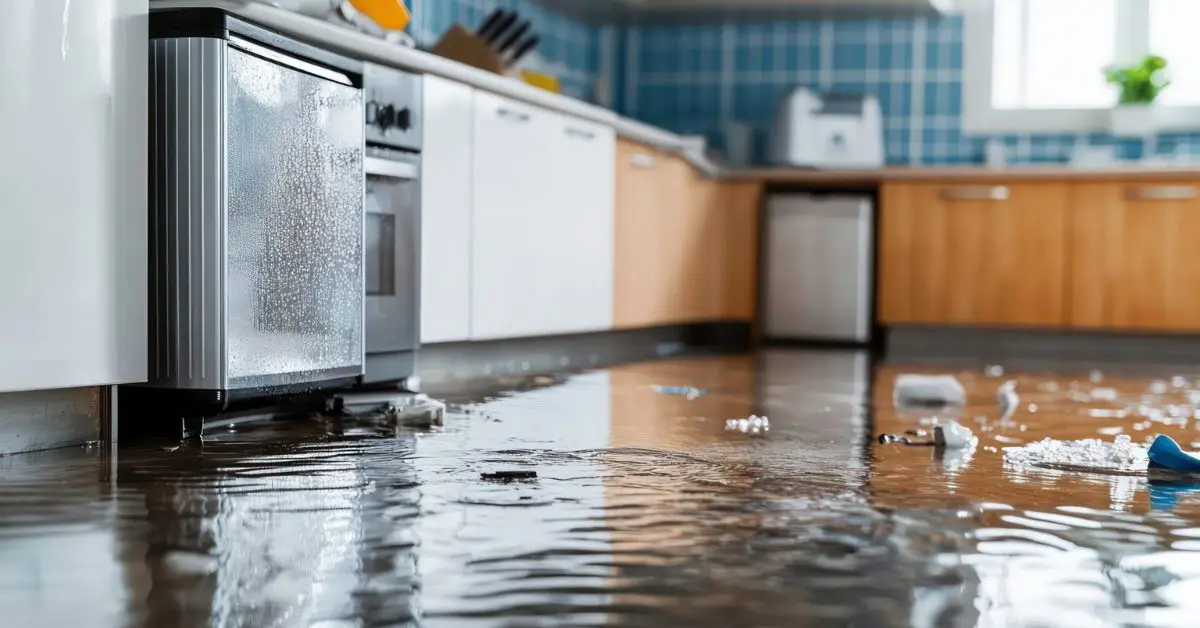
I’ve noticed something consistent over the years: people rarely regret cleaning early, but they almost always regret delaying it.
When routine and seasonal habits are skipped, the costs add up fast:
- Water damage repairs: often run into the thousands once cabinets, floors, or walls are affected
- Mold removal: expensive, disruptive, and sometimes requires temporary relocation
- Appliance replacement: neglected appliances fail years earlier than expected
- Fire damage: even a small incident can cause massive financial and emotional loss
Beyond money, there’s the health impact. Poor air quality, mold exposure, and pest-related issues affect how you sleep, breathe, and function at home.
How to Build a Weekly, Monthly, and Annual Cleaning Schedule
The biggest mistake I see is trying to do everything at once. That’s how people burn out and give up. What works is a rhythm you can realistically maintain.
Here’s a structure I recommend:
Daily Quick Hits
- Wipe kitchen counters
- Clear sinks and visible clutter
- Do a quick check for spills or leaks
Weekly Cleaning Block
- Vacuum and dust main living areas
- Clean bathrooms
- Check drains and high-use appliances
Monthly Maintenance
- Deep clean drains
- Inspect under sinks and behind appliances
- Wash vents, filters, and overlooked surfaces
Annual Safety Checks
- Dryer vent cleaning
- HVAC inspection
- Gutter, roof, and chimney checks
This approach turns cleaning into a system, not a burden. When tasks are spread out, they stop feeling overwhelming—and they actually get done.
Final Thoughts
If there’s one thing I want you to take away, it’s this: routine cleaning isn’t about perfection. It’s about prevention.
Every small habit you build today reduces the chance of facing a major repair tomorrow. When you clean with intention, you’re not just maintaining a house—you’re protecting an investment.
If you found this helpful, I’d love to hear from you.
Which cleaning habit do you already follow, and which one do you plan to start next? Drop your thoughts in the comments.
And if you want more practical, no-nonsense guidance on maintaining and upgrading your home, explore more resources on Build Like New.
Disclaimer: This article is for general informational purposes only. Cleaning needs and home risks can vary based on location, construction, and usage. Always follow manufacturer instructions and consult a qualified professional for repairs, inspections, or safety concerns specific to your home.