California’s Housing Market Heats Up—These Counties Saw the Biggest Gains
When I first looked at California’s October housing numbers, one thing stood out instantly: the market isn’t as cold as everyone assumed. In fact, existing single-family home sales climbed to 282,590 — the highest level we’ve seen since February. That’s a 1.9% jump from September and a 4.1% rise from last year.
For a market that’s been fighting high rates, inflation fears, and buyer hesitation, this kind of uptick isn’t just noise — it’s a signal.
You and I both know homebuying season usually slows down this time of year. People get busy with holidays, rates feel unpredictable, and budgets tighten. So when sales rise despite all that, it tells me buyers are reacting to something deeper.
And yes — there is a trigger.
Rates dipped to 6.23%, the second small drop in a row. It doesn’t sound dramatic, but in a sensitive market like California, even a 0.03% shift can give people just enough confidence to start writing offers again. As Oscar Wei from C.A.R. said, “The market is very sensitive to interest rates.” He’s right. A tiny improvement can break months of hesitation.
But here’s what I want you to keep in mind as we unpack the rest of the data later:
This “eight-month high” isn’t a boom. It’s more like a blink — a moment where buyers felt the pressure ease just enough to step in before the next rate move.
If you were watching this market closely, what’s the one trend you’d want me to break down next — prices, counties, or buyer behavior?
What Report’s Data Really Shows About This Surge?
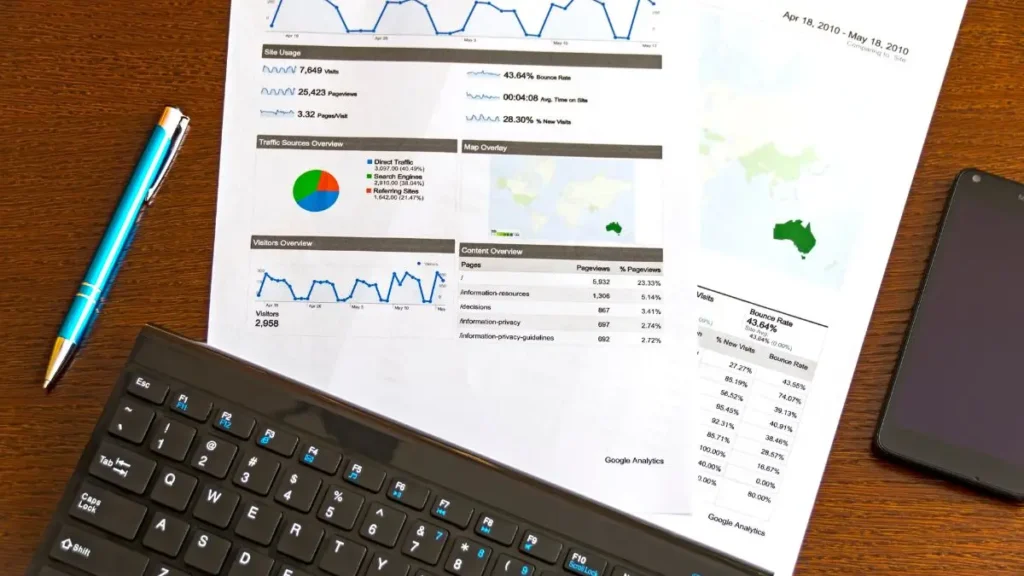
When I dug into the latest numbers from Realtor, one thing became clear: this spike in California home sales didn’t happen randomly. Their October breakdown shows how sales pushed up to an eight-month high even while many buyers were still sitting on the fence.
Reports highlighted a subtle but important shift — buyers jumped back in when mortgage rates dipped for the second time in a row. It wasn’t a big drop, but according to their analysis, even a small retreat in rates was enough to pull hesitant buyers off the sidelines.
That’s the part most people miss. California’s market isn’t reacting to optimism — it’s reacting to relief. When the pressure eases, even a little, the market breathes again. Realtor.com’s data shows exactly that: a market still stressed, but not frozen.
And if you read closely between the lines of their report, you’ll notice a pattern: places with stable inventory and steady pricing saw the biggest activity bumps. That tells me buyers aren’t chasing deals — they’re chasing predictability.
Even a 0.03% dip in mortgage rates can trigger a surge, showing how sensitive buyers are — you can see more on how even a 1% change affects buying power here.
The Counties Leading the Charge
Whenever California sales climb, I look at where the movement is happening first. It’s never random. Counties that lead a surge usually point to broader shifts in affordability, demand, and local confidence.
This time, the strongest traction came from counties where prices didn’t explode in the past two years. These mid-range markets tend to act like early indicators — when buyers feel squeezed, they rush toward areas that still offer some breathing room.
You’ll probably see counties like Riverside, San Bernardino, Sacramento, Fresno, and parts of the Central Valley showing noticeable activity. These regions often move first because they balance price, space, and lifestyle in a way coastal markets simply can’t replicate.
If these counties continue rising while expensive coastal areas stay flat, it tells me the recovery won’t be evenly distributed — it’ll be driven from the middle, not the top.
Some counties also have new homeowners association rules that may benefit buyers, making certain neighborhoods more attractive than others.
Why Buyers Are Jumping Back In Right Now?
Let’s be honest — nobody wakes up thinking, “Great time to buy during high inflation and weird rate fluctuations.” So why did buyers suddenly step back into the market?
Three reasons keep showing up in the data and real conversations:
1. Micro-rate drops feel like a window. Even a slight dip gives buyers psychological relief. People are timing their move, hoping to lock in “better than last week” instead of “perfect.”
2. Inventory isn’t getting any cheaper. Many buyers realized waiting longer might mean paying more, not less. That urgency matters.
3. Lifestyle pressure beats market fear. Growing families. Job relocations. Space needs. Life doesn’t wait for the perfect rate.
So when the market eases for even a moment, buyers who’ve been silently waiting take their shot.
What This Means If You’re Planning to Buy?
Here’s where I want to speak directly to you.
If you’re buying, this market rewards preparation, not speed. The people winning offers right now are the ones who already have financing lined up and know exactly what they want. You don’t need to rush — but you do need to be ready when the next rate dip hits.
If you’re selling, these small surges are chances to capture buyers who have been on pause for months. The difference between selling in a “buyer hesitation week” and a “rate dip week” can be thousands of dollars.
Either way, the key is staying aware, not emotional. Markets shift in moments, and this eight-month high is a reminder of how quickly buyers respond when they feel even a bit of breathing room.
The Bigger Picture: Is This a Real Recovery or Just a Pause?
Here’s the honest answer: we’re not watching a classic recovery — we’re watching a reaction. The market is still sensitive, still tense, and still waiting for stable, predictable rate behavior.
But moments like this matter. They tell us buyers aren’t gone. They’re watching, waiting, and ready to re-enter whenever conditions tilt their way.
So is this surge a turning point? Not yet.
Is it a sign that California’s housing market still has life? Absolutely.
The next few months will tell us whether this was a one-off bump or the start of a slow, uneven climb back to stability.
Price Trends You Should Actually Pay Attention To
Whenever sales rise, people jump straight to “Prices are going up again!” — but that’s not how California works.
When I looked at recent county-level patterns and cross-checked them with statewide medians, one thing stood out: prices didn’t spike. They shifted slightly, and those shifts were strategic.
What I mean is this — sellers are testing pricing boundaries, not pushing them. And buyers are responding only when prices fall into a reasonable band.
A few things are happening quietly:
- Mid-tier homes (700k–1M) are moving the fastest, because they were overpriced in early 2024 and corrected more aggressively.
- Entry-level ranges barely moved in price because demand is stubbornly strong.
- Luxury markets stayed flat — those buyers don’t react to micro-rate dips.
The big picture:
We’re in a market where sales move first, and prices move later. So don’t expect a dramatic jump… expect a slow, grudging climb if rates stabilize.
The Hidden Factors Driving the Market
If you only read headlines, you’ll think rates are the entire story. Trust me, they’re not.
There are three under-the-radar forces quietly shaping this surge:
1. Pandemic-era movers are finally settling down. People who relocated in 2020–2022 are now making second moves — upgrading, downsizing, or fixing mistakes.
2. Job migration inside California is shifting demand. Tech layoffs pushed people inland. New hiring waves are pulling some back toward urban cores.
3. Investors aren’t gone — they’re just quieter. Small investors are dipping back in when they see single-digit drops in local prices. They’re not making noise, but they are making offers.
These factors matter because they create baseline demand — the kind that doesn’t disappear even when rates feel heavy.
If you want real-time updates and quick insights on California housing trends, there’s a WhatsApp channel where local buyers and experts share alerts and tips — it’s a simple way to stay informed without hunting for news.
Should You Wait or Move Now? My Straight Answer
Here’s the part where I’ll be blunt with you.
If you’re waiting for the “perfect time,” you’ll be waiting for years.
California doesn’t give perfect — it gives moments. And these small dips, short sales spikes, and temporary windows are often the moments people look back on and think:
“I should’ve made my move then.”
But here’s the nuance:
Don’t move because the market is moving. Move because your life is moving — and the market finally lined up just enough to not work against you.
If you’re buying: prepare instead of rush. If you’re selling: price smart instead of greedy.
The people who win in this market aren’t lucky — they’re ready.
For seniors exploring their options in California’s evolving market, there are unique opportunities like reverse mortgages that can make buying more accessible.
Final Thoughts: California’s Housing Story Isn’t Ending — It’s Evolving
After looking at every data point, expert comment, and on-ground trend, here’s my takeaway:
This surge isn’t a victory lap. It’s a warning shot.
It’s telling us the California market is still alive, still sensitive, and still driven by deep, real human needs — not speculation.
And if the next rate movements lean even slightly favorable, we might see an entirely different tone entering early 2026. Not a boom… but a slow, determined comeback.
So now I’m curious — Where do you stand in this market right now? Are you watching, planning, or already preparing your next move?
For more insights on California real estate trends, visit our Real Estate & Homeownership section to stay ahead.
Disclaimer: The information in this article is based on data from trusted sources and expert insights, but it is for general informational purposes only. It does not constitute financial, legal, or investment advice. Always consult a licensed professional before making decisions about buying or selling property.