San Antonio Chimney Fire Damages Home, Residents Unharmed
I’ve always thought of chimney fires as something you read about in safety guides—but seeing it happen to a real family makes it hit differently. On New Year’s Day, just after 1:40 p.m., a chimney fire broke out in a home near John Marshall Drive and Eckhert Road in San Antonio. What started as a small flare in the chimney quickly spread upward into the attic, creating a tense few minutes for everyone inside.
The family living there acted fast and evacuated without a single injury. It’s incredible how a calm, prepared response can make such a huge difference in situations like this. While the fire caused damage to the chimney and the upstairs area, the swift response from both the family and the firefighters prevented the disaster from turning much worse.
Battalion Chief Terrence Lowe later explained that the fire originated in the chimney but was contained before it could spread to the rest of the house. It’s a reminder that even a controlled blaze in one part of your home can escalate if left unchecked.
Reading about this, I can’t help but think about what I’d do in a similar scenario. Do I know the quickest escape route from every part of my home? Are my smoke detectors working? Events like this aren’t just news—they’re real-life lessons we can all learn from.
Take a moment today to check your own home for fire risks. A simple chimney inspection or testing your smoke alarms could save you from facing a scenario like this first-hand.
How the Fire Started and Spread?
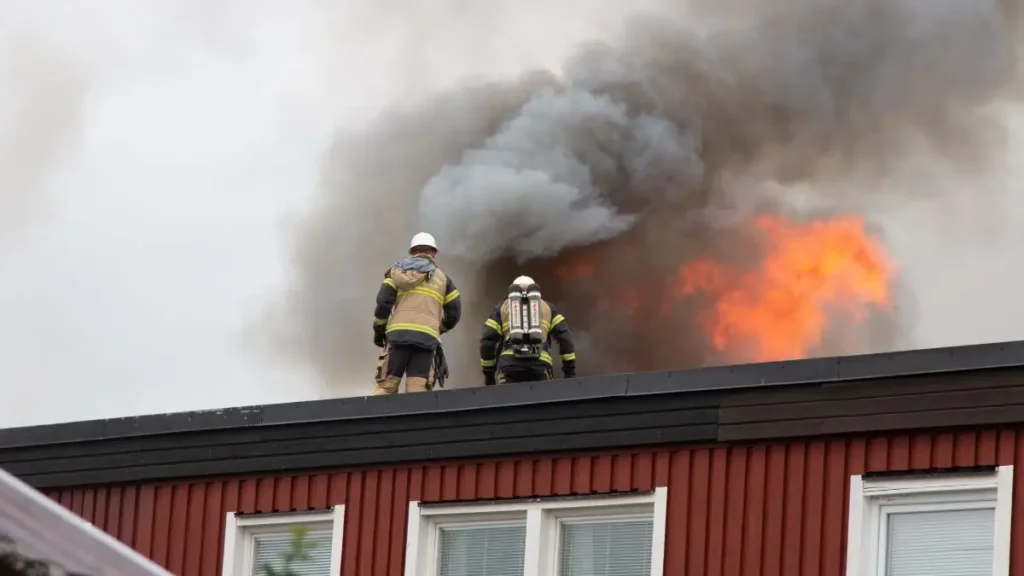
I couldn’t help but notice how quickly a chimney fire can escalate. According to News4 San Antonio, the fire originated in the home’s chimney and traveled upward into the attic. It’s scary to realize that what seems like a small flare can suddenly threaten an entire home.
Chimney fires often start because of creosote buildup, flammable debris, or irregular wood burning. In this case, the flames spread fast enough that the attic caught fire before the firefighters could fully contain it.
Seeing this makes me think about my own home: is my chimney clean enough? Are there steps I could take to prevent such a scenario?
Practical takeaway: Schedule a professional chimney inspection at least once a year. Even small maintenance can prevent an escalation like the San Antonio fire.
Chimney Fire vs. Other Home Fire Types
Not all fires are the same, and understanding the difference can change how we respond. A chimney fire, for instance, usually burns inside the flue and can be hidden from view until it spreads, unlike a kitchen or electrical fire, which often shows immediate visible flames or smoke.
In this incident, the danger was in the hidden spread to the attic. That’s why chimney fires can catch even careful homeowners off guard—they’re silent but fast.
Practical takeaway: Know the fire risks specific to each part of your home. Smoke alarms, fire extinguishers, and proper maintenance all play different roles depending on where a fire might start.
How Chimney Fires Cause Damage to Homes?
Even when no one gets hurt, the damage from a chimney fire can be extensive. In this San Antonio case, the fire destroyed the chimney and the upstairs attic area. Structural damage like this is more common than many people realize.
I often tell friends that a chimney fire isn’t just a cosmetic problem. Cracked masonry, warped liners, and smoke damage can create expensive repairs—and sometimes unseen hazards that linger long after the flames are out.
Even when no one gets hurt, the damage from a chimney fire can be extensive—similar to the Virginia house fire where a family faced serious property damage and sadly, a pet was lost.
Practical takeaway: After any chimney fire, have a professional inspect the entire structure, not just the obvious burned areas. Early detection of hidden damage can save money and prevent future accidents.
Chimney Fire Statistics and Risk Factors
Chimney fires might feel rare, but the numbers tell a different story. According to national fire safety statistics, thousands of homes experience chimney fires every year, especially during colder months when fireplaces are in frequent use. Seasonal spikes around holidays like New Year’s are also common.
What struck me about this San Antonio case is that it happened during a typical winter afternoon. Fires don’t wait for convenient times—they happen in everyday moments. Understanding these risk factors helps me take small, consistent safety measures rather than reacting when it’s too late.
Nationally, thousands of homes face fire risks each year, and tragedies like the Colorado Springs residential fire remind us how quickly things can go wrong.
Practical takeaway: Be extra vigilant during winter and holiday months. Regular inspections and safe burning practices dramatically reduce the chance of a chimney fire.
San Antonio Fire Department Insight
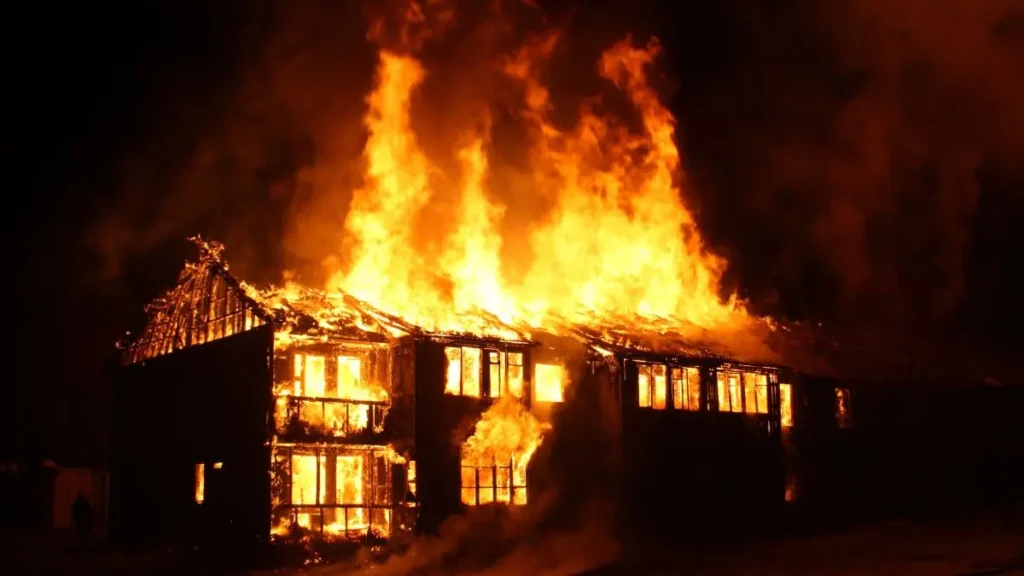
Hearing directly from professionals always adds perspective. Battalion Chief Terrence Lowe explained that while the fire started in the chimney, firefighters were able to contain it in the attic before it spread further. That quick, strategic response made a huge difference in preventing more serious damage.
It’s a reminder that local fire departments are not just responders—they’re educators too. They can give guidance on prevention, evacuation plans, and what to do immediately after a fire.
Practical takeaway: Stay connected with your local fire department. Many offer safety checklists, inspection reminders, and community advice that can help you avoid becoming a statistic.
How to Prevent Chimney Fires at Home?
I always tell friends that prevention is easier than dealing with a fire. Chimney fires don’t just happen randomly—they often start because of things we can control. Regular cleaning and inspection is the first step. Removing creosote buildup, checking for cracks in the flue, and making sure there’s no debris can drastically reduce risk.
Using the right type of wood matters too. Wet or treated wood can spark fires, while dry, seasoned wood burns cleaner. And never overload your fireplace. Small, controlled fires are safer fires.
Practical takeaway: Treat your chimney like a car—yearly maintenance keeps it safe and functional. Even one overlooked winter can turn into a dangerous fire.
Emergency Preparedness at Home
Even with perfect maintenance, accidents can happen. That’s why having a plan matters. Know the quickest exit from each room, keep fire extinguishers accessible, and test smoke detectors regularly.
When I think about the San Antonio family, I realize that preparation made all the difference between panic and safe evacuation.
I often get quick home safety tips and alerts through a WhatsApp channel that shares fire prevention advice—these little reminders can make a big difference during winter months.
Practical takeaway: Walk through your home today and make sure your family knows the plan. A few minutes of preparation could save lives.
What to Do After a Chimney Fire?
If a fire does occur, acting quickly and correctly can prevent further damage. First, call professionals to inspect the chimney, attic, and structural areas. Smoke and heat can cause hidden problems that aren’t immediately visible.
Next, check with your insurance provider. Document the damage with photos, note what was affected, and file claims as soon as possible. This ensures you’re not left with unexpected repair costs.
Finally, reflect on the incident. Could regular cleaning or safer wood use have prevented it? Learning from near-misses helps prevent future accidents.
Incidents like the Tennessee house fire, where two children tragically lost their lives, show why proactive safety checks and fire planning are not optional—they can save lives.
Practical takeaway: After a fire, don’t rush back into your home or assume everything is safe. Professional inspection and proper documentation protect both your safety and your wallet.
Lessons Learned and Next Steps for Homeowners
Reading about the San Antonio chimney fire, I can’t help but think about the small steps that make a big difference. A chimney fire may start quietly, but with the right preparation, it doesn’t have to turn into a disaster. Annual inspections, proper wood use, and working smoke detectors are simple actions that protect both lives and property.
It’s also a reminder that being part of a community matters. Sharing experiences, asking questions, and learning from others’ near-misses can help prevent future fires. Even a single conversation with a neighbor or a firefighter could give you the insight to avoid a dangerous situation.
Lastly, don’t wait for an emergency to act. Take a few minutes today to walk through your home, check your safety devices, and review your escape plan. Small proactive steps often save more than reactive ones.
Have you checked your chimney or fire safety plan this year? Share your experiences or tips in the comments below—your story could help someone else avoid a dangerous fire.
For more real-life home safety updates and tips, you can also follow us on X and join our Facebook community to stay connected with local homeowners sharing their experiences.
Disclaimer: This article is for informational purposes only and is based on reported news and expert advice. It does not replace professional inspection or emergency services. Always follow local fire safety guidelines and consult certified professionals for home fire concerns.