One in Three Home Fires in Colorado Springs Originates From Cooking, Authorities Say
I don’t know about you, but when the crisp air rolls off Pikes Peak, I immediately feel that Thanksgiving energy in the kitchen. It’s the time when families gather, the oven is running nonstop, and the smell of roasting turkey fills the house. But here’s the thing—this busy, cozy kitchen vibe is exactly what makes Thanksgiving the most dangerous day of the year for home cooking fires.
According to the National Fire Protection Association data, cooking fires spike by a staggering 240% on Thanksgiving compared to a normal day. That’s not just a number—it means hundreds of homes across the country are at risk in just one day.
And while nationwide stats are alarming, Colorado Springs matches this trend closely. One in three residential fires in the city starts right in the kitchen, with roughly 100 homes affected every year.
I’ve looked at the patterns closely, and the common thread is distractions. Phones, TV, guests, and multitasking in a crowded kitchen all contribute. It’s easy to underestimate just how quickly a momentary lapse can turn into a fire.
That’s why being aware of this spike—and planning ahead—can literally make the difference between a memorable Thanksgiving and a disaster.
How Cooking Becomes a Fire Hazard?
If I’m honest, most of us think of cooking fires as rare—something that happens in the news, not in our own kitchens. But the reality is different.
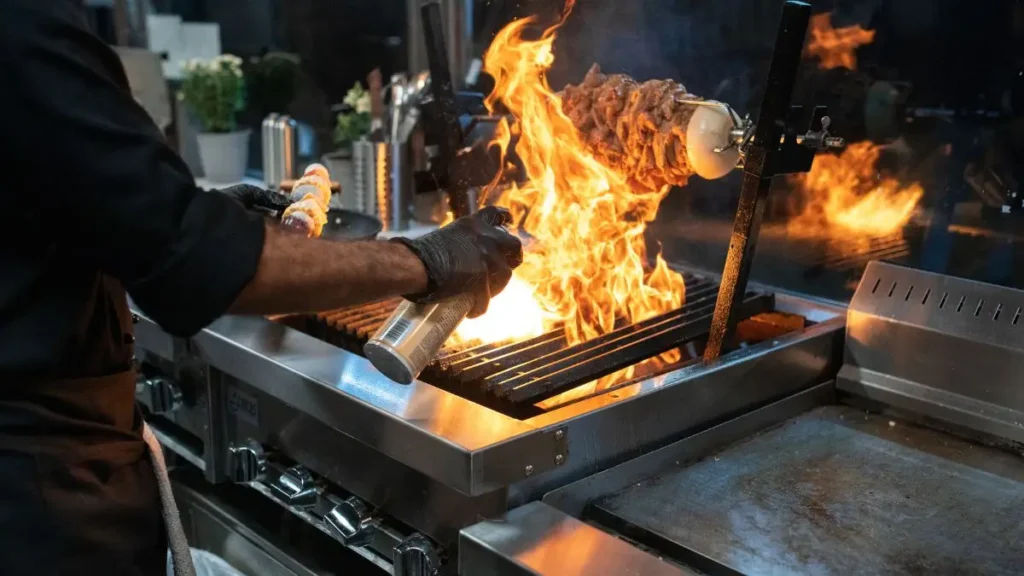
Hot oil, crowded countertops, and juggling multiple dishes at once create a perfect storm for accidents. Even a few distracted seconds can lead to a fire spreading before you realize it.
According to an analysis by SafeHome.org, these hazards are more common than you might think. Unattended cooking, especially with frying or using high heat, is the top contributor.
Combine that with everyday distractions—phones, conversations, kids running around—and you can see why kitchen fires happen so often during holiday prep.
Colorado Springs-Specific Data
Here’s where it gets real for anyone living in Colorado Springs. According to Fox21News, cooking causes one in three home fires in the city.
That’s about 100 homes each year. When you put it in perspective, it’s 13 cooking fires per 100,000 residents annually—numbers that are both striking and actionable.
Most of these fires happen during holiday seasons, and again, distractions are often at the heart of the problem. If you think “it won’t happen to me,” remember these statistics—one short lapse in attention can quickly become a disaster.
The Real Costs of Cooking Fires
We often think of cooking fires in terms of property damage, but the costs go deeper. Nationwide, cooking fires spark nearly 88,000 incidents every year, causing more than $500 million in property damage.
That’s already alarming, but the human cost is even higher—around 470 deaths annually.
In Colorado Springs, while the numbers are smaller, each fire has ripple effects: families displaced, possessions lost, and the emotional weight of knowing something preventable happened.
It’s not just about money; it’s about safety, peace of mind, and protecting your loved ones.
Tragically, some fires can turn deadly, as we saw in a recent New York house fire that left pets dead and firefighters injured
Top Safe Cooking Practices to Prevent Fires
You can dramatically reduce your risk with a few simple habits:
- Stay in the kitchen: Most fires start when food is left unattended. Even a quick scroll on your phone can be risky.
- Use timers or smart alarms: They help you track cooking times and prevent overcooking or burning.
- Keep combustibles away from the stove: Towels, oven mitts, and packaging should stay at least three feet away.
- Install and test smoke detectors monthly: They only work if they’re functional. Many fire departments, including local CSFD, offer free checks or installations.
- Keep a fire extinguisher nearby: Quick action can save lives. Make sure it’s accessible and you know how to use it.
In some cases, homes are completely destroyed before safety measures can be applied, like in this Halifax County house fire that left nothing behind.
Common Mistakes That Increase Fire Risk
Even when you think you’re careful, habits sneak in that raise your risk.
Leaving food unattended, multitasking in crowded kitchens, or underestimating the danger of hot oil are all common culprits.
I’ve seen people think, “I’ll just pop out for a minute,” or “It’s fine, I can check later,” but that’s often when accidents happen.
Small, preventable decisions add up, especially during busy holiday cooking.
Even a momentary lapse can be fatal, similar to the heartbreaking incident where a 3-year-old boy died after a house fire in Delaware County.
Preparing for the Unexpected — Fire Safety Gear
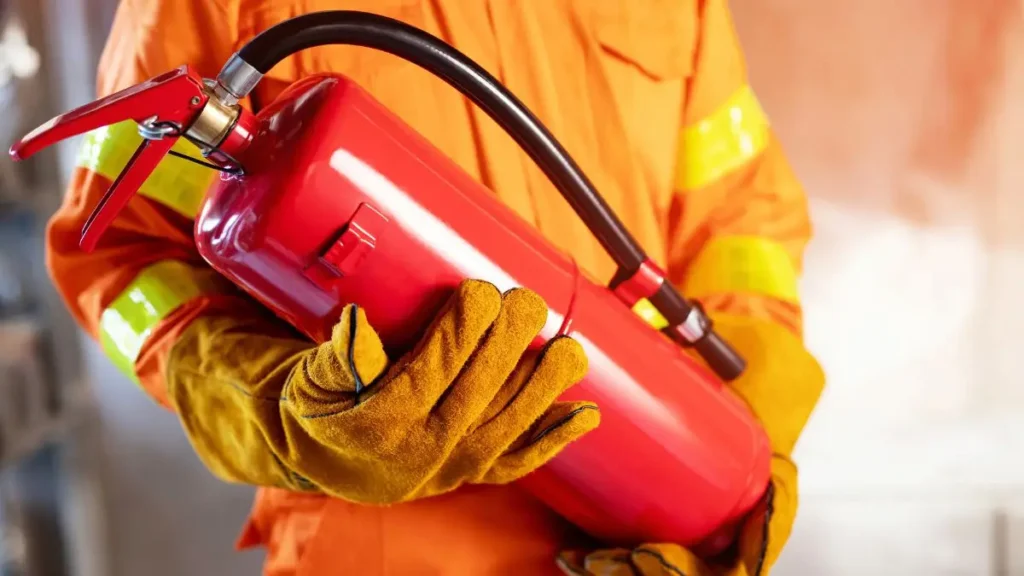
Even if you’re careful, accidents happen. That’s why having the right safety gear in your kitchen isn’t optional—it’s essential.
Keep a fire extinguisher within arm’s reach, and make sure you know how to use it. Smoke detectors should be installed in key areas and tested at least once a month.
I also recommend keeping lids nearby when frying or cooking with oil. A quick cover can smother a flame before it spreads.
Having these tools ready gives you the confidence to cook without constant anxiety, knowing you can react quickly if something goes wrong.
Many local residents also share quick safety updates and alerts through community messaging groups, which can help you stay prepared in real time.
Community Awareness and Local Resources
Cooking fires aren’t just an individual problem—they’re a community concern. The Colorado Springs Fire Department runs awareness campaigns and sometimes offers free smoke detector installations.
Following local alerts on social media or joining community safety programs can give you a heads-up on seasonal risks and prevention tips.
I’ve found that talking about kitchen safety with neighbors and friends often sparks real change. Sharing experiences, tips, or even just a reminder during holiday prep can prevent accidents before they happen.
Seasonal Tips for a Safer Thanksgiving
Thanksgiving is when kitchens get crowded and routines get hectic. Plan ahead to make it safer:
- Prep ingredients before guests arrive.
- Keep the cooking area clear of clutter.
- Assign someone to watch the stove if you’re juggling multiple dishes.
- Use timers and reminders—don’t rely on memory alone.
I like to treat Thanksgiving like a mini fire drill: a little planning makes a big difference. When everyone knows their role and the kitchen is organized, the risk drops dramatically.
Wrap-Up — Cooking Safely Protects Your Home and Loved Ones
It’s easy to get caught up in the holiday chaos and forget that even a small lapse can start a fire. One in three home fires in Colorado Springs begins in the kitchen. That’s not just a statistic—it’s a warning.
By staying attentive, using safety gear, and planning your cooking, you can protect your home, your family, and your peace of mind.
I know it’s tempting to multitask, but even a few minutes of focused attention can prevent a lifetime of regret.
For more safety tips and local fire news, visit our Home Incidents section and stay informed.
Disclaimer: This article is for informational purposes only and is not a substitute for professional fire safety advice. Always follow the guidance of local authorities and certified fire safety experts. The author and publisher are not responsible for any damages or injuries resulting from the application of this information.