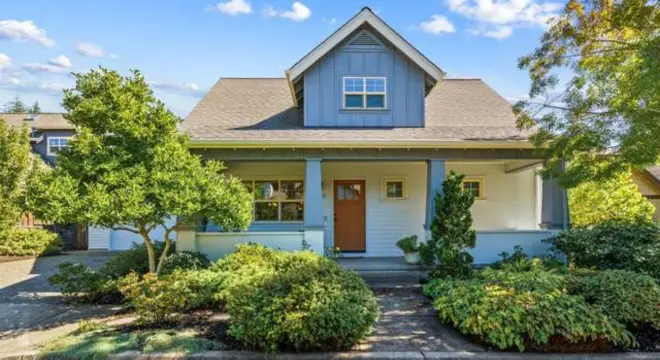
Selling in 2026? These Curb Appeal Trends Are Winning Over Buyers
When I look at how buyers react to homes today, I notice something interesting. They don’t step out of the car excited anymore. They pause. They look around. And in those first few seconds, they quietly decide whether the house feels worth their time. In 2026, curb appeal isn’t about impressing people — it’s about reassuring them.
Buyers now read the outside of a home like a signal. The paint, the entry, the landscaping — all of it tells a story about maintenance, future costs, and how easy life will feel there. If the exterior looks dated or high-effort, many buyers assume the inside will be the same, even if that’s not true.
I’ve seen homes with beautiful interiors struggle because the outside didn’t match modern expectations. And I’ve seen simple, well-thought-out exteriors create instant confidence. Today’s buyers want clarity. They want to feel that the home is cared for, energy-aware, and aligned with how they actually live — not just styled to look good in photos.
That’s why curb appeal in 2026 is changing. It’s less about decorative upgrades and more about smart, intentional choices that buyers instantly understand. When the exterior feels practical, current, and low-stress, buyers walk in with a better mindset — and that changes everything.
As you read on, think honestly about this: if you were seeing your home for the first time, would the outside make you curious — or cautious?
Understanding the 2026 Homebuyer Mindset
Why Curb Appeal Still Matters More Than Ever
If you ask me what buyers judge the fastest, it’s not the kitchen or the floor plan. It’s the moment they stop their car and look at the house. In 2026, curb appeal isn’t just about looking nice — it’s about reducing doubt. Buyers today are careful. They’re thinking about repairs, long-term costs, and whether the home feels worth the emotional and financial effort.
I’ve seen this play out again and again. When the exterior looks neglected, buyers mentally prepare for hidden problems inside. That hesitation alone can lower perceived value. Research shared by American Home Shield backs this up, showing that exterior condition directly influences buyer confidence and how much value they assign to a home.
In real terms, curb appeal now affects:
- Whether a buyer even books a showing
- How optimistic they feel walking up to the door
- How forgiving they are once they step inside
The outside sets the emotional tone before the numbers ever do.
Emotional vs. Practical Expectations (What Buyers Actually Want)
Here’s the truth most sellers miss: buyers don’t separate emotion and logic. They want both at the same time. Emotion pulls them in, but practicality decides whether they stay interested.
From buyer behavior trends highlighted by Florida Realtors, first impressions now strongly influence whether buyers feel comfortable moving forward at all.
Emotionally, buyers are looking for:
- A sense of calm, not chaos
- Signs that the home has been consistently cared for
- An exterior that feels current, not frozen in the past
Practically, they’re checking for:
- Low-maintenance materials
- Clear upkeep signals like fresh paint and clean lines
- Fewer “this might be a problem later” moments
If the exterior creates stress, buyers carry that stress through the entire tour.
How Social Media and Listing Photos Shape Curb Appeal Criteria
Before you ever meet a buyer, they’ve already compared your home to dozens of others online. I see this influence growing every year. Buyers scroll listings, save images, and absorb design cues without consciously trying to.
Conversations across Reddit make it clear that buyers now show up with visual expectations already formed. They instinctively look for:
- Clean, simple landscaping
- Balanced colors that photograph well
- Entryways that feel intentional, not cluttered
If the exterior clashes with what they’ve been seeing online, the home feels off — even if they can’t explain why. This isn’t about chasing trends. It’s about avoiding visual friction that quietly turns buyers away.
2026 Exterior Features Buyers Want Most
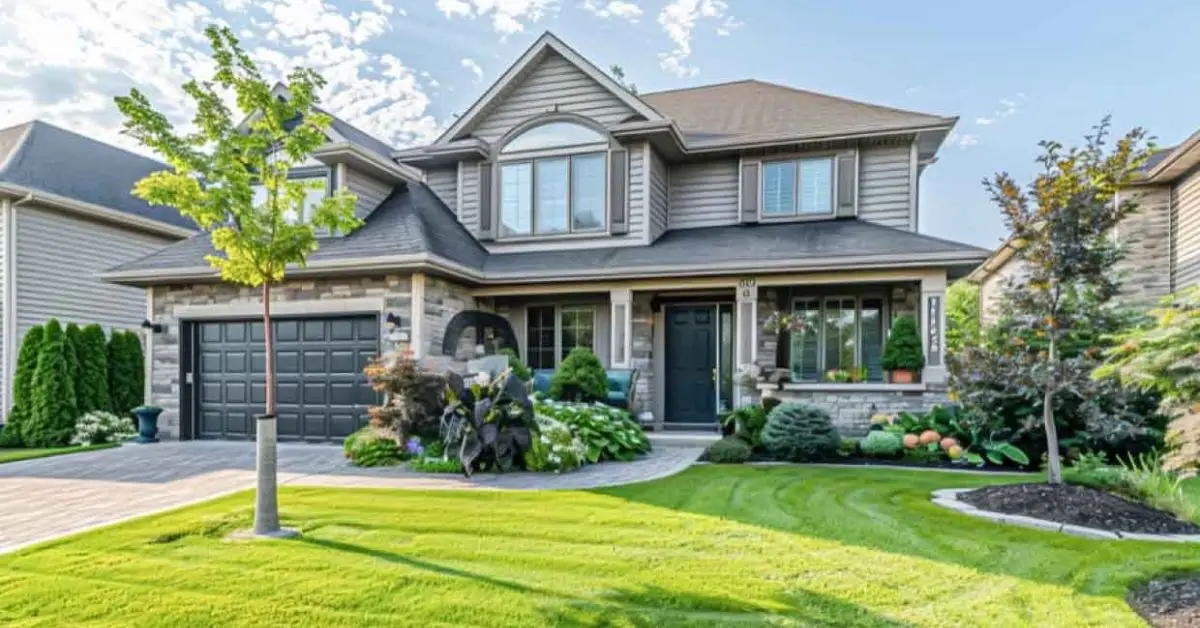
Feature 1: Sustainable and Climate-Smart Landscaping
Buyers in 2026 don’t want yards that look expensive to maintain. They want ones that look smart and manageable. Climate-aware landscaping sends a strong signal that the home is practical and future-focused.
What buyers respond to most:
- Native or drought-tolerant plants
- Clean layouts over dense greenery
- Landscaping that looks intentional, not labor-heavy
This kind of exterior suggests lower upkeep, lower costs, and fewer surprises — all major buyer concerns right now.
Feature 2: Front Entry That Makes an Impact
If there’s one spot buyers pause at, it’s the front door. That moment carries more weight than most people realize. A strong entry doesn’t shout — it reassures.
Insights shared by Forbes show that front entry upgrades consistently improve buyer perception because they anchor the entire exterior visually.
What works best:
- A solid, well-painted front door
- Updated hardware that feels modern but not trendy
- Lighting that makes the entry feel safe and welcoming
Smart and Stylish Entry Tech
Smart features don’t need to look techy. When they’re subtle, buyers read them as convenience, not clutter.
They appreciate:
- Smart locks that suggest ease of access
- Video doorbells that quietly add security
- Technology that blends into the design
It’s about comfort and confidence, not gadgets.
Feature 3: Mixed Materials & Textural Contrast
Plain exteriors feel flat to modern buyers. Homes with thoughtful material contrast feel more considered and valuable.
Buyers tend to notice:
- Wood paired with stone or metal
- Subtle texture shifts instead of bold patterns
- Materials that age well and don’t demand constant upkeep
This adds depth without overwhelming the eye.
Feature 4: Energy-Efficient Windows and Sustainable Roofs
Even when buyers don’t mention energy efficiency, they register it. Newer windows and modern roofing quietly suggest lower bills and fewer future projects.
These upgrades signal:
- Long-term value
- Responsible ownership
- Less financial stress down the road
That reassurance often shows up in stronger interest and offers. Many sellers ask me whether window upgrades are actually worth it before listing, and the answer depends on condition, market, and buyer expectations — which is why I’ve shared a clear breakdown on whether you should replace windows before putting your home on the market.
Feature 5: Outdoor Living That Feels Usable
Decorative outdoor spaces don’t convince buyers anymore. Functional ones do.
What buyers actually connect with:
- Covered porches that feel livable
- Clear walkways and usable patios
- Shade and privacy without heavy structures
When buyers can imagine daily life outside, the home feels more complete.
Curb Appeal Mistakes That Turn Buyers Off
What Buyers Notice First — and What Pushes Them Away
Before buyers admire upgrades, they spot problems. And once they notice them, it’s hard to recover.
The biggest turn-offs:
- Cracked driveways or uneven paths
- Faded paint or worn siding
- Overgrown or cluttered landscaping
These issues quietly reduce trust and perceived value.
Avoid Over-Themed or Polarizing Colors
Strong personal taste often works against sellers. Buyers want to imagine themselves living there, not adapting to someone else’s style.
Balanced, neutral colors:
- Feel more welcoming
- Photograph better
- Don’t distract from the home itself
The Cost of Ignoring Neighborhood Context
A home that looks out of place raises questions. Even expensive upgrades can feel risky if the house doesn’t fit its surroundings.
Matching the neighborhood tone builds comfort and buyer confidence.
Where Buyers Are Heading in 2026
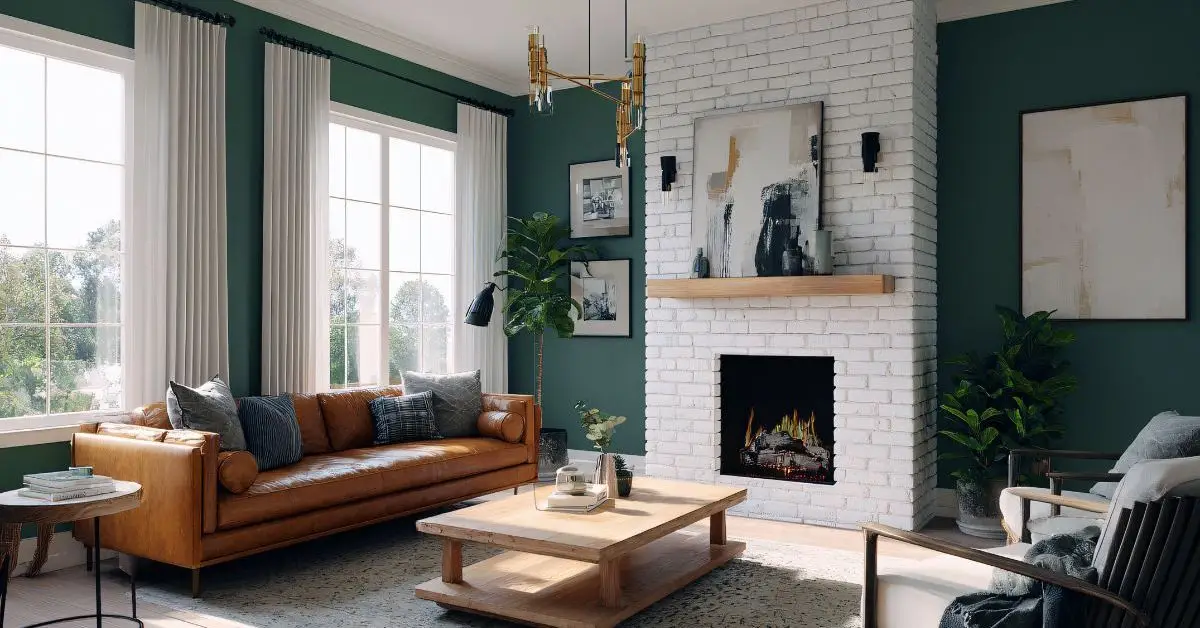
Sustainability Meets Design
Sustainable choices are no longer optional. Buyers expect eco-friendly features that feel simple and practical, not demanding.
Color and Texture Buyers Trust
Earthy tones and natural finishes feel current without feeling risky. Buyers trust what feels grounded and familiar.
Outdoor Functionality as a Value Signal
Usable outdoor space now reads as lifestyle value. It tells buyers the home supports how they actually live — not just how it looks.
If you were a buyer seeing your home for the first time, what would the exterior quietly promise — ease, confidence, or extra work?
Quick ROI-Driven Curb Appeal Moves (2026 Playbook)
Small Changes With Big Perceived Value
When I work with sellers, the first thing I tell them is this: you don’t need a huge budget to make buyers feel confident. What matters most is clarity and care. Buyers judge a home in seconds, and small upgrades can make the exterior read as well-maintained and trustworthy.
Here are simple moves that routinely shift buyer perception without huge cost:
- Swap out dated door hardware and house numbers
- Replace worn light fixtures with clean, modern ones
- Add fresh mulch and edge every planting bed
- Trim hedges and clean walkways so lines feel intentional
These changes don’t shout “renovation.” They quietly say, this home has been cared for. And buyers notice that. If you’re wondering where to start without overspending, I’ve broken down a few practical, high-impact ideas in this guide on curb appeal tricks smart sellers use to attract top-dollar buyers that consistently move buyer perception in the right direction.
Landscaping Techniques That Add Emotional Appeal
Good landscaping isn’t about being fancy. It’s about guiding a buyer emotionally — from curiosity to comfort — before they ever step inside.
Think of your landscaping as a path that leads a buyer’s brain, not just their feet. What works best:
- Clear pathways that don’t feel cramped or chaotic
- Repeated plant themes for visual calm
- Layered outdoor lighting that feels warm instead of stark
- Greenery that frames the home instead of hiding it
When a buyer’s first thought is “this feels inviting,” you’ve already won part of the battle.
Tech Touches That Signal Modern Value
Exterior tech doesn’t need to look like a gadget showroom. In fact, the most effective upgrades are nearly invisible — they just make buyers feel secure and up to date.
Features I recommend:
- Smart entry systems that feel easy and familiar
- Motion-activated pathway lighting
- Door hardware and security features that read as thoughtful, not flashy
These touches suggest the home is cared for and current — and in 2026, that matters a lot in buyers’ minds.
Advanced Considerations for Competitive Markets
How to Position Your Curb Appeal Against Competing Listings
In markets where buyers scroll through dozens of homes in minutes, numbers don’t decide — impressions do. Your home exists in a visual lineup with every other listing.
To stand out without overspending:
- Remove anything that looks dated before photos
- Make sure your best exterior features are in the first few listing images
- Balance the yard so nothing feels messy or unfinished
You don’t have to outspend nearby homes. You only have to look easier to live in. In competitive markets, it also helps to understand which upgrades buyers quietly value the most — some features add more leverage than people expect, as I’ve explained in these home features that can add more value than you think.
Local Market Nuances (Urban vs. Suburban Priorities)
One mistake I often see is treating every home the same. Buyers in different locations look for different things.
In urban areas, buyers tend to prefer:
- Clean lines and modern materials
- Low-maintenance front areas
- Security and lighting that feels intentional
In suburban areas, buyers often value:
- Welcoming entries and usable outdoor space
- Lawn areas that feel family-friendly
- Privacy without isolation
Knowing who is likely to buy your home changes what improvements make the most sense.
Integrated Visual Strategy for 2026 Listings
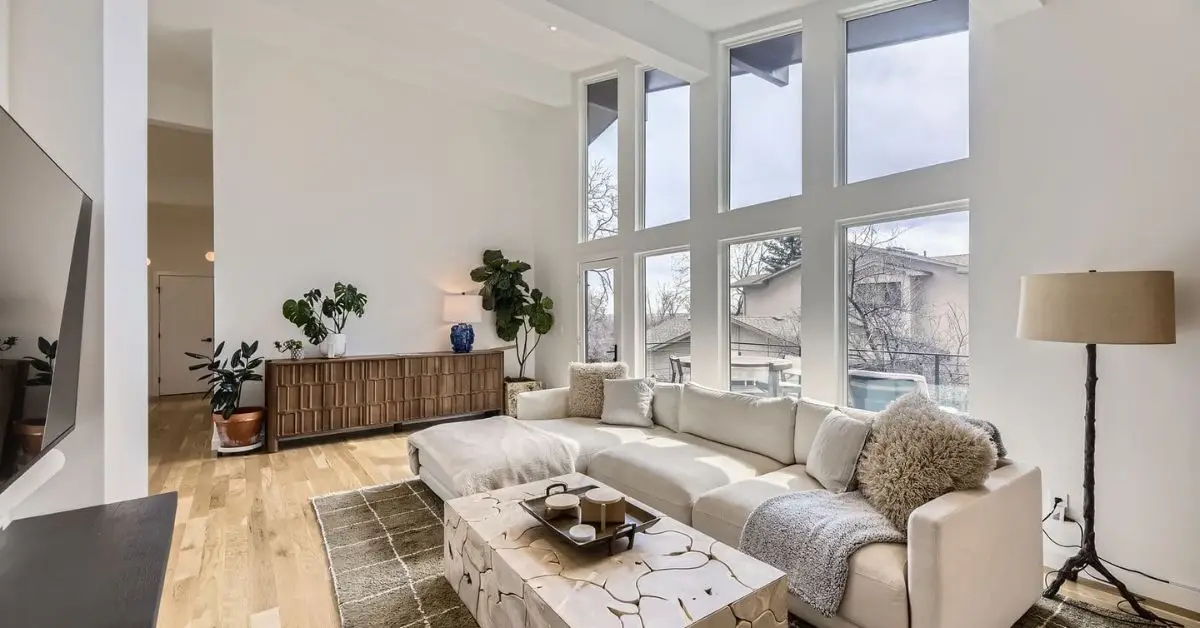
Optimizing Curb Appeal for Photos & Tours
Most buyers meet your home on a screen first. How the exterior photographs sets the stage for every decision after.
Before photos or showings:
- Shoot in soft, natural light — not harsh midday sun
- Turn on exterior lighting for warmth and depth
- Remove cars, bins, and visual clutter
- Make sure the front door is clearly visible in at least one shot
These small staging moves make your home look calm and considered — not rushed or unfinished.
Narrative-Driven Listing Copy That Amplifies Exterior Upgrades
What you say about curb appeal matters just as much as what you show. Buyers don’t just read features; they read meaning.
Instead of flat statements, focus on benefits:
- “Low-maintenance landscaping for easier weekends”
- “Energy-efficient windows that cut future costs”
- “Spacious, shaded front porch for everyday living”
This way of describing upgrades matches how buyers think and what they’re searching for.
Turning First Impressions Into Offers
Curb appeal in 2026 isn’t about decoration. It’s about communication. It tells buyers whether a home feels safe, smart, and worth their attention. When the exterior removes doubt and builds trust, buyers walk in already leaning toward yes.
If you’re thinking about your next sale or renovation and want practical steps that turn those first impressions into real offers, I’d love to help.
What exterior upgrade do you think would make the biggest difference for your home right now? Drop a comment below — and if you want more personalized advice, visit Build Like New to see how we help homeowners make curb appeal count.
Disclaimer: This content is for general informational purposes only and reflects current market observations and buyer behavior trends. It is not financial, legal, or real estate advice. Buyer preferences and results may vary based on location, market conditions, and individual property factors.