3 Dogs Rescued as Fire Breaks Out in Dakota Dunes Home; Residents Away
I want to start with the one thing that struck me first: this fire didn’t just damage a home — it could’ve changed lives in seconds. A little after 1 p.m. on Nov. 26, the day before Thanksgiving, flames tore through a house on Cherry Hills Lane in Dakota Dunes.
If you’ve ever seen a garage fire take off, you know how fast things can go wrong. By the time crews arrived, smoke was pushing out from almost every part of the home.
No one was inside, and that alone prevented a much darker headline. But three dogs were trapped. Firefighters pulled all of them out — including one that was blind and couldn’t navigate the thick smoke. That detail stayed with me, because it tells you how fast a normal day can flip into a crisis you’re not there to stop.
This wasn’t a small fire crews knocked down in a few minutes. First responders were on scene for hours, fighting heavy flames in the garage, chasing fire that crawled into the attic, and checking for hotspots long after the worst of it was out.
When you hear officials call a house “severely damaged,” this is the kind of scene they’re talking about — the kind where you’re grateful people walked away safe, but you know the home won’t be the same again.
If you were the homeowner, what’s the first thing you’d want to know right now — the cause, the safety of your pets, or how bad the damage really is?
How the Fire Started and Spread?
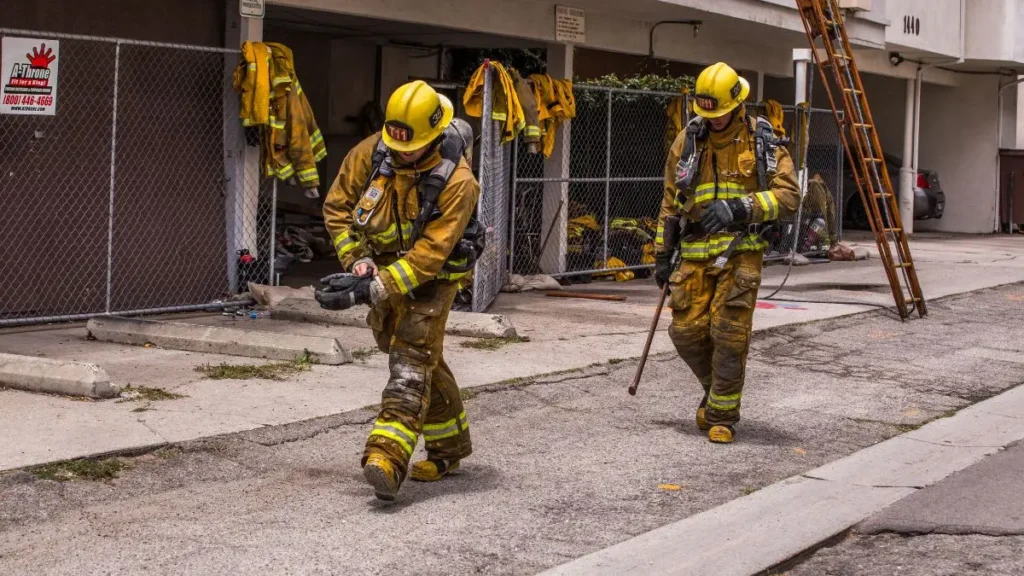
When I went through the initial reports, the first thing that stood out was how quickly this fire escalated. According to Dakota News Now, smoke was already pouring from multiple parts of the home by the time crews arrived — the garage, the attic, and even interior sections where the flames had pushed beyond the first point of ignition.
What we know for sure is that the fire started in the garage. That detail came from Fire Marshal Jay Mathis, who confirmed the origin point early on. Garage fires are tricky. They start in a closed, cluttered part of the home where you usually store things that burn hot and fast — paint, tools, old furniture, car parts, wiring, anything. So once the flames got traction, they moved quickly.
The SUV inside the garage was on fire too, but Mathis made it clear it wasn’t the cause. That tells me something else in that garage failed or overheated — wiring, equipment, or a stored item. And honestly, that unknown is important, because it’s the exact gap most news reports gloss over. The cause is what homeowners want to understand so they can prevent it in their own homes.
What hit me even harder was how the fire didn’t stop at the garage. Mathis explained that it “jumped into the attic,” which is basically a worst-case scenario. Once flames get into open space above the ceilings, they travel fast and quietly. At that point, the fire isn’t just destroying one room — it’s threatening the entire structure.
That’s why crews had to switch to a more aggressive “blitz attack.” And if Dakota News Now’s on-scene description tells you anything, it’s that this wasn’t a simple, contained fire — it was a full-scale fight.
This reminded me of another heartwarming rescue in East Charlotte, where firefighters saved a puppy from a burning home — it’s incredible to see these teams act so fast.
The Rescue: Firefighters Save Three Dogs
The part of this story that sticks with most people — including me — is the rescue. KTIV’s report confirmed that three dogs were trapped inside when the fire broke out, and firefighters managed to save all of them. One of those dogs was blind. Imagine being inside a smoke-filled home, unable to see, with alarms blaring and heat building around you. That dog didn’t stand a chance on its own.
A resident told KTIV that the blind dog struggled to find a way out, and honestly, that detail hits harder than any structural damage. Pets panic fast in fires, and even healthy animals lose their sense of direction once smoke fills a room.
Firefighters had to get inside a burning home, with flames already in the garage and attic, and locate animals who couldn’t even call out for help. That’s not a simple task. It’s a mix of instinct, training, and split-second decision-making.
The good news — and the part that makes the whole neighborhood breathe again — is that the blind dog was taken to a veterinarian and is expected to be okay. You never take those wins lightly.
I always say: when a fire breaks out and the humans are safe but pets are trapped, that’s the moment when every second feels like it matters twice as much.
If you want to get real-time updates about incidents like this straight to your phone, there’s a quick way to stay in the loop through WhatsApp alerts.
The Response: Firefighters, Police, and Community Support
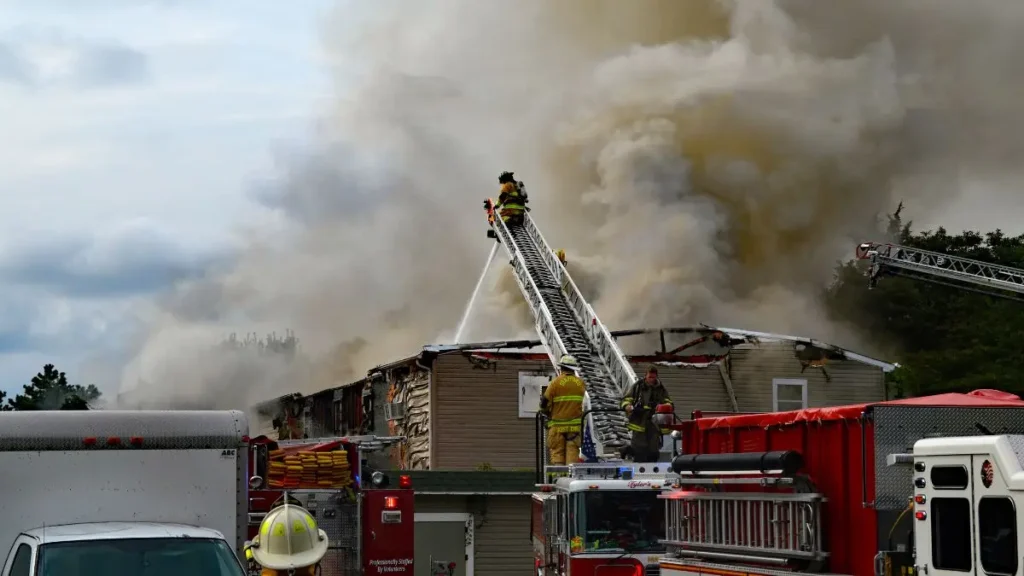
House fires in communities like Dakota Dunes don’t get fought by one department. They get fought by a network of people who show up fast because they know every delay makes the situation worse.
From what officials shared, here’s who responded:
- Firefighters from North Sioux City, South Sioux City, and Sergeant Bluff
- Union County Sheriff’s Office
- North Sioux City Police
- Jefferson Police
- Dakota Dunes maintenance personnel
When multiple departments roll in like this, you can usually tell the fire had already grown beyond a “room and contents” situation. These teams don’t call backups unless conditions demand it.
I’ve covered enough incidents to know this: when you see law enforcement, fire crews, and local maintenance teams all working together, it’s usually because there’s a danger the public can’t see — hotspots in the attic, structural weaknesses, or the possibility of the fire reigniting.
And that’s exactly what they stayed for. Even after the flames were knocked down, crews remained at the scene for several hours, continuing to check the attic and garage areas. That kind of vigilance is what prevents a second fire from sparking later in the night.
Damage: What the Fire Left Behind
Let me put this plainly: the home took a serious hit.
Between the garage being fully engulfed and the fire spreading into the attic, the structure was exposed to two of the most destructive fire patterns you can get — high-intensity flames below and fast-moving heat above. Add in the smoke that Dakota News Now described rolling through multiple parts of the building, and you can imagine how difficult the cleanup and recovery will be.
Smoke damage alone can ruin entire rooms, even if flames never touched them. It gets into walls, insulation, furniture, wiring — everything.
The garage? That part is essentially gone. A full rebuild is likely.
The attic? Fire in that space usually means major interior demolition just to assess the damage safely.
And because crews stayed for hours checking for hotspots, it tells you the fire had already compromised parts of the home in ways you don’t always see from the outside.
If you’ve ever wondered why homeowners spend days dealing with insurance adjusters after a fire like this… this is why. The visible damage is only half the story.
The extent of damage here is similar to what happened in North Tonawanda, where a family lost their home to a fire and officials launched a full investigation.
Investigation: What We Know and What’s Still Unanswered
Right now, the one question everyone wants answered is the same one investigators are still working on: what actually started the fire?
We know:
- It started in the garage
- The SUV caught fire, but did not start the fire
- No residents were home
- The fire spread upward into the attic
- The cause remains officially undetermined
Garage-origin fires are some of the hardest to pin down because the space usually contains dozens of ignition possibilities — electrical equipment, extension cords, appliances, batteries, fuel, tools, old wiring, stored chemicals. And when flames tear through the area, it destroys the clues investigators normally rely on.
Fire Marshal Mathis will likely focus on electrical sources first, simply because that’s one of the most common triggers in enclosed spaces. But until the investigation closes, anything beyond the confirmed origin point is speculation.
If you’re reading this and wondering what the most likely cause could be, I’d still tell you to wait for the official findings. In cases like this, the truth usually comes down to one small detail that survived the fire — a melted outlet, a heat-damaged appliance, or a wiring pattern that doesn’t match the burn path.
In another recent case in Paradise, crews worked together to contain a blaze while the investigation continued — showing how crucial rapid coordination is during emergencies.
What Fire Crews Found When They Arrived?
When I talked through the details from officials, one thing stood out: firefighters didn’t just walk into a normal house fire — they walked into a fast-moving, stubborn blaze that had already slipped into the attic.
Crews said the garage was fully engulfed when they got there. A “blitz attack” with a large line knocked some of it down, but the fire had already found the attic spaces, which is every firefighter’s frustration point. Once flames get above you, they can travel quietly and unpredictably.
If you’ve ever watched a fire move through a home, you know how quickly it can shift from one room to the next. This wasn’t a small event — this was a true fight to keep the house from collapsing into itself.
How Long Firefighters Stayed on Scene?
Something else that doesn’t always make headlines is how long these crews stay after the flames look “out.”
Mathis said they expected to stay for hours into the night, checking for hotspots. And if you’ve spent time around fire crews, you know exactly why: attic fires love to hide.
This part always stays with me — while everyone else is heading home for the holiday, these firefighters are standing on a cold roof, digging through insulation, making sure the family doesn’t lose even more.
It’s the kind of behind-the-scenes work that never gets enough credit.
The Community Response
One thing I really appreciate about small communities like Dakota Dunes is how fast different agencies come together. This wasn’t just one fire department rolling up and handling it alone.
You had crews from Sergeant Bluff, North Sioux City, and South Sioux City, plus the Union County Sheriff’s Office, local police departments, and even maintenance staff from Dakota Dunes. Everyone stepped in.
Moments like this remind me why community matters. When a fire hits — especially the day before Thanksgiving — nobody asks whose jurisdiction it is. They just show up.
And honestly, that says more about a place than any statistic ever could.
Final Thoughts
Whenever I read stories like this — a family out of their home, pets rescued, a holiday interrupted — I can’t help thinking how fragile normal life really is. One spark, one garage fire, and everything changes.
But I also think about the flip side: the firefighters who won’t hesitate, the neighbors who stand outside watching and hoping, the responders who put in the hours long after the cameras leave.
If you were in their place, what would you want your community to do for you?
And if you’re reading this from Dakota Dunes… how is the neighborhood holding up today?
For more stories about home safety and fire rescues, visit our Home Incidents category.
Disclaimer: The information in this article is based on official reports and statements from local authorities at the time of publishing. Details such as the fire’s cause are still under investigation and may change as new information emerges. This article is intended for informational purposes and not as professional advice.