Top 14 Things to Declutter for a Fresh Post-Holiday Home
The holidays are over, but the mess always seems to stay longer than the memories.
I see this every year—boxes shoved into closets, gift bags piled in corners, kitchen cabinets barely closing. And if you’re a homeowner, that clutter doesn’t just look bad. It quietly eats up space, time, and mental energy.
Right after the holidays is the easiest moment to reset. You already know what you used, what you ignored, and what you’re realistically never going to touch again. That clarity fades fast once routines return, which is why waiting “until later” almost never works.
Most articles tell you to “declutter your home” in a general way. That’s not helpful. What actually works is knowing exactly what to remove first—the items that create the most visual noise and storage pressure.
I’m going to walk you through the specific things I always recommend decluttering right after the holidays, based on what actually piles up in real homes—not ideal ones you see online.
Before we start, take a quick look around your space. Which area is bothering you the most right now?
Quick Start: 3 Declutter Rules to Keep You Focused
Before touching a single item, I want you to slow down for a moment.
Most people don’t fail at decluttering because they have too much stuff. They fail because they start without a plan. I’ve seen this happen in real homes again and again—you open one space, find ten categories of clutter, and your motivation disappears.
These three rules keep you grounded and focused.
Rule #1: One area at a time
Your goal is not to declutter your entire house today.
Your goal is to finish one space completely.
Choose something small:
- One drawer
- One cabinet
- One shelf
When you finish a single area:
- You see visible progress
- Your brain feels rewarded
- It becomes easier to keep going
Jumping between rooms creates mess, not momentum. If you want an easy place to begin, start small with a space you use every day—like your nightstand. Decluttering it first builds instant momentum, and this guide on how to declutter your nightstand and remove the things you won’t miss at all shows exactly how to do it without overwhelm.
Rule #2: Sort into only three piles
Decluttering is decision-making. Too many choices slow you down.
Everything you touch goes into one of these:
- Keep – you use it, need it, or genuinely like it
- Donate – useful, but not for you
- Toss – broken, expired, or unnecessary
Avoid creating a “maybe” pile. That’s just delayed clutter.
Rule #3: Set a short timer
I recommend starting with 20 minutes.
You’re not committing your entire day. You’re just showing up for a short, focused session. Many professional organizers recommend this momentum-based method, including tips shared by HomeNipTuckEmma.
Now that you have a process, let’s talk about what actually needs to go.
Top 14 Things to Let Go After the Holidays

I’ve organized this list from biggest impact to easiest wins, so you can start where it feels right for you.
1) Holiday Decorations
This is the most common post-holiday clutter.
Keep the items you truly enjoy using. Let go of:
- Broken lights
- Duplicate ornaments
- Decor you didn’t use this year
If something stayed in a box all season, it’s already telling you something.
Lifestyle experts at Real Simple consistently point out that unused holiday décor is one of the biggest causes of wasted storage space in homes after the holidays.
2) Gift Wrap, Bags, and Packaging
These pile up quietly and take more space than you realize.
Do this instead:
- Flatten what you’re keeping
- Recycle torn or excessive items
- Keep only what fits neatly in one container
If it overflows, you have too much.
3) Leftover Food and Pantry Overflow
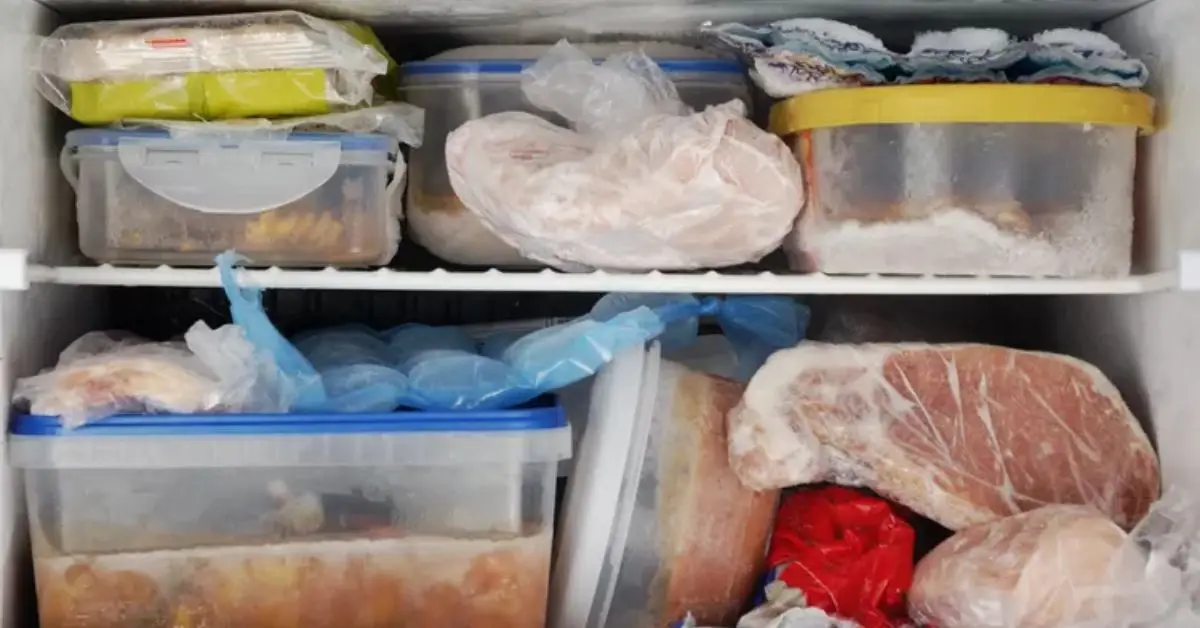
Holiday meals leave behind chaos.
Check:
- Refrigerator leftovers
- Opened snacks
- Specialty ingredients you won’t use again
Clearing this space improves safety and daily convenience.
4) Unwanted or Duplicate Gifts
Holding onto gifts out of guilt creates silent resentment.
If you haven’t used it:
- Return it
- Donate it
- Regift it thoughtfully
Your home should support your life, not store obligations.
5) Toys and Kids’ Gifts No One Uses
Kids move on faster than adults expect.
Go through:
- Broken toys
- Outgrown items
- Gifts that never held interest
Involving kids helps them understand choice and generosity.
6) Holiday Cards and Mail
You don’t need to keep everything to remember the moment.
Try this:
- Save a few meaningful cards
- Recycle the rest
- Clear old mail immediately
Paper clutter builds stress fast.
7) Seasonal Clothing and Winter Gear
Be honest with yourself here.
If you didn’t wear it this season and it still fits, chances are:
- You don’t like how it feels
- It doesn’t suit your lifestyle anymore
Outerwear takes up valuable space—make it earn that space.
8) Baking and Special-Occasion Kitchen Tools
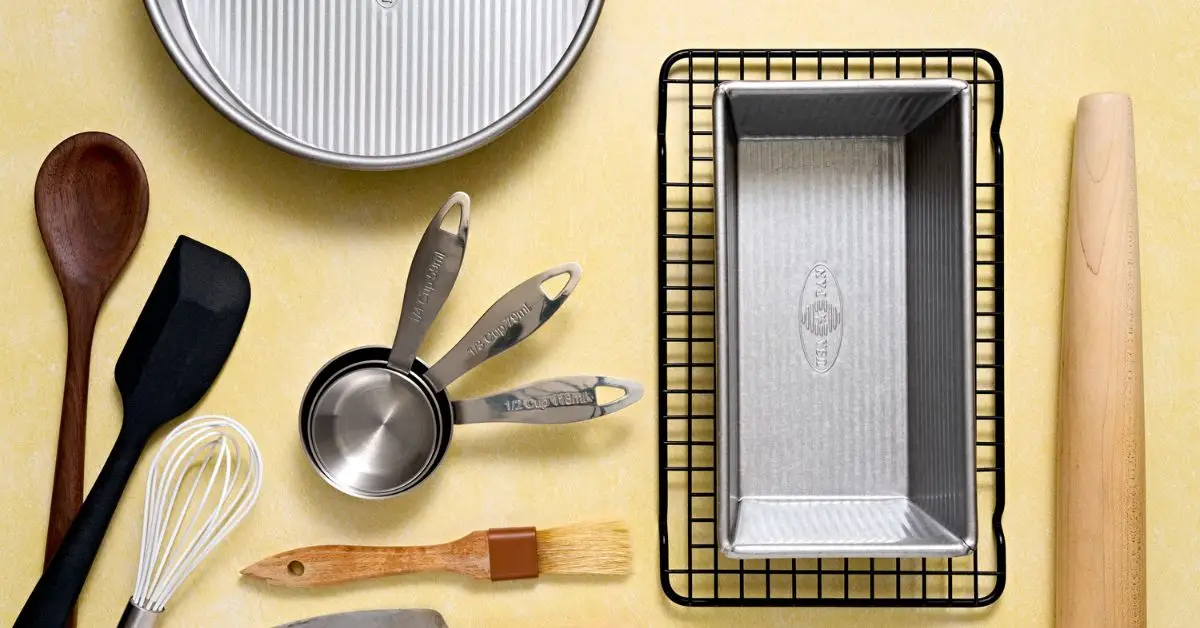
Holiday cooking brings out tools you rarely use.
Look for:
- Duplicate gadgets
- Specialty pans used once a year
- Items you forgot you owned
If it doesn’t support your normal routine, let it go.
9) Event-Specific Serveware and Tableware
Ask yourself one simple question:
Would I use this outside of a holiday?
If not, it’s okay to donate it. Cabinets work best when they store practical items.
10) Extra Blankets and Throws
Hosting often means pulling out everything.
After guests leave:
- Keep what you actually use
- Donate extras
Linen closets fill up faster than you expect.
11) Digital Clutter
Clutter isn’t only physical.
Clean up:
- Holiday photos you won’t revisit
- Promotional emails
- Old downloads
Mental clarity improves almost instantly when digital noise is reduced.
12) Old Seasonal Decor That Never Got Put Away
Some decorations never make it back to storage.
If it’s been sitting out since another holiday, deal with it now. Otherwise, it becomes background clutter.
13) Games and Puzzles That Are Incomplete or Ignored
Missing pieces don’t come back.
If it hasn’t been used and isn’t complete:
- Donate it
- Toss it
Your living space should feel usable, not crowded.
14) Receipts, Manuals, and Holiday Paperwork
Most of this is temporary.
Do this once:
- Keep receipts needed for returns or warranties
- Scan important documents
- Discard the rest
Paper piles grow quietly and stay longer than they should.
If you could only declutter one of these today, which one would make the biggest difference for you right now?
Bonus: The Psychological and Emotional Side of Decluttering

This is the part most decluttering articles skip—and honestly, it’s why people get stuck.
A lot of clutter isn’t physical. It’s emotional.
I’m talking about aspirational clutter—those items you keep because of who you think you should be:
- Clothes you bought for goals you never pursued
- Kitchen gadgets you thought you’d use
- Decor that looked good in theory, not in your space
Letting go of these items feels uncomfortable because it feels like letting go of a version of yourself.
Here’s a simple test I use when I’m unsure about an item:
- Did I actually use this in the last year?
- Would I buy it again today?
If the answer is no, it’s not serving your life anymore; it’s just taking up space.
Sometimes I even journal a quick thought while I’m deciding:
- Why am I keeping this?
- What am I afraid of losing if I let it go?
That emotional honesty makes decisions faster and lighter. If you still feel stuck even after asking these questions, it may help to take emotional distance from your belongings altogether. The no-contact decluttering method explains how stepping away from items can make letting go feel calmer and far less stressful.
Experts in home organization also note that post-holiday clutter often hangs around because we attach memories and expectations to items. According to insights shared by Homes & Gardens on post-Christmas clearing, acknowledging emotional attachments is key to letting go in a meaningful way.
Decluttering isn’t about becoming minimal. It’s about making space for what truly supports your life right now.
After You Declutter: How to Maintain Order Through the Year
Cleaning out your home feels amazing… until it slowly creeps back.
Keeping clutter from returning isn’t magic—it’s simple habits.
Use the one-in, one-out rule
Every time something new arrives, let something old leave:
- New jacket in → old one out
- New dish → unused dish goes
This habit keeps your space balanced without massive effort. To make this habit stick long-term, pairing decluttering with daily routines helps a lot. Simple morning rituals to declutter your home and simplify your day can prevent clutter from building up again before it even starts.
Do a monthly micro-declutter
You don’t need marathon sessions.
Once a month, focus on:
- One drawer
- One shelf
- One digital folder
Even ten minutes makes a difference when done consistently.
Set seasonal reminders
Your home’s needs change with the year. Your routine should too.
Use your digital calendar for:
- Closet check-ins
- Holiday décor storage days
- Pantry refresh reminders
When you schedule maintenance ahead of time, it stops feeling like a chore.
The goal isn’t a perfect house. It’s a home that supports your life day after day, quietly and comfortably.
Bringing It All Together: A Fresh Start That Actually Lasts
Decluttering after the holidays isn’t really about getting rid of things. It’s about clearing the noise so your home can work for you again.
When you focus on the right items, use a simple process, and stay honest about what you actually use, the whole experience feels lighter. You’re not chasing perfection. You’re creating space—physically and mentally—for everyday life to feel easier.
If you take one thing from this guide, let it be this: clutter doesn’t disappear on its own. But when you handle it with intention, it stops coming back as chaos.
I’d love to hear from you. Which area of your home do you plan to declutter first—or which one do you keep putting off? Drop your thoughts in the comments and let’s talk through it.
If you found this helpful, explore more practical home care, organization, and improvement guides on Build Like New. The goal is simple: help you maintain a home that feels calm, functional, and truly yours—long after the holidays are over.
Disclaimer: The tips shared in this article are for general home organization and lifestyle guidance only. Results may vary based on individual homes, habits, and personal circumstances. Always use your own judgment when decluttering, especially with food, documents, or items of value.