Firefighter Injured During Denver House Fire Floor Collapse
I’ll never forget reading about this one. A Denver firefighter fell through the floor of a burning home on Sunday, and honestly, it could have ended much worse. The call came just after 4 p.m., near W. Alameda Avenue and S. Knox Court. From what I gathered, the fire had started in a crawl space under the house, silently eating away at the support beams until the first floor gave way.
Imagine being inside, knowing the floor beneath you could collapse at any moment. That’s exactly what happened to one of the crew members. But thanks to the quick reflexes of his teammates, he was pulled to safety almost immediately. He did walk away with minor burns on his arm, which, given the circumstances, is nothing short of miraculous.
When the team finished their search of the home, they didn’t find anyone else inside. That detail might seem small, but it tells you just how chaotic and dangerous house fires can be—even when it looks like no one is home. It also shows the split-second decisions firefighters make to protect not just civilians, but each other.
Why Floors Collapse During House Fires?
I’ve seen plenty of house fire reports, but most skip the part that terrifies firefighters the most: structural collapse. In this Denver fire, the first floor gave way because the flames started in the crawl space underneath the home. CBS News reported that the fire had burned through the supports, leaving the floor dangerously unstable.
What most people don’t realize is how quickly heat can compromise wooden beams or joists. Even a fire that seems contained can weaken the structure silently. Add water from hoses and the weight of a crew moving across a floor, and you’ve got a perfect storm for collapse.
Crawl spaces, basements, and older homes are especially risky, which is exactly why firefighters are trained to move cautiously and check the floor ahead of every step.
If you’ve ever walked on an older floor, think about the difference when it’s burning from underneath. One wrong step could be fatal—not just for firefighters, but for anyone inside a home during a fire.
Similar risks were seen in other incidents, like the Cincinnati firefighters who battled a large fire at a vacant East Price Hill residence, where structural hazards challenged the crew.
How Firefighters Prepare — Training and Safety Measures
I always like to look at what the Denver Fire Department does to prepare for emergencies like this. According to their official X post, the rescue happened because the crew immediately responded and followed their safety protocols.
Fire in crawl space burned through the first floor. FF fell through this opening but was quickly rescued by crews on scene. Searches of the remainder of the house were negative. pic.twitter.com/FPjMJaL4El
— Denver Fire Department (@Denver_Fire) December 8, 2025
Firefighters aren’t just running into flames blindly. They train for situations exactly like this: checking floors, using thermal imaging cameras, moving in teams, and communicating constantly. Still, as this incident shows, even the best training can’t predict every hazard.
Fires are unpredictable, and structural collapses can happen in seconds. That’s why teamwork and quick thinking are just as important as any protocol.
You start to appreciate that firefighting isn’t just physical—it’s mental. Every decision can mean the difference between life and serious injury.
Other incidents, such as the South Memphis home engulfed in flames, remind us that even small preventive measures at home can make a significant difference.
Lessons for Homeowners
Reading about this made me think about what I’d do if a fire started in my own home. Crawl spaces are often overlooked, but they can hide serious risks.
You need working smoke alarms on every floor, clear escape routes, and an understanding of where potential structural weak points exist.
Inspecting your home, especially older ones, isn’t glamorous, but it’s crucial. Knowing your house layout, checking electrical wiring, and keeping exit paths clear can make all the difference in an emergency.
For quick tips and real-time updates on fire safety, you can also get short, actionable advice straight on WhatsApp.
Lessons for Fire Departments and Authorities
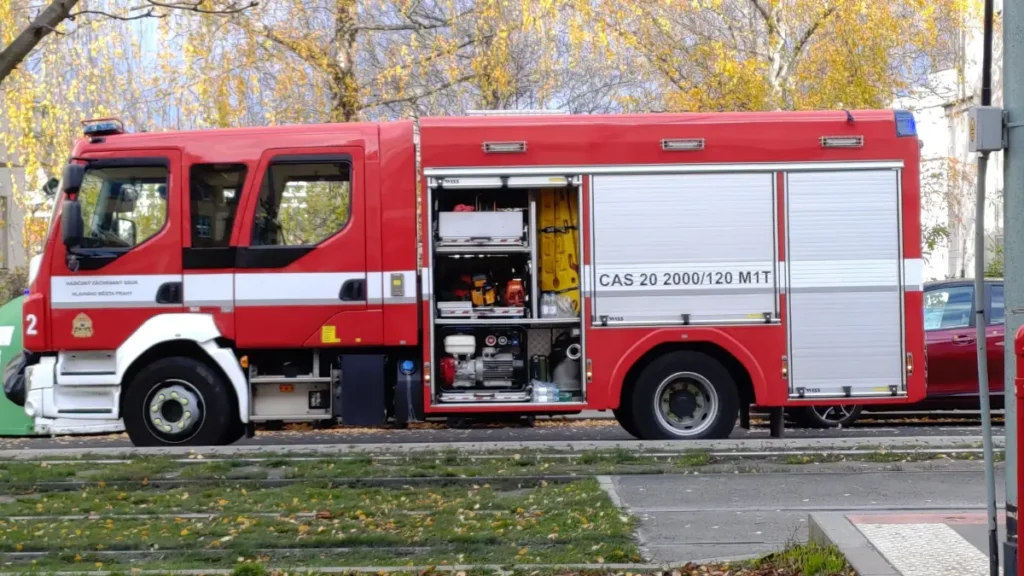
This fire also highlights areas where fire departments and local authorities can learn. Regular training for floor-collapse scenarios, updated building inspections, and public safety campaigns could reduce risks in future incidents.
Even with the best preparation, firefighters face unpredictable hazards. That’s why continual assessment, drills, and updated safety protocols are critical.
It’s a reminder that the job isn’t just heroic—it’s dangerous work that demands constant improvement and support from the community.
Stories like the Baldwin County fire, where a family lost their home, pets, and vehicles, show just how quickly a fire can change lives and why community awareness is critical.
Key Takeaways and How You Can Stay Safe
After following this incident closely, a few things stand out to me. First, even trained firefighters can face life-threatening situations in a matter of seconds—like the floor collapse during this Denver house fire. Second, structural hazards like crawl spaces or older floors are often hidden dangers that can turn a routine fire response into a rescue mission.
For you, the takeaway is simple but powerful: take fire safety seriously at home. Check smoke alarms regularly, plan escape routes, and inspect areas like basements or crawl spaces. Being proactive could save your life—or someone else’s.
Finally, let’s not forget the human side of this story. The courage, quick thinking, and teamwork of the Denver Fire Department made the difference between tragedy and a minor injury. It’s a reminder that every firefighter’s life is worth protecting, and that communities benefit when we stay aware and prepared.
What about your own home? Do you know all the potential weak points that could make a fire more dangerous? Take a moment today to walk through your house and see where you can improve safety. Sharing your findings with friends or neighbors could make a real difference—because fire safety is something we all need to think about.
If you want to read more real-life fire rescue stories and safety guides, check out our website Build Like New for more insights.
Disclaimer: The information in this article is based on publicly available reports and official statements. It is intended for educational and informational purposes only. Always follow the guidance of local authorities and fire safety professionals in emergencies.