Dish Rags vs Paper Towels: Which One Actually Cleans Better?
I’ve spent countless hours wiping down countertops in my kitchen, and I’ve always wondered—does it really matter whether I reach for a dish rag or a paper towel? On the surface, it seems simple: one is reusable, the other disposable. But once you start thinking about germs, streaks, environmental impact, and cost, it suddenly isn’t so simple anymore.
In this article, I’m going to walk you through what actually happens when you clean your counters with either a dish rag or a paper towel. We’ll break down performance, hygiene, sustainability, and everyday practicality—so by the end, you’ll know which one really leaves your kitchen spotless and when each makes sense. You’ll also get some tips I’ve picked up from experts, cleaning communities, and my own experience to make your countertop routine smarter and easier.
Understanding the Cleaning Tools — What They Are and How They Work
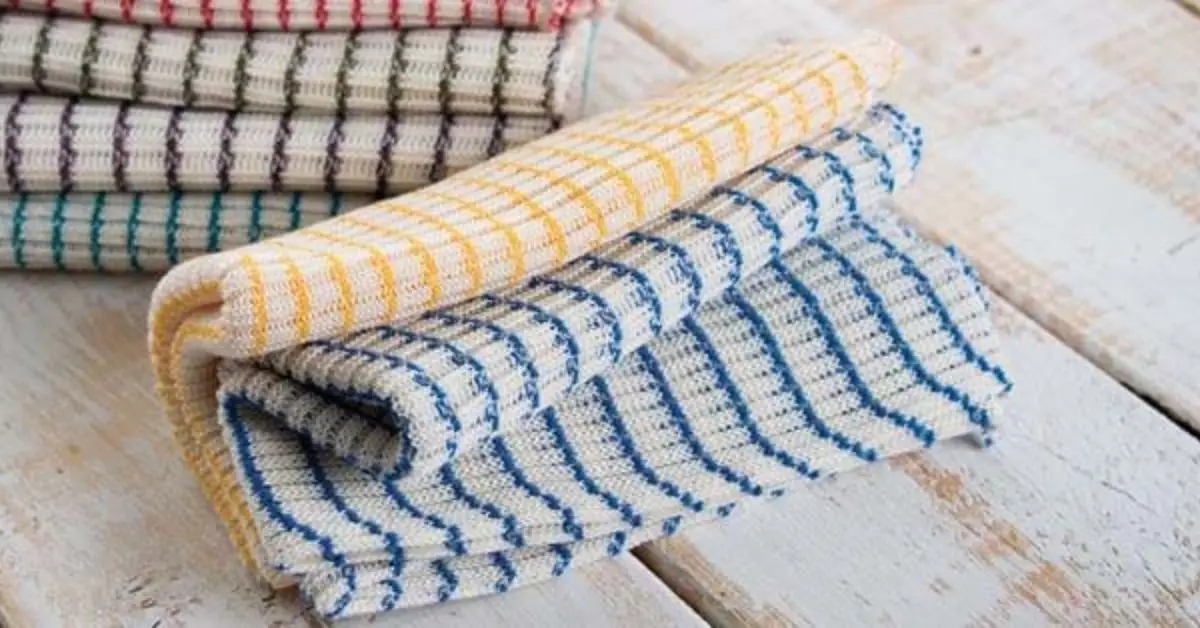
When I first started paying attention to kitchen cleaning, I realized that even the basic tools—dish rags and paper towels—aren’t as simple as they seem. Knowing the differences can actually change how effective your cleaning routine is.
What Is a Dish Rag/Cloth?
Dish rags come in a few varieties, and each behaves differently:
- Traditional cotton rags – Soft, reusable, and absorbent, but they can hold onto bacteria if not washed often.
- Microfiber cloths – These tiny fibers trap grease and dust in ways cotton can’t.
- Swedish dishcloths – Eco-friendly, durable, and highly absorbent; I personally love using these for everyday spills.
Usage patterns I’ve noticed:
- I tend to rotate cloths depending on the mess—one for crumbs, one for sticky spills.
- Damp cloths do a better job on grease, while dry ones are good for dust.
Knowing these differences is crucial because the material directly affects how clean your counters actually get.
What Are Paper Towels?
Paper towels are designed to absorb liquids fast, thanks to capillary action. They’re convenient because you can use them once and toss them, which is great for quick cleanups.
- Pros: No washing required, disposable, good for raw spills.
- Cons: Can leave lint, less effective on grease, and environmentally costly.
Understanding these tools helps you decide not just which to use, but when and how to use them.
Cleaning Performance — Spotless Counters vs Surface Wiping
Now, let’s get to the part most of us care about: which tool actually leaves the counter spotless.
Absorbency and Dirt Pickup
From my experience, reusable cloths often outperform paper towels in absorbency and dirt pickup. Here’s what I focus on:
- Cloths can hold more liquid, meaning fewer wipes for a messy spill.
- Microfiber and Swedish dishcloths trap fine dust and grease better than paper towels.
- Paper towels are better for light spills, but they often smear sticky messes instead of picking them up.
According to Mudd House Mercantile, Swedish dishcloths can absorb up to 15 times their weight in liquid, which I’ve definitely noticed in my kitchen routine.
Microfiber and Swedish Cloths vs Traditional Cotton Rags
I’ve found that microfiber and Swedish cloths consistently grab grease and crumbs that cotton sometimes misses. A few key points I keep in mind:
- Microfiber can trap particles at a microscopic level, which is why I use it for counter edges and behind appliances.
- Cotton is still good for everyday wiping but may require more passes to get truly clean.
Paper Towels for Quick Spills
Paper towels still have a place in my kitchen:
- I reach for them when I spill juice or coffee and need an immediate cleanup.
- They’re convenient for disinfecting a small area without worrying about washing afterward. And while you’re thinking about cleaning efficiency, it’s worth checking out these 5 stainless steel cleaning mistakes that leave streaks and scratches—I learned a few tricks that prevent streaks on my counters and appliances.
- I always keep a few on hand, even though I mostly rely on cloths.
By knowing the strengths and weaknesses of each, you can make smarter choices in the moment—and that’s what really makes your counters spotless without wasting effort.
Hygiene and Safety — Bacteria, Germs, and Cross‑Contamination
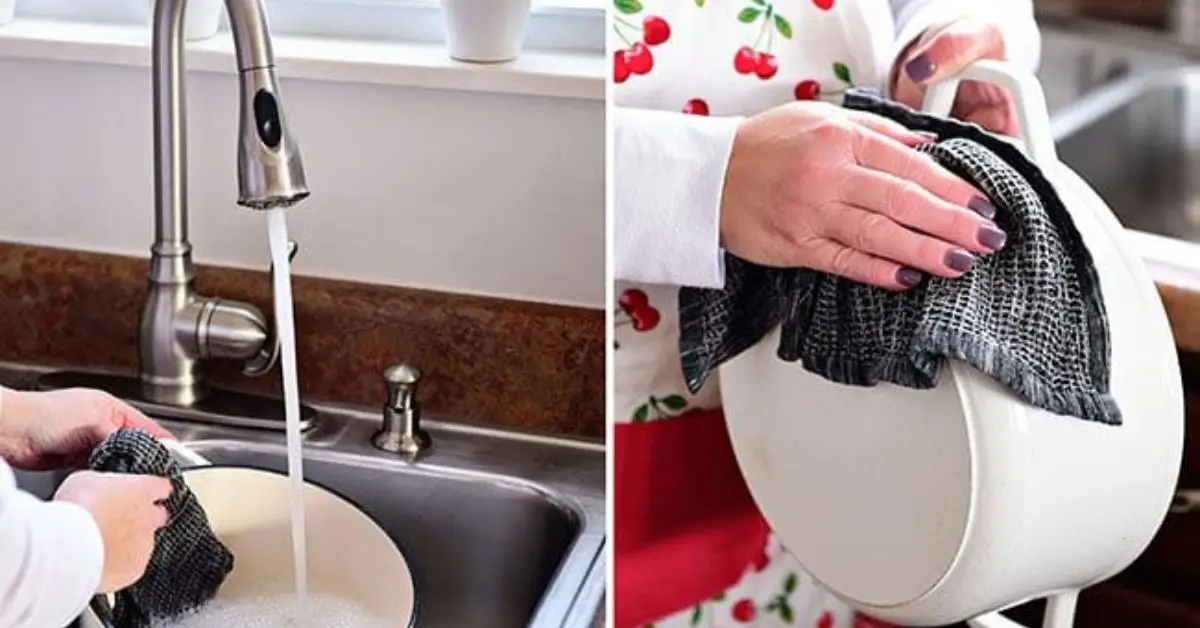
Cleaning isn’t just about looking spotless; it’s also about keeping your kitchen safe. I’ve learned the hard way that some tools can harbor more germs than you’d expect.
Are Dish Rags Germ Magnets?
Reusable cloths can hold bacteria if you don’t wash them regularly. From my experience:
- Damp rags left on the counter develop smells quickly.
- Studies show high bacteria levels in cloths used repeatedly without proper laundering.
- Cleaning communities on Reddit often warn about swapping cloths every couple of days to avoid contamination.
The takeaway? Dish rags are great for absorbing spills, but they only stay safe if you wash them frequently and let them dry completely.
Paper Towels and One‑Use Hygiene
I tend to grab a paper towel when I need quick sanitation:
- Using a disposable towel reduces the risk of spreading germs from one surface to another.
- Ideal for raw meat spills or sticky messes where you want no chance of lingering bacteria. If you’re tackling hygiene seriously, I also recommend reading about 7 spring cleaning mistakes that are secretly attracting pests to your home and how to fix them—it helped me understand how small oversights can lead to big health issues.
- According to Tom’s Guide, single-use paper towels are less likely to contribute to cross-contamination compared to reusable cloths.
By understanding the hygiene aspect, you can choose the right tool depending on whether safety or sustainability is the priority.
Environmental and Cost Impact — Trash, Waste, and Wallet
I also care about the long-term impact of my cleaning habits—both on my wallet and the environment.
Paper Towels — Waste and Hidden Costs
- The average American household uses hundreds of rolls a year.
- Most paper towels end up in landfills, adding to environmental strain.
- Even if convenient, the cost adds up quickly over time.
Reusable Cloths — Savings Over Time
- Investing in Swedish dishcloths or microfiber cloths pays off: fewer replacements, less waste, and long-term savings.
- Zero Waste communities highlight that a single cloth can replace dozens of rolls of paper towels over its lifespan.
- I personally rotate a few cloths weekly, which drastically reduces trash and expenses.
Check out Zero Waste Store for an easy breakdown of cost and environmental impact of reusable cloths versus paper towels.
Washing and Microplastic Considerations
- Microfiber cloths can shed tiny plastics if washed improperly.
- I make sure to use a gentle cycle and avoid fabric softeners to extend their life and reduce environmental impact.
- This is a detail many cleaning guides overlook, but it matters if you’re going for sustainability.
Balancing hygiene, cost, and environmental impact helps you make smarter decisions in your kitchen without sacrificing cleanliness.
Practical How‑To Guide — Best Techniques for Spotless Counters
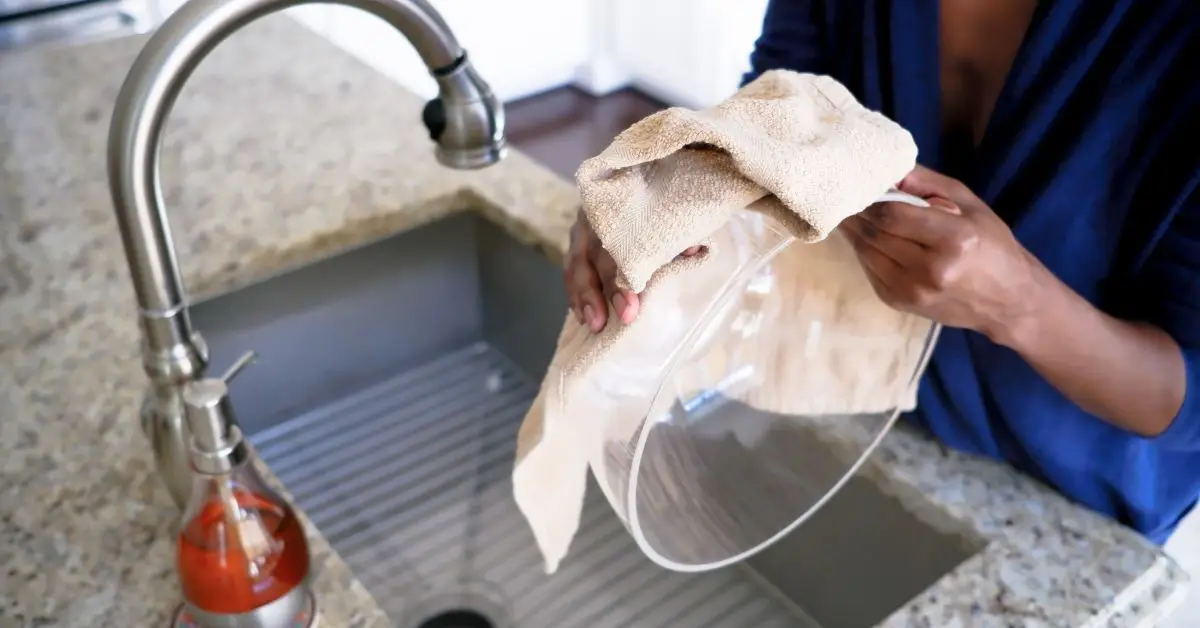
This is where the rubber meets the road. I want you to walk away with tips you can actually use in your kitchen today.
Getting the Most Out of Dish Rags and Cloths
- Drying: Always hang your cloths to dry completely between uses to prevent bacteria growth.
- Wringing: Squeeze out excess water before wiping to avoid streaks.
- Rotation: I rotate cloths every couple of days or after heavy spills to keep them fresh. When I optimized how I use dish rags and cloths, I also found this guide on 12 kitchen cleaning mistakes microbiologists beg you to stop right now really eye-opening—some simple tweaks made a huge difference in how clean my counters feel.
Paper Towel Best Practices
- Pair paper towels with a disinfectant for raw spills or sticky messes.
- One-use towels are perfect for quick, germ-sensitive cleanups, and I always keep a small stack ready.
Hybrid Strategies
- Use cloths for everyday crumbs, dust, and grease.
- Reach for paper towels when speed, hygiene, or mess size matters.
- By combining both, I can keep my counters spotless without wasting supplies.
Verdict – Which Leaves Counters Truly “Spotless”?
After testing, observing, and talking to experts, here’s what I’ve learned:
- If your priority is sustainability and long-term cost savings: Go with reusable cloths. Microfiber and Swedish dishcloths perform better on grease and dust.
- If your priority is speed and hygiene for messy spills: Paper towels are your friend. They minimize bacteria transfer and are convenient for raw messes.
- Best approach: A combination of both. Rotate cloths daily for general cleaning, and grab a paper towel for high-risk spills.
This nuanced approach gives you clean, safe, and eco-conscious counters without compromising efficiency.
Bonus Tips — Maintenance and Advanced Cleaning Tools
To take your cleaning routine to the next level:
- Color-code cloths by task: Keep separate cloths for counters, dishes, and appliances to prevent cross-contamination.
- Disinfecting: Use bleach occasionally or wash cloths in hot water for deep cleaning.
- Complementary tools: Microfiber sprays, steam mops, and scrubbing brushes can make cloths even more effective.
Conclusion
At the end of the day, there isn’t a one-size-fits-all answer. Your choice between dish rags and paper towels depends on your priorities: hygiene, cost, sustainability, or convenience. Personally, I’ve found that a smart mix of both keeps my counters spotless and my kitchen running smoothly.
I’d love to hear your thoughts—do you lean more toward reusable cloths or paper towels? Share your tips and experiences in the comments below. And if you want more practical, hands-on advice for a cleaner, smarter home, check out Build Like New for guides, hacks, and real-life solutions.
Disclaimer: The information in this article is for general cleaning guidance and educational purposes. Always follow manufacturer instructions for cleaning products and practice proper hygiene. Results may vary depending on surface type, cleaning tools, and personal techniques.