5 Smart Tricks to Use Plastic Window Wrap and Slash Your Heating Costs
Winter always has a way of sneaking up on us, doesn’t it? One day you’re enjoying crisp autumn air, and the next, your heating bills are climbing faster than you expected. I’ve spent years experimenting with ways to keep my home warm without emptying my wallet, and one solution keeps coming up again and again: plastic window wrap. You might have seen it in DIY guides or read a headline claiming it can slash your heating costs—but does it really work?
In this article, I’ll break down exactly how plastic window wrap can make a difference, what actually works versus what’s hype, and how you can use it to cut your winter energy bills without turning your home into a greenhouse. By the end, you’ll know not just if it works, but how to make it work for you.
Why Winter Heating Costs Spike — The Big Picture
If you’ve ever noticed your heating bills skyrocketing as soon as the first frost hits, you’re not imagining things. A large part of that energy loss actually comes through your windows. Windows can account for a surprisingly big chunk of winter heat loss because most of them are the weakest insulated part of your home. That means even if your walls and roof are snug, chilly air can sneak in, making your heater work overtime.
Here’s a quick breakdown to help you understand where you stand:
- Single-pane windows: Almost no insulation, letting heat escape easily.
- Double-pane windows: Better, but still allow noticeable heat loss, especially around edges.
- Triple-pane or upgraded windows: Significantly better R-value, but installation can be costly.
- Adding insulation layers (like plastic window wrap): Boosts your window’s resistance to heat transfer without replacing the glass.
When you see your heater running more than usual, it’s likely fighting invisible leaks through your windows. That’s where smart, inexpensive solutions like plastic window wrap come in—they don’t just cover the glass; they trap air and block drafts, helping you keep your home warmer without breaking the bank.
How Plastic Window Wrap Works (The Science Explained)
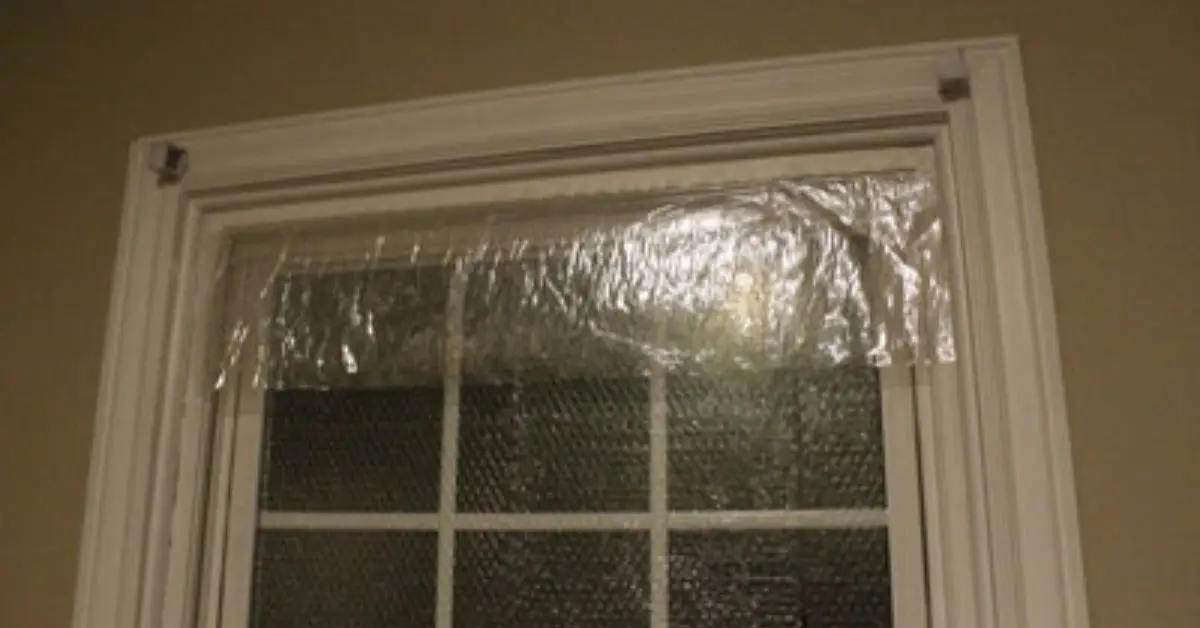
I know it sounds simple: a sheet of plastic over your window. But here’s the thing—it actually does more than just sit there. Understanding the science behind it can make a big difference in how effective it is for your home.
Air Barrier and Insulation — The Key Mechanism
Think of plastic window wrap as a mini air cushion. It traps a thin layer of still air between the glass and the film. That layer acts as a barrier, slowing down the transfer of heat through your windows. According to the Department of Energy’s guide on energy-efficient window coverings, this simple step can significantly reduce conduction and convection losses. So when you turn on your heater, more of that warmth stays inside, instead of disappearing through the glass.
How It Compares to Other Window Coverage Options
Now, you might be wondering: “Why not just use curtains or storm windows?” Here’s the difference:
- Regular curtains: Block drafts slightly but don’t trap air directly on the window surface.
- Thermal curtains: Better at slowing heat loss but less effective alone for drafty windows.
- Storm windows: Excellent, but expensive and sometimes impractical for older homes.
- Plastic window wrap: Cheap, quick, and when applied correctly, adds a measurable layer of insulation that many DIYers miss.
In fact, combining plastic wrap with other methods—like a thermal curtain—can amplify your results. Plastic over windows improves R-value and insulation performance, showing that while plastic wrap isn’t a miracle insulator, it’s one of the most cost-effective ways to improve your windows’ performance without major renovations.
Proven Ways Plastic Window Wrap Can Reduce Your Heating Bills
I’ve tried and tested several methods, and here’s what really makes a difference when you want to save energy this winter:
Way 1 — Seal Drafts Around Window Frames Before Wrapping
Before you put up any plastic, take a few minutes to check for drafts around the frame. Even the best plastic wrap can’t stop cold air sneaking in through gaps. Sealing these drafts with caulk or weather stripping first can multiply your savings. ENERGY STAR even recommends combining air sealing with insulation for the best results.
Way 2 — Use Quality Shrink Film for a Tighter Seal
Not all plastic wraps are created equal. Loose film doesn’t trap air effectively. Using shrink film and a hair dryer to tighten it turns the wrap into a micro-insulating layer. You’ll notice the difference immediately when you run your hand near the window—less cold air coming through.
Way 3 — Pair with Weather Stripping for Maximum Impact
Even after sealing drafts and adding plastic, tiny gaps can still leak air. Adding weather stripping around the frame ensures that no cold drafts bypass your new insulation layer. It’s a small step with a big impact on your overall comfort.
Way 4 — Add Cheap Thermal Curtains Over Wrapped Windows
Plastic wrap works best when paired with other insulation methods. Throwing a thermal curtain over the wrapped window adds another layer that blocks heat from escaping at night and improves overall comfort. Reddit users consistently report dramatic results when combining these methods.
Way 5 — Target Draftiest Areas First (Prioritize High-Loss Windows)
Not every window needs the same attention. Start with the ones that lose the most heat—usually large, single-pane windows or those facing the wind. This 80/20 approach saves time, effort, and money while maximizing your heating bill reduction.
Realistic Savings You Can Expect (Not Just Marketing Claims)
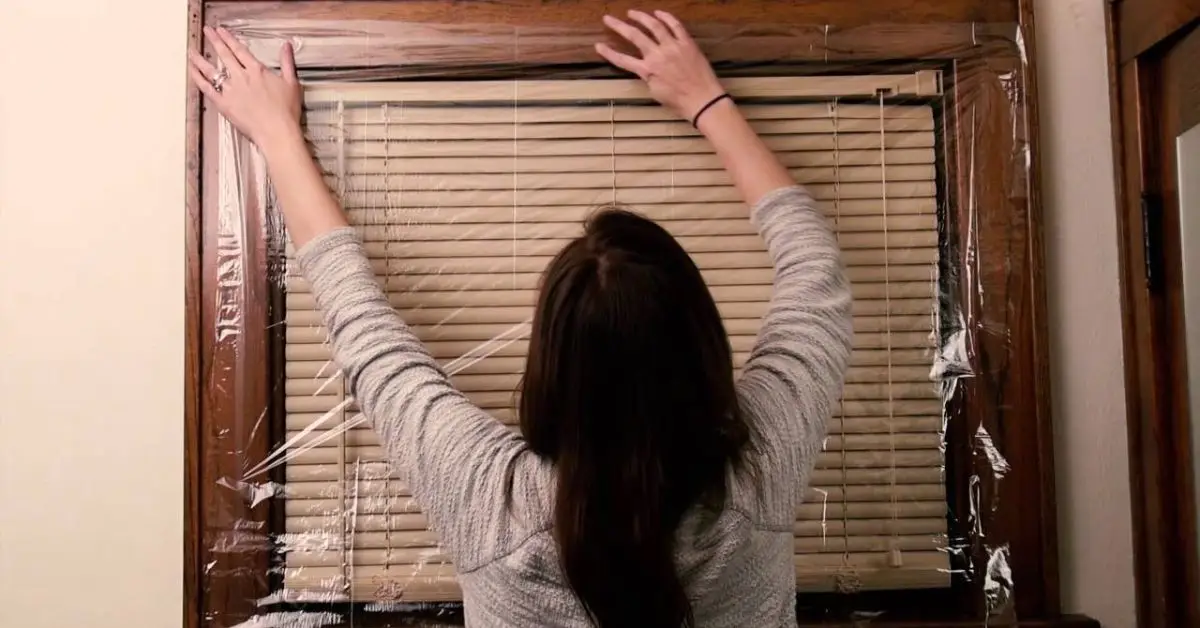
I don’t want to overpromise. Plastic window wrap isn’t a miracle solution, but it does work when done properly. Energy experts suggest that, under typical conditions, you can expect 5–10% reduction in heating bills if installed correctly.
Here’s what to keep in mind:
- Exaggerated claims of 30–50% savings are unrealistic without other upgrades.
- R-value improvement is modest; plastic wrap slows heat loss but doesn’t replace real insulation.
- Even small savings add up over a long winter, and the best part is it costs very little to try.
Local news outlets like WIFR report that homes using plastic wrap combined with draft sealing notice measurable reductions in energy usage and improved comfort, proving that this simple DIY method can actually make a difference.
When Plastic Window Wrap Will Not Make a Big Difference
I want to be honest with you—plastic window wrap isn’t a one-size-fits-all solution. There are situations where it may not give you the results you’re hoping for:
- New or highly airtight windows: If your windows are already energy-efficient, adding plastic wrap provides minimal extra insulation.
- Poor installation or skipped draft sealing: Even the best plastic wrap won’t help if cold air is sneaking around the edges.
- Long-term upgrades are more effective: Replacing old windows with storm windows or fully insulated replacements often outperforms any temporary wrap.
Recognizing these limitations upfront saves you time, money, and frustration.
Step-by-Step Installation Best Practices
If you’re ready to install plastic wrap properly, here’s my tried-and-true method for maximum results:
Tools You’ll Need
- Heavy-duty shrink film
- Hair dryer (for shrinking the film)
- Tape or kit adhesive
- Scissors or utility knife
- Optional: weather stripping or caulk for extra draft sealing
Prep the Frame and Glass
- Clean the window thoroughly to remove dust and grease. You can follow this easy method to clean your windows without streaks before starting.
- Inspect for drafts and seal them—this small step makes the biggest difference in warmth.
If you’re dealing with older windows that have paint buildup or stuck frames, you might need to loosen them carefully before sealing drafts. Check out these tips to unstick painted-over windows without damage to make your prep easier.
Apply Film & Shrink Tight
- Cut the film slightly larger than the window frame.
- Tape the edges securely.
- Use the hair dryer to shrink the film until it is tight and smooth, forming that crucial insulating air layer.
Inspection & Maintenance Through Winter
- Check periodically for wrinkles or tears, especially after temperature swings.
- Keep the window area dry to prevent condensation.
Doing it right makes the difference between wasted effort and real comfort.
Common Mistakes and How to Avoid Them
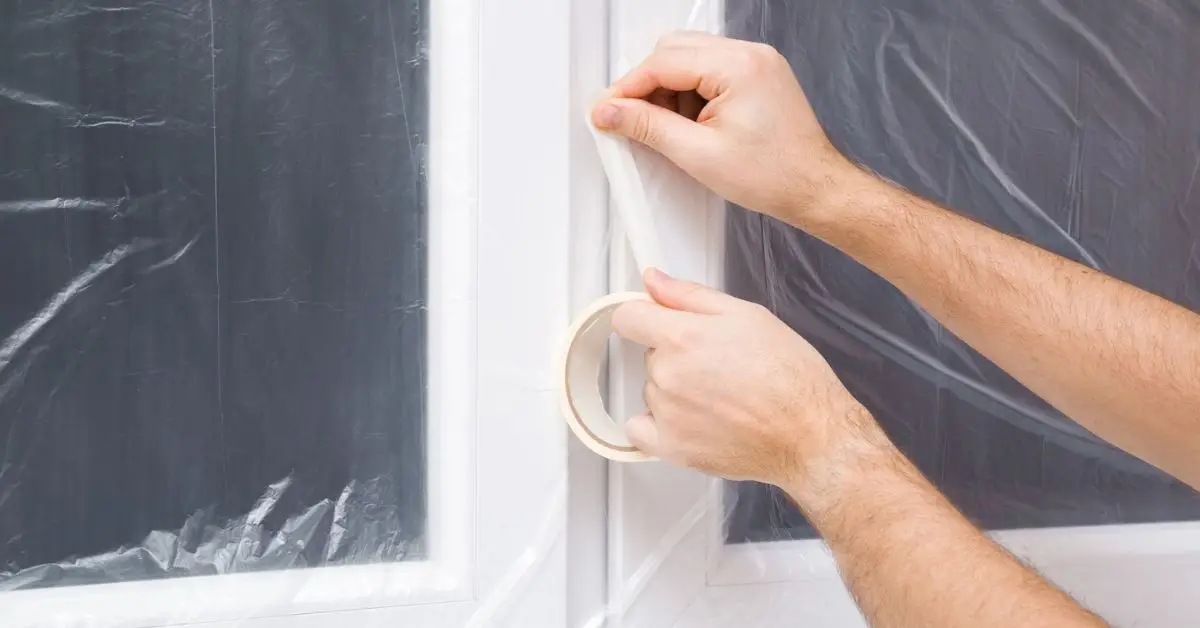
I’ve seen a lot of people get frustrated with this method, and most of the time it comes down to a few key mistakes:
- Wrinkles or gaps that break the insulating air pocket.
- Skipping draft sealing, which allows cold air to bypass the wrap.
- Using too thin or cheap film, which tears easily and doesn’t shrink well.
Avoiding these ensures your plastic wrap actually works as intended.
Long-Term Upgrades vs Temporary Hacks: What to Consider
Plastic window wrap is fantastic for short-term savings, but sometimes you need a bigger plan:
- Temporary solution: Fast, cheap, and effective for the coldest months.
- Long-term upgrades: Storm windows, professional insulation, or full replacement offer lasting energy savings.
- Cost vs ROI: Temporary wraps cost a few dollars; replacements cost hundreds or thousands but last for decades.
Think of plastic wrap as a bridge—providing immediate comfort while you plan smarter, permanent improvements.
Holistic Winter Heating Cost Strategy (Bonus)
If you really want to reduce heating bills, think beyond just windows:
- Draft-proof doors with sweeps or weather stripping. While you’re insulating your windows, it’s a good idea to think about security as well—especially for basement or easily accessible windows. Here are clever ways to make your basement windows burglar-proof while maintaining insulation and comfort.
- Insulate your attic to prevent heat loss.
- Optimize thermostats—programmed or smart thermostats cut waste.
- Maintain your HVAC system; clean filters and service regularly.
Pairing these steps with your window wrap can produce savings that really show up on your bills.
Safety & Aesthetic Considerations Before You Start
A few practical tips can save you headaches:
- Monitor for condensation behind the plastic to avoid mold.
- Secure the film properly to prevent sagging or tearing.
- Remove it carefully at the end of winter to avoid scratches or sticky residue.
These small precautions help you enjoy warmth without compromising your home’s appearance.
I’d love to hear from you! Have you tried plastic window wrap in your home, or is this your first time experimenting? Drop your experience or biggest winter heating challenge in the comments below—I’ll respond with practical tips.
Also, for more expert home improvement advice, DIY hacks, and real-world energy-saving strategies, visit my website Build Like New and see how you can make your home warmer, smarter, and more energy-efficient this winter.
Disclaimer: The information provided in this article is for general educational and informational purposes only. Results may vary depending on your home, window type, and installation quality. Always follow manufacturer instructions and safety guidelines when using plastic window wrap or making home improvements.