Leaf Blower Etiquette Tips That Every Responsible Homeowner Should Know
I’ve lived in my neighborhood for years, and if there’s one thing I’ve learned, it’s that leaf blowers can make or break your reputation as a considerate neighbor. You might think a few minutes of yard work won’t matter, but the truth is, that roar of a gas-powered blower at 7 a.m. can set off an avalanche of complaints faster than you can rake a single leaf. I’ve seen friendly communities turn tense over something as simple as leaves scattered across the wrong driveway.
In this article, I want to share the etiquette I’ve picked up over time—the rules, the timing, the little adjustments that make a huge difference. I’ll cover what works, what annoys your neighbors, and how you can enjoy a clean yard without starting a neighborhood feud. By the end, you’ll know exactly how to be the neighbor everyone actually likes, even when you’re blowing leaves.
Why Leaf Blower Etiquette Matters
I’ve seen firsthand how something as simple as clearing leaves can ripple into bigger problems if you don’t think about your neighbors. When I first moved into my home, I assumed a leaf blower was just a tool—turn it on, clean the yard, done. But I quickly realized it’s not just noise; it’s a matter of respect, health, and even local rules. Let me break down why paying attention to etiquette is so important.
Noise Impact on Neighbors
The sound of a leaf blower isn’t just background noise—it’s a jolt to anyone nearby. Gas-powered blowers can hit up to 115 dB right next to you, and even at 50 feet away, the noise can hover around 100 dB. That’s enough to disrupt sleep, increase stress, and even make it hard for people to focus on work or reading.
- The pitch of a blower matters as much as the volume. That high-pitched whine can feel intrusive even if it’s technically legal.
- I’ve learned that using the blower at lower speeds or switching to a quieter electric model can make a world of difference for your neighbors—and for your own stress levels.
Legal and Community Consequences

Here’s something I wish I knew sooner: it’s not just about being polite. Many cities have actual ordinances about leaf blower usage, covering hours, noise limits, and even bans. For example, in Culver City, homeowners have to stick to specific times and decibel levels. Ignoring these rules isn’t just rude—it can land you in trouble with fines or complaints from your HOA.
- Check your city or HOA rules before you start any blower work.
- Even if you think your neighbors are “easygoing,” a consistent violation can turn small annoyances into major disputes.
To prevent these kinds of misunderstandings, it also helps to learn how property boundaries and shared exterior spaces affect neighbor relationships, as explained in the Ultimate Guide to Fence Etiquette.
Environmental & Health Concerns
Beyond noise and social friction, leaf blowers have real environmental and health impacts. Gas-powered models release pollutants and stir up dust, which can affect air quality in your yard and your neighbors’. I always make sure to wear hearing protection, because long sessions on a gas blower can damage your hearing over time.
- Dust can trigger allergies and respiratory issues for neighbors.
- Electric blowers cut down on both pollution and noise, making them a smarter choice for everyone.
For more detailed insights on the environmental and health effects of blower noise, you can check this report on noise and health from Quiet Clean PDX.
Key Principles of Leaf Blower Etiquette
When I talk about etiquette, I’m not just thinking about “don’t annoy your neighbors.” It’s about using the tool smartly so your yard gets cleaned efficiently without creating stress or conflict. Here’s what I’ve learned works best.
Choose the Right Equipment
Choosing the right blower is the first step in being a considerate neighbor. Over the years, I’ve switched to quieter options and noticed a huge difference in how neighbors react.
- Prefer electric or battery-powered blowers. They’re significantly quieter and produce less pollution.
- Keep your equipment well-maintained. Check the muffler, air filter, and throttle regularly to avoid unnecessary noise.
- Use low throttle speeds and noise-reducing attachments whenever possible. Even small adjustments make a noticeable difference in sound levels.
Timing Is Everything
Even the quietest blower can irritate if used at the wrong time. I always ask myself, “Would I want this sound at 7 a.m.?”
- Etiquette experts suggest not before 8 a.m. on weekdays and 9 a.m. on weekends.
- Be aware that some neighborhoods or cities may have stricter rules.
- Consider your neighbors’ routines—early workers, kids napping, or anyone sensitive to noise. Planning your schedule shows thoughtfulness.
Operating with Courtesy
How you handle the blower matters just as much as the type or timing. I always follow a few simple practices to avoid conflict.
- Keep at least 50 feet away from people, pets, and neighbors’ property while operating.
- Never point the nozzle toward anyone or anything that could be harmed.
- Work systematically: start at edges and blow away from other properties. This keeps leaves contained and neighbors happy.
Minimize Dust & Debris
Dust and debris can be more than annoying—they can affect allergies and safety.
- Use full-length extension tubes so airflow stays close to the ground, reducing dust.
- If it’s particularly dusty, lightly mist the area or use a blower with a mist attachment, as recommended in some city regulations.
- Pick up larger debris manually first—sticks, big leaves—then finish with the blower for fine cleanup.
Know & Abide by Local Leaf Blower Regulations
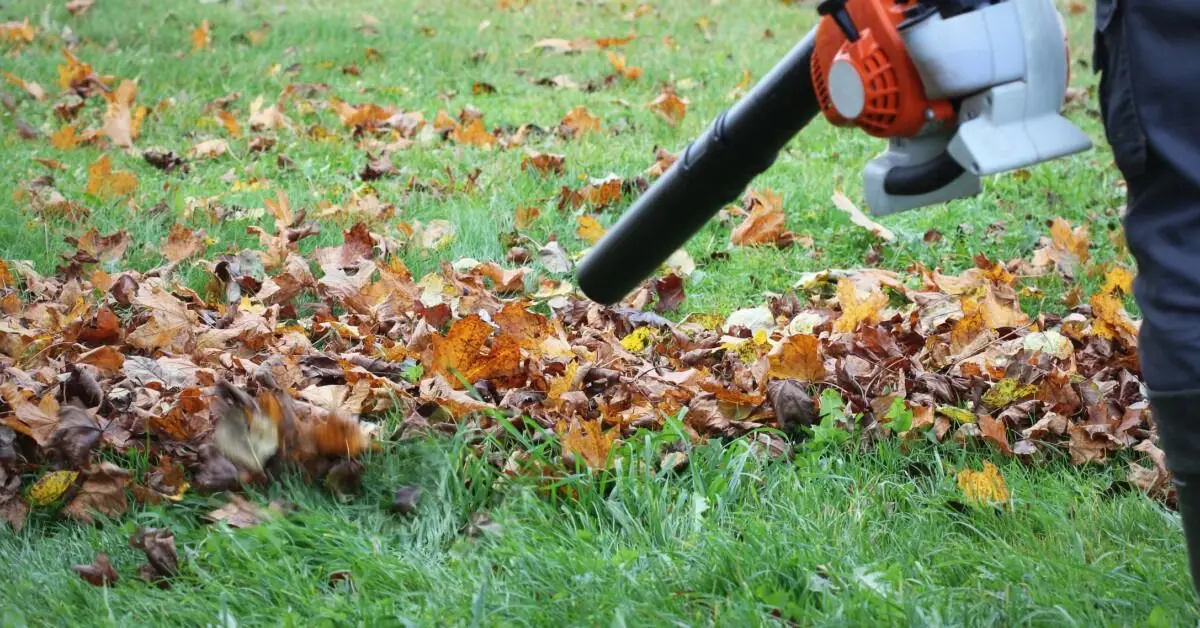
Here’s a tip I wish I’d learned earlier: etiquette alone isn’t enough. Understanding your local rules protects you and your neighbors.
Research Local Ordinances
- Noise ordinances: Check your city’s rules on decibel limits, permitted days, and hours. For example, Greenburgh, NY restricts leaf blowers to under 75 dBA.
- Zoning and city codes: Some places, like Capitola, limit usage hours and decibel levels in residential zones.
- Enforcement and penalties: Violations can lead to fines, citations, or even city testing using sound meters.
Examples from Specific Cities
- Seattle: Best practices stress courteous use. Avoid using blowers near people or pets and prefer quieter models.
- Culver City: New rules (since Nov 2022) set a maximum of 65 dB, specify operating hours, and require proper mufflers.
For more detailed guidance on city ordinances and residential noise limits, check out this Greenburgh, NY municipal guide. It’s a great reference if you want to see how real regulations are structured and how they protect both you and your neighbors.
Alternatives & Smarter Choices to Reduce Conflict
Over the years, I’ve realized that a leaf blower isn’t always the best or only tool for yard work. Sometimes, stepping back and using a quieter approach not only keeps the peace but can actually be more effective for certain jobs.
Use a Rake or Broom
- Traditional tools like rakes and brooms are much quieter and less intrusive.
- For small areas or finishing touches, I often reach for a broom instead of firing up the blower. It’s slower, but the neighbors notice the difference—and you’ll avoid complaints.
- Etiquette experts, including sources like The Spruce’s guide on early leaf blower use, emphasize that raking is a completely valid alternative, especially in tight-knit neighborhoods.
Consider Leaf Blower Alternatives / Technology
- Battery-powered or electric blowers: These are low-noise, zero emissions, and easier on the environment.
- Hiring a landscaper thoughtfully: Choose one who uses quieter equipment or schedules work during neighbor-friendly windows.
- Mulching or composting: Instead of blowing all leaves away, turn them into mulch or compost—it helps your garden and reduces unnecessary noise.
Communicate & Build Agreements with Your Neighbors

I’ve found that proactive communication prevents most conflicts. It’s better to plan together than to deal with frustration later. Good communication is often the key to avoiding outdoor disagreements, just like the strategies shared in this guide on preventing fence disputes.
Propose a Neighborhood “Blow Time Window”
- Start a discussion via community platforms like Nextdoor or during HOA meetings to agree on ideal leaf-blower hours.
- Even a quick message in a neighborhood Facebook group or WhatsApp chat can prevent misunderstandings and show you’re being considerate.
Explain Your Approach
- Let neighbors know you’re using a low-noise blower, following local laws, and limiting usage.
- A small heads-up—like “I’ll be cleaning the yard Saturday morning around 9”—can build more goodwill than you’d expect.
Handle Complaints Professionally
- Listen without getting defensive. If someone raises concerns, take them seriously.
- Adjust when needed: switch to a rake, reschedule, or shorten blower sessions.
- Keep your commitments—days, times, duration—so neighbors know what to expect.
Quick Checklist — Leaf Blower Etiquette Before You Start
Whenever I’m about to fire up my blower, I run through a simple mental checklist. It keeps things smooth and helps avoid the little mistakes that usually trigger neighbor complaints. You can use the same list every time you head out to clean your yard.
- Choose the quietest blower you can — electric or battery models always win.
- Check your local noise ordinance or HOA rules so you’re not breaking any timing or decibel limits.
- Stick to neighbor-friendly hours (after 8 a.m. on weekdays and a little later on weekends).
- Keep the blower on low throttle whenever possible and make sure the muffler and attachments are properly in place.
- Never blow leaves or dust into a neighbor’s yard, driveway, or across the street.
- Do a final sweep and clean up any clippings that might have drifted.
- If you’re planning a longer session, give your neighbors a quick heads-up so they’re not caught off guard.
Why Good Leaf Blower Etiquette Benefits You Too
Most people think etiquette is only for keeping others happy. But here’s the truth: following simple blower etiquette actually makes your life easier.
- You dramatically reduce the risk of noise complaints or legal issues.
- You build real goodwill with neighbors, which makes daily living smoother and more relaxed.
- You’ll feel more motivated to work because you’re operating smarter, not louder.
- Using quieter or cleaner equipment is better for the environment and for your own long-term health, especially if you’re out in the yard often.
If you appreciate how simple etiquette can improve everyday experiences, you might also like reading about respectful behavior in other homeowner situations, such as the Open House Etiquette Rules Every Homebuyer Should Know.
Good etiquette isn’t just courtesy — it’s a practical strategy for living peacefully and protecting your own comfort.
Conclusion
Leaf blowers aren’t the problem — how we use them is. When you choose quieter tools, follow local rules, communicate openly, and stay mindful of your timing, you create a neighborhood where everyone can breathe easier (literally and figuratively). And honestly, it feels good to know you’re doing your part to keep things calm and respectful.
If you’ve ever dealt with a loud blower in your neighborhood — or if you’ve had neighbors complain about yours — share your experience in the comments. I’d love to hear how you handled it.
And if you want more practical home-care guides, outdoor tips, and smart homeowner strategies, feel free to explore more resources on Build Like New.
Disclaimer: This article is for general informational purposes only and should not be taken as legal advice. Local laws, HOA rules, and regulations may vary. Always check your city or community guidelines before using a leaf blower or making changes to your yard-care routine.