7 Easy Wins for Decluttering: Ditch These Duplicates First
I don’t know about you, but I’ve walked into my closet or kitchen and thought, “Do I really need three of these?” Those little duplicates—shirts I never wear, mugs I forgot I owned, spare gadgets collecting dust—might seem harmless. But over time, they quietly take over your space, stress you out, and even make daily routines feel heavier than they should.
I’ve spent years helping people declutter, and one thing is clear: most of us underestimate how many duplicates sneak into our homes. Real Simple found that common items like towels, utensils, and small appliances often pile up without us realizing it. And it’s not just about physical clutter—these extra items weigh on your mind, making it harder to focus and enjoy your home.
In this article, I’m going to show you seven types of duplicate items that are silently taking up space and exactly how to tackle them. By the end, you’ll see your home differently—and you might even feel a little lighter just imagining it.
How to Identify Which Duplicates to Keep or Toss
Before we jump into the seven categories of duplicate items, let’s talk about a framework that actually works. I’ve seen too many people start decluttering and immediately feel overwhelmed because they don’t know what to keep and what to toss. You don’t want to make that mistake.
Here’s how I approach it:
- The “3–6 Month Rule” – Ask yourself: Have I used this in the last three to six months? If the answer is no, it’s probably safe to let it go. I do this with everything from clothes to kitchen gadgets.
- Useful Backup vs. Unnecessary Duplicate – Some items are worth keeping extras for a good reason. For example, one spare phone charger or an extra set of bed sheets is fine. But having five almost identical mugs? Not so much.
- Room-by-Room Scanning Technique – I go through one room at a time. It’s less stressful, and it prevents you from seeing clutter everywhere at once. Take notes or photos so you can review later without making snap decisions.
Tip: I always take a quick photo of items before deciding to buy replacements. It prevents unnecessary repurchasing and keeps me honest about what I actually own.
1. Duplicate Clothing
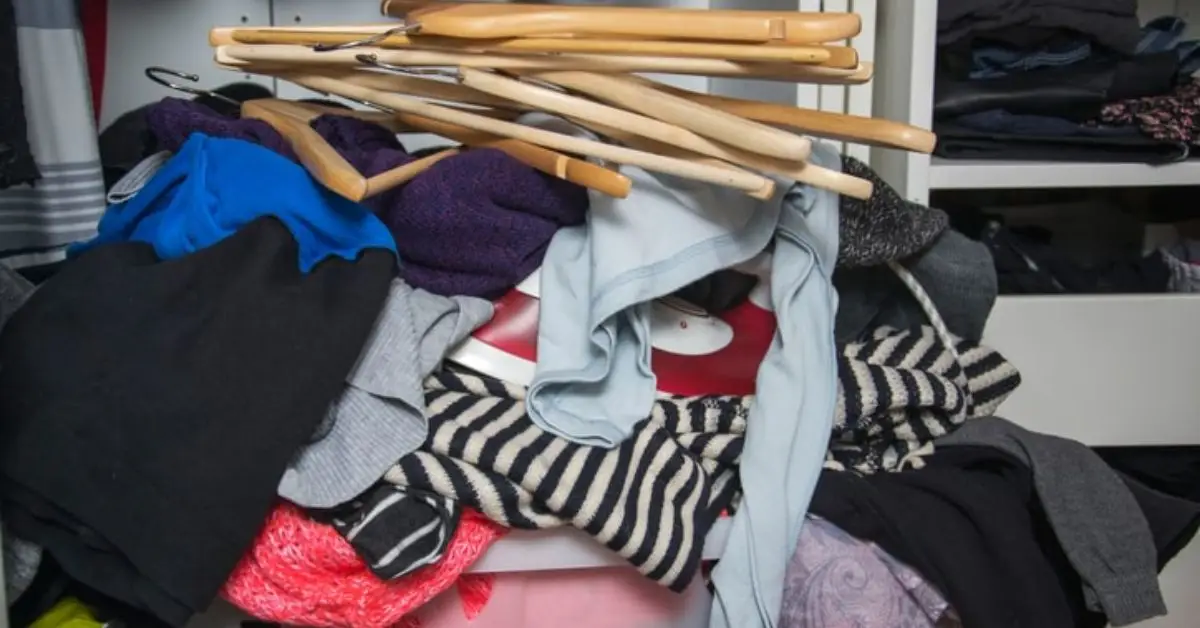
Let’s start with the most obvious clutter culprit: clothes. Honestly, our closets can get out of hand faster than we realize. I’ve opened drawers and found multiple versions of the same shirt, pajamas I haven’t touched in months, and towels I didn’t know I owned.
Here’s what I focus on:
- Identical shirts, jeans, and seasonal items
- Extra pajamas or lounge sets
- Towels and bedding sets
I usually keep only what fits in my main storage. If something doesn’t fit, it goes. You’ll be surprised how much space opens up when you stop holding onto multiples of the same thing.
Social proof: Reddit users often share stories about closets overflowing with repeats. It’s comforting to know I’m not alone.
2. Kitchen Appliances & Utensils
The kitchen is sneaky. Small appliances that seemed essential when you bought them often end up collecting dust, taking up precious counter and cabinet space. I’ve found blenders, coffee makers, and duplicate measuring cups hiding in the back of cabinets for months.
Here’s how I handle kitchen duplicates:
- Small appliances that rarely get used
- Duplicate utensils, measuring cups, and storage containers
- Items without matching lids
Pro tip: Keep only what you actually use weekly. I learned this the hard way—checking out This Simple Balance helped me realize how many “essential” duplicates I didn’t need.
3. Bathroom & Personal Care Items
Bathrooms might seem small, but the clutter adds up fast. I used to stockpile shampoos, lotions, and cosmetic items thinking I’d need backups, only to discover they were still half-full months later.
Here’s what I look for:
- Extra shampoos, soaps, and lotions
- Duplicate razors, toothbrushes, and cosmetics
- Expired products
Tip: Toss expired items first. Not only do they take up space, but they’re also unhygienic. Many home organization blogs recommend removing duplicates to simplify routines, and trust me—it makes your morning routine feel lighter instantly.
4. Office Supplies & Tech Accessories
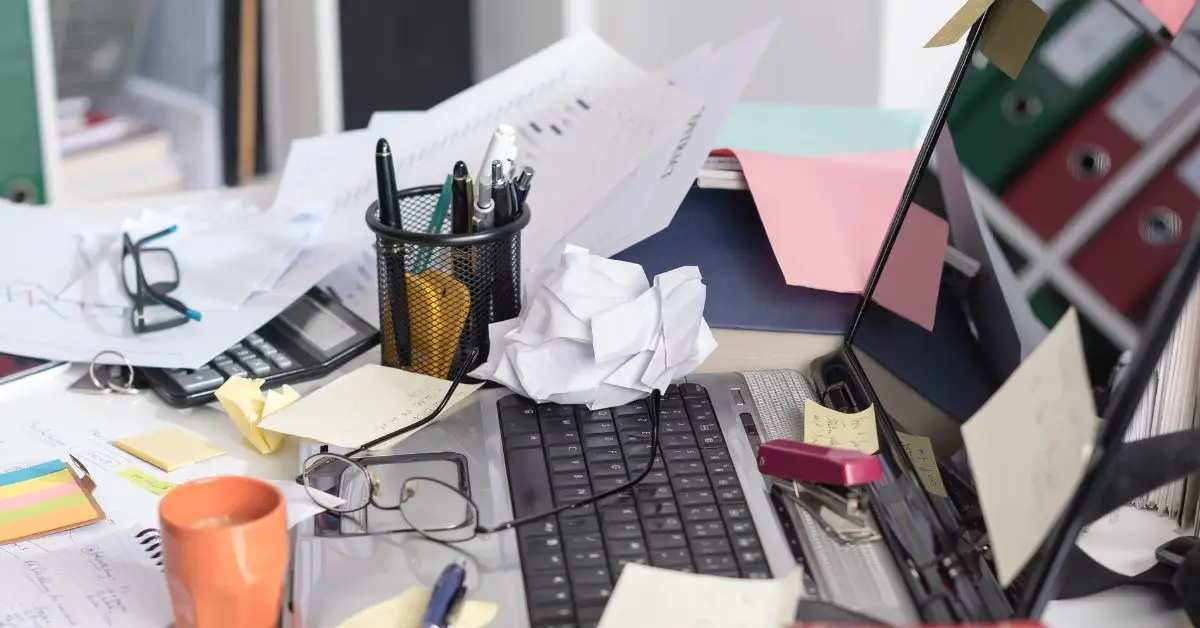
Drawers in my office used to be a black hole. Pens, notebooks, cables—you name it, I had multiples of everything. Decluttering this area saved me both time and frustration.
Here’s what I check:
- Pens, notebooks, and folders
- Chargers, cables, and headphones
- Random extra electronics
Tip: Keep one working item and maybe one backup if you really need it. I often check Reddit and minimalist communities for advice—they share clever hacks on managing tech clutter that I find super practical.
5. Hobby, Craft & Sports Equipment
I have a confession: craft supplies can quietly take over a room. I once had three partially used watercolor sets and extra sports gear I hadn’t touched in months. These items are tricky because you think you might need them.
Here’s my approach:
- Art supplies or craft kits
- Extra sports gear or workout accessories
Tip: Donate unused extras. If you haven’t used it in months, someone else might benefit from it. I’ve found it’s much easier to keep only what I genuinely enjoy using, and it makes the space feel lighter and more inviting.
6. Seasonal & Holiday Items
Seasonal and holiday items are some of the biggest space blockers in any home because you don’t see them every day. I’ve opened storage closets and found three boxes of decorations for the same holiday—most of them untouched for years.
This is where duplicates usually pile up:
- Holiday decorations used once a year
- Wrapping paper, gift bags, and ribbons
- Extra seasonal linens or tablecloths
Here’s the rule I personally follow and recommend: keep one main set and one backup. Anything beyond that is usually just taking up space without adding value.
Tip: If a seasonal item hasn’t been used in the last two seasons, it’s a strong sign you don’t need it. Donating those extras instantly frees up hidden storage.
7. Miscellaneous Household Items
This is the category most people ignore until clutter feels out of control. These items don’t seem like a big deal on their own, but together they create chaos.
Common duplicates in this group include:
- Extra storage bins and baskets
- Batteries, lightbulbs, and extension cords
- Random tools bought again because the original couldn’t be found
Tip: Sort these items by type, label them clearly, and limit how many you keep. When everything has a defined place, duplicates stop multiplying.
Home organization experts agree with this approach. According to Homes & Gardens, everything in your home should have a designated spot—otherwise clutter keeps coming back
Smart Strategy to Keep Duplicates in Check
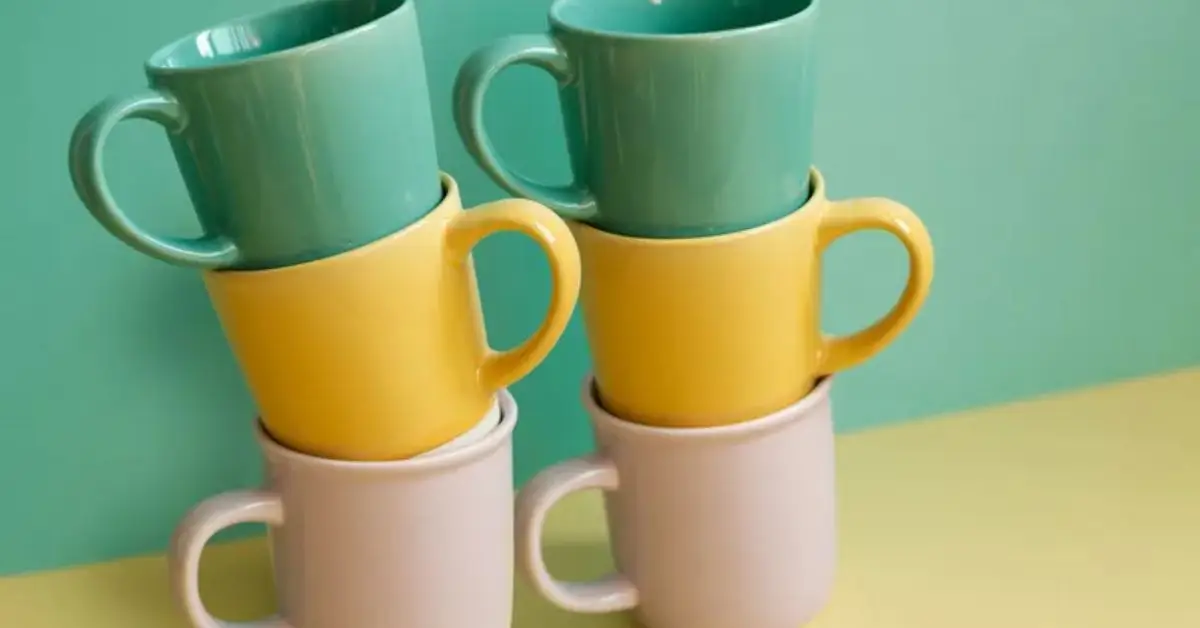
Decluttering once feels great. Staying clutter-free is the real challenge. I’ve learned that you don’t need strict rules—you need a system that’s easy to maintain.
This framework works well long term:
- Keep one main item and one backup only when it makes sense
- Donate, sell, or recycle extras right away
- Use storage only for items you actually need, not “just in case” duplicates
Quick tip: Set a 15–20 minute timer and focus on one category. When the timer ends, stop. Small, consistent sessions work better than marathon cleanups.
Quick Wins: Declutter in 20 Minutes a Day
If decluttering feels overwhelming, you’re not alone. Most people try to do too much at once. I always tell clients to make the task smaller, not harder.
Try these quick wins:
- Take photos of what you own before buying replacements
- Spend 20 minutes a day on one category
- Keep a donation box visible so items leave your home quickly
You don’t need a perfect system or a full weekend. You just need steady, simple actions.
Now I want to hear from you: which category do you think is taking up the most unnecessary space in your home right now?
Final Takeaways / Key Reminders
If there’s one thing I want you to remember, it’s this: clutter isn’t random. It usually comes from the same few patterns repeating again and again. Once you see those patterns, it becomes much easier to stay in control of your space.
Here’s what really matters:
- There are seven common duplicate categories that quietly take over most homes
- You don’t need to keep everything—just identify, evaluate, and act
- One main item and one sensible backup is usually more than enough
- Fewer duplicates make your home easier to manage, not harder
Decluttering isn’t about perfection. It’s about making your space work for you instead of against you. When you keep duplicates minimal, daily life feels lighter, faster, and more organized.
Now I’d love to hear from you.
Which duplicate category surprised you the most while reading this? Drop your answer in the comments—it helps others feel less alone in the process.
If you want more practical home organization and decluttering guides like this, you can explore more tips on Build Like New, where I share simple, realistic ways to make your home feel fresh and functional again.
Disclaimer: The information provided in this article is for general guidance only. Results may vary depending on individual circumstances and preferences. Always use caution when donating, selling, or discarding items, especially if they hold personal value or are in working condition.