9 Dishwasher Mistakes Most Homeowners Ignore — One Nearly Caused a Deadly House Fire
I didn’t think a dishwasher could almost burn down a home—until I read what actually happened to a real family. One small, everyday mistake. A normal wash cycle. And suddenly, smoke, flames, and a kitchen that could’ve taken the whole house with it.
If you’re like most people, you trust your dishwasher. You load it, press start, and walk away. I get it—I do the same. But after digging deep into fire reports, recalls, and real homeowner stories, I realized something most articles don’t say clearly enough: dishwasher fire hazards are more common than people think, and many of them are preventable.
What bothered me while analyzing existing coverage was this—most pages either scare you without helping, or give generic safety tips without showing how real fires actually start. Very few connect everyday habits to real consequences. Even fewer explain what you might be doing right now that puts your home at risk.
So in this guide, I’m breaking down the most common dishwasher mistakes I’ve seen—based on real incidents, safety recalls, and expert warnings—and why one of them nearly cost a family their home. As you read, I want you to ask yourself honestly: Which of these mistakes might I be making without realizing it?
Understanding Dishwasher Fire Hazard
When we hear the phrase dishwasher fire hazard, most people imagine a rare accident—something that only happens to old machines or careless owners. I used to think the same. But once you look at real fire reports and safety recalls, the meaning becomes more serious and very relevant to you.
A dishwasher fire hazard simply means there’s a condition in the appliance that could lead to a fire, even if it hasn’t started one yet. And that distinction matters:
- Fire risk = conditions exist that could start a fire
- Actual fire = when those conditions go unchecked and result in flames
Most homeowners only react after the actual fire. By then, the damage is already done.
According to the U.S. Consumer Product Safety Commission recall on certain models, dishwashers from major brands have been pulled from the market because internal components could overheat and pose a fire risk—even when they appeared to be working normally.
That’s the part most people don’t expect: a regular appliance quietly becoming unsafe because of a manufacturing defect or component failure.
How and Why Dishwashers Can Cause Fires
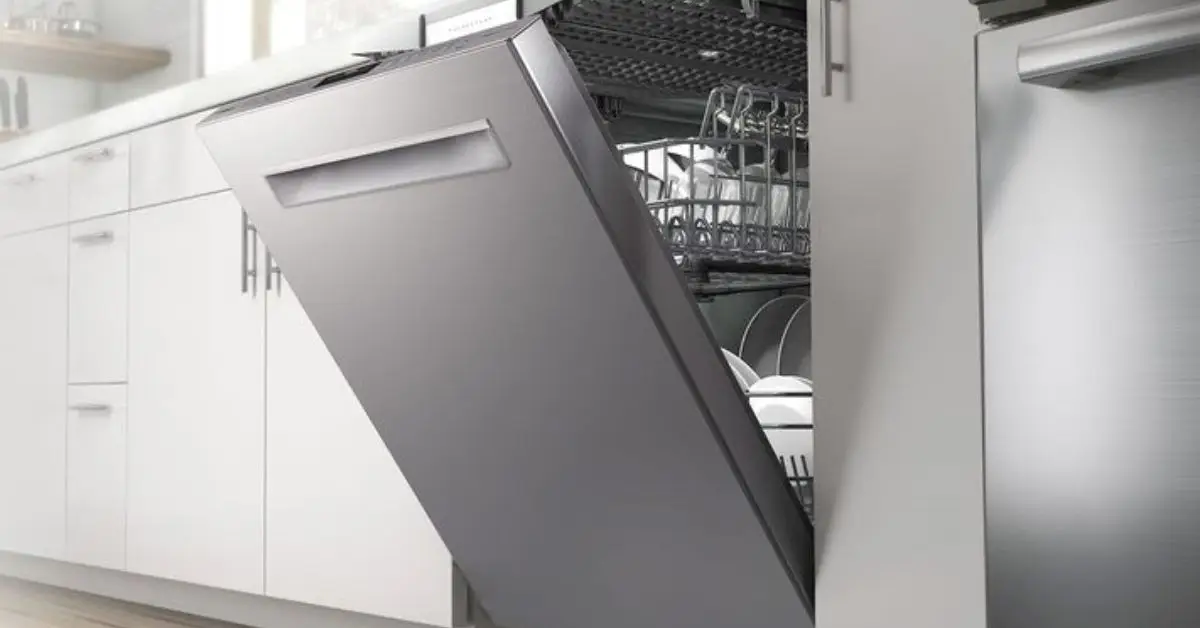
From what I’ve studied in incident reports and expert breakdowns, dishwasher fires usually don’t begin with a dramatic explosion. They begin with everyday issues that feel harmless at first.
Here are the most common causes you should understand:
- Electrical faults: Loose connections, worn components, or defective control boards can spark or overheat over time.
- Damaged or aging wiring: Heat, moisture, and vibration slowly wear down internal wires—especially in older units.
- Overheating motors: Motors working harder than designed (because of clogs, overloads, or age) can reach unsafe temperatures.
- Blocked vents or poor installation: When heat can’t escape properly, it builds up inside the unit instead of dissipating safely.
The key thing I want you to take away is this: You don’t need smoke, sparks, or flames today for your dishwasher to be unsafe tomorrow.
Ask yourself: when was the last time you actually checked your dishwasher instead of just trusting it to run safely?
9 Common Dishwasher Mistakes That Increase Fire Risk
I want to be very clear here—most dishwasher fires don’t happen because the appliance is “bad.” They happen because of small, common mistakes people don’t even realize they’re making. I’ve seen the same patterns repeat again and again across fire reports and safety warnings.
As you read this, don’t skim. Ask yourself honestly whether any of these apply to you.
1. Improper Installation
This is one of the biggest and most overlooked problems.
If a dishwasher isn’t installed correctly, heat and electricity don’t behave the way they’re supposed to. I’ve noticed many homeowners rely on quick DIY installs or unqualified labor to save money—and that’s where trouble starts.
Common installation mistakes include:
- Loose electrical connections
- Poor grounding
- Improper ventilation space
- Incorrect water–electric separation
How to fix it: If your dishwasher wasn’t installed by a licensed technician, get it checked. Installation errors don’t always show signs until it’s too late.
2. Ignoring Manufacturer Safety Warnings
I get it—you don’t read manuals. Most people don’t. But those safety warnings exist because real accidents already happened.
When you ignore manufacturer guidelines, you may:
- Use the appliance beyond safe limits
- Miss recall notices
- Overlook required maintenance steps
How to fix it: At minimum, read the safety section and recall notices for your model. Five minutes now can prevent a disaster later.
3. Using Incorrect Power Source or Extension Cords
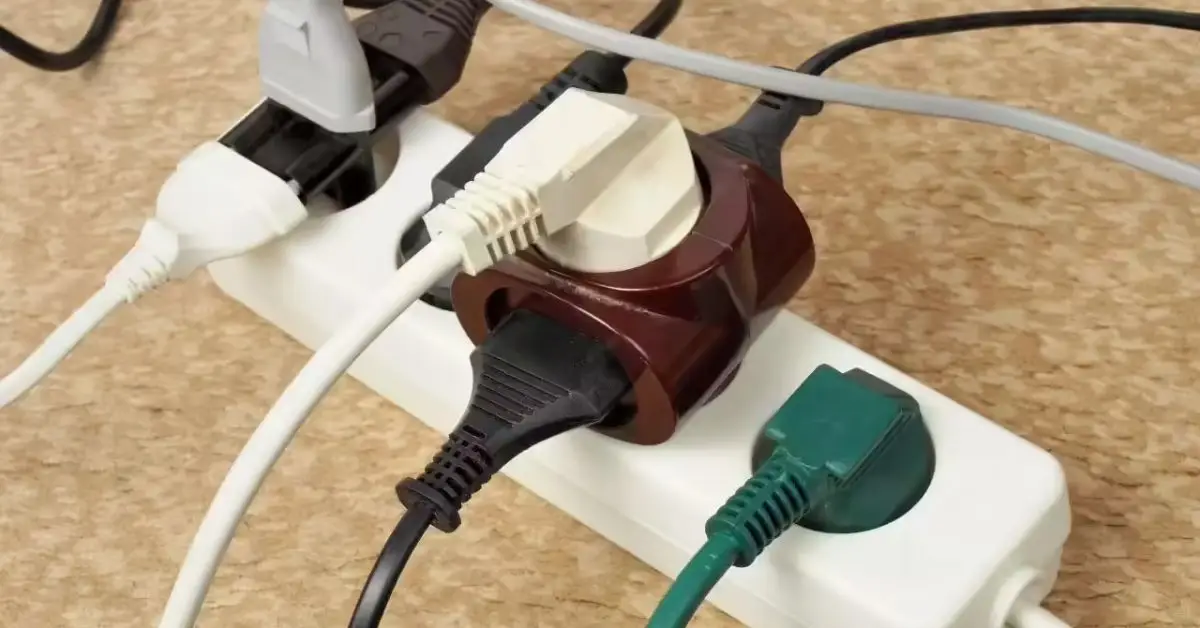
This is more dangerous than it sounds.
Dishwashers are designed to be connected to a dedicated power source. Extension cords or shared outlets increase heat buildup and overload risk.
Here’s what usually goes wrong:
- Overheating cords
- Loose plugs
- Voltage instability
How to fix it: Never run a dishwasher on an extension cord. If your setup isn’t direct-wired or properly grounded, stop using it until it’s corrected.
4. Overloading the Dishwasher
Trying to “fit everything in one load” feels efficient—but it’s risky.
Overloading can:
- Block airflow
- Force motors to work harder
- Trap heat inside the unit
How to fix it: Load dishes according to spacing guidelines. If the spray arms can’t move freely, you’re pushing the machine beyond safe operation.
5. Not Cleaning Filters and Drains Regularly
This mistake builds slowly and quietly.
Food debris, grease, and residue restrict water flow and ventilation. Over time, that leads to overheating—especially around the motor.
Warning signs include:
- Longer wash cycles
- Excess heat on the exterior
- Burning smells after use
How to fix it: Clean filters and drains monthly. It’s one of the simplest fire-prevention steps you can take.
6. Using the Wrong Detergents
Not all detergents are dishwasher-safe—even if the label looks convincing.
Incorrect or excessive detergent can:
- Create excess foam
- Cause chemical reactions
- Interfere with heating elements
How to fix it: Only use detergents approved for your specific dishwasher model, and never exceed recommended amounts.
7. Placing Flammable Items Nearby
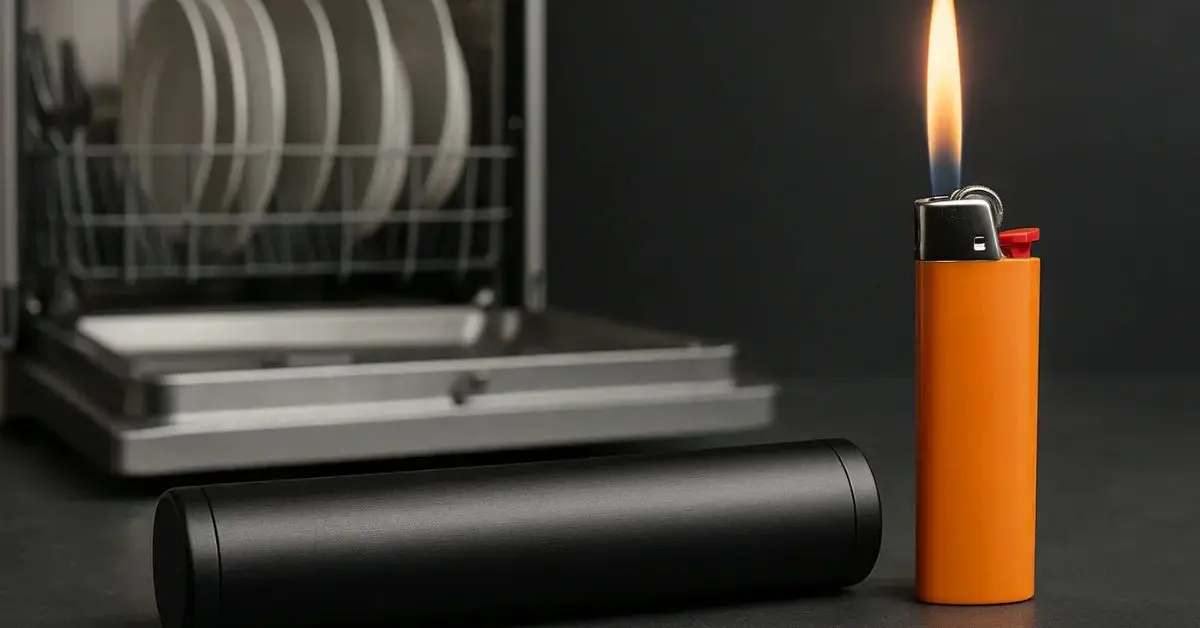
This is a hidden risk many people don’t think about.
Items like:
- Dish towels
- Paper products
- Cleaning sprays
can ignite if the dishwasher overheats or vents hot air improperly.
I’ve seen the same mistake happen in other parts of the home too—if you want a clear idea of what everyday items quietly increase fire risk, this guide on things you should never put around your fireplace makes the danger very real.
How to fix it: Keep the area around your dishwasher clear. Heat needs space to escape safely.
8. Ignoring Strange Noises or Burning Smells
This is where most people regret not acting sooner.
Unusual sounds, buzzing, or burning odors are early warning signs—not quirks to ignore. Dishwashers aren’t the only appliances that show warning signs before something goes wrong—there are a few others you should never leave powered on, which I explain in detail in this breakdown of appliances you must unplug after every use to reduce fire risk.
As explained in the Docking Drawer appliance safety blog, dishwashers can pose a fire risk when internal components overheat or malfunction, and the earliest signs are often small noises or smells that get dismissed.
How to fix it: If you hear or smell something unusual, stop using the dishwasher immediately and get it inspected.
9. DIY Repairs Without Expertise
I understand the urge to fix things yourself—but dishwashers are not beginner-friendly machines.
Improper repairs can:
- Damage wiring
- Remove safety barriers
- Void recall protections
How to fix it: If the issue involves electrical parts, heating elements, or wiring, call a professional. Guesswork and appliances don’t mix.
Real Fire Incidents Involving Dishwashers
Stories, data, and real-world warning signs
This is the part where the risk stops feeling theoretical.
While researching dishwasher fire hazards, one thing stood out to me: fires rarely start with drama. They start quietly, during a normal day, in homes that didn’t think they were at risk.
Near-fire case that made people pay attention
A widely reported case covered by Realtor.com described a family whose home nearly caught fire because of a dishwasher mistake most people wouldn’t think twice about. The dishwasher overheated, internal components failed, and flames spread before anyone realized what was happening.
What makes this case important isn’t just the fire—it’s how normal everything was before it happened. No warning lights. No prior breakdown. Just a routine wash cycle that almost turned into a house fire.
That’s why stories like this matter. They remind you that fire risk doesn’t always come with obvious signs.
Other reported incidents homeowners talk about
Beyond news coverage, I spent time reading what real homeowners share online. And the patterns are hard to ignore.
People report things like:
- Smoke coming from under the dishwasher after a cycle
- Burning plastic smells late at night
- Buzzing or popping sounds followed by tripped breakers
- Firefighters showing up before visible flames ever appeared
Many of these posts show the same regret: “I noticed something felt off, but I didn’t think it was serious.”
That’s the social signal most articles miss. Fires often give warnings—we just don’t treat them urgently enough.
What fire departments consistently warn about
Fire safety professionals tend to say the same thing across interviews and public advisories: electrical appliances don’t fail instantly—they degrade.
Dishwashers run on heat, water, and electricity. When even one of those systems is compromised, the risk rises quietly. Fire departments often stress early intervention because once flames appear, prevention is already over.
If there’s one takeaway here, it’s this: Real incidents don’t happen because people are careless. They happen because people underestimate small warning signs.
How to Inspect Your Dishwasher for Fire Hazards
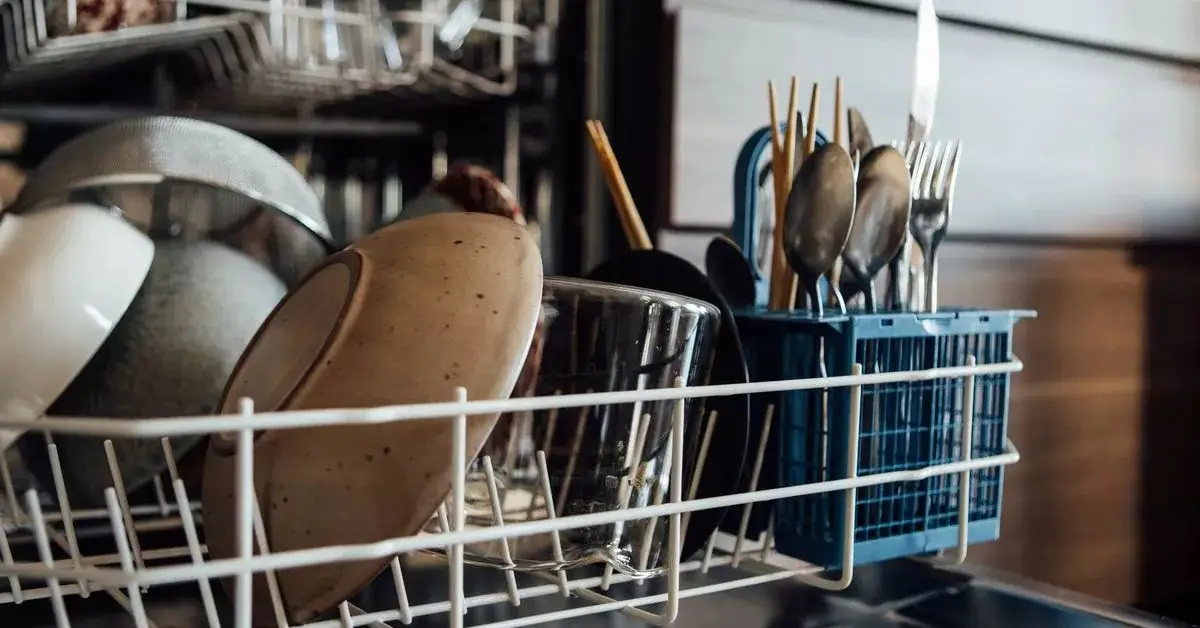
A practical checklist you can actually follow
You don’t need tools or technical training to catch early problems. You just need to know what to look for.
Pre-use inspection steps
Before running your dishwasher, take a quick look:
- Is there any burning or electrical smell near the unit?
- Does the door seal look damaged or warped?
- Is there moisture near outlets or wiring?
If something feels off, trust that instinct.
Electrical checks you shouldn’t skip
You don’t need to open panels, but you should:
- Check that the plug and outlet feel secure
- Make sure no cords are frayed or warm to the touch
- Confirm the dishwasher isn’t sharing power with heavy appliances
Heat and electricity don’t tolerate shortcuts.
Ventilation and clearance tips
Dishwashers need space to release heat.
- Avoid pushing cabinets or items tight against the unit
- Keep vents unobstructed
- Don’t store cleaning chemicals or paper goods nearby
Blocked heat has nowhere to go except inward.
When to call a professional
Call for help immediately if you notice:
- Repeated burning smells
- Loud buzzing, popping, or grinding noises
- Exterior panels getting unusually hot
Waiting “one more cycle” is how close calls turn serious.
Maintenance Routine That Prevents Fire Hazards
Simple habits that make a real difference
Most fire risks don’t come from one big failure—they come from neglect over time. A basic routine can dramatically lower your risk.
Monthly tasks
Once a month, you should:
- Clean the filter and drain
- Remove grease or debris buildup
- Wipe around heating elements
These steps reduce strain on internal components.
Quarterly checks
Every few months:
- Inspect hoses and wiring visibility
- Make sure vents aren’t blocked
- Listen for changes in sound during operation
Small changes often signal growing problems. I always tell people this—fire risks don’t wait for you to be home, which is why unplugging certain appliances before you leave matters more than most realize. If you’re planning time away, this checklist of devices you should unplug before a trip to avoid disaster is worth five minutes of your time.
Signs worth logging
I always recommend keeping a simple mental—or written—note of:
- New noises
- Longer cycle times
- Unusual smells
Patterns matter. One incident might mean nothing. Repeated ones rarely do.
Before you move on, ask yourself this honestly: If your dishwasher started showing warning signs tonight, would you recognize them—or ignore them?
Appliance Replacement and Safety Standards
When repairing isn’t enough—and replacement becomes the safer choice
At some point, every appliance reaches a stage where fixing it again and again stops making sense. When it comes to dishwasher fire hazard, this decision isn’t just about money—it’s about safety.
I’ve noticed many people keep old dishwashers running simply because they still “work.” But working doesn’t always mean safe.
Expected lifespan and fire risk connection
Most dishwashers are designed to last 8–12 years. After that, the risk rises because:
- Internal wiring starts degrading
- Motors run hotter than designed
- Safety components wear out quietly
- Replacement parts may no longer meet current standards
If your dishwasher is older and showing warning signs, repairing it may delay—but not remove—the risk.
Why UL safety ratings matter
UL certification means the appliance meets modern electrical and fire safety standards. Older models were built under older rules. Newer standards focus heavily on heat control, wiring protection, and fail-safes.
If your dishwasher doesn’t clearly mention UL or equivalent safety certification, that’s a signal worth taking seriously.
Safety features newer models offer
Modern dishwashers often include:
- Improved thermal cut-off systems
- Better insulation around heating elements
- Smarter error detection that shuts the unit down
- Safer wiring layouts and moisture protection
If you’re deciding between another repair or replacement, this is the moment to think beyond convenience and look at long-term safety.
What You Should Remember Moving Forward
I’ll keep this simple and practical.
Here’s what actually reduces your risk:
- Don’t ignore small warning signs like smells or unusual sounds
- Keep your dishwasher clean, ventilated, and properly powered
- Avoid DIY electrical repairs
- Take appliance age seriously—not emotionally
- Treat recalls and safety notices as urgent, not optional
If your dishwasher is aging or showing repeated issues, delaying action doesn’t save you time—it increases risk.
Have you ever noticed something “off” about your dishwasher and ignored it? Share your experience in the comments—it might help someone else avoid a serious mistake.
And if you want more practical, no-hype home safety and upgrade guidance, explore Build Like New—where we focus on making homes safer, smarter, and genuinely better to live in.
Disclaimer: This content is for general informational purposes only and is not a substitute for professional inspection, repair, or fire safety advice. Always follow manufacturer guidelines and consult a licensed technician or fire safety professional for appliance-related concerns.