Before You Clean Your Couch, Know Why Experts Hate These 2 Viral Hacks
You know those TikTok cleaning videos that make you pause and think, “Wait… can this actually work?” Well, there’s a new one going around that involves using laundry detergent pods on your couch, and I have to be honest—I’ve seen the results, and they’re deceptive. At first glance, it looks like stains vanish and your sofa smells amazing, but the reality is a lot less glamorous.
I’ve tested and read through dozens of expert warnings, Reddit threads, and firsthand accounts, and here’s the truth: this hack isn’t just ineffective in the long run—it can actually damage your furniture, irritate your skin, and even affect your indoor air. If you’re curious about the trend, why it’s so tempting, and safer ways to keep your furniture clean, stick with me. By the end of this, you’ll know exactly why this viral trick isn’t worth trying—and what to do instead.
Viral Cleaning Hacks Aren’t Always Harmless
If you’ve spent any time scrolling through TikTok lately, you’ve probably seen those flashy cleaning videos that make you wonder, “Can this actually work?” I’ll admit—I’ve been there too, stopping mid-scroll because something looks so satisfying. But here’s the thing: just because a hack is viral doesn’t mean it’s safe or even effective.
The #CleanTok craze has taken off because people love quick wins. There’s that dopamine hit when a stain disappears in seconds on screen—but what you don’t see is the long-term effect on your furniture. Many of these hacks promise instant results, but they often skip the part about potential damage, chemical residue, or health risks.
Let me give it to you straight: viral ≠ safe. Before you grab that laundry pod or pot lid, it’s worth stepping back and thinking about what these trends are really teaching us about cleaning.
What Exactly Is the Tide Pod Couch Cleaning Trend?
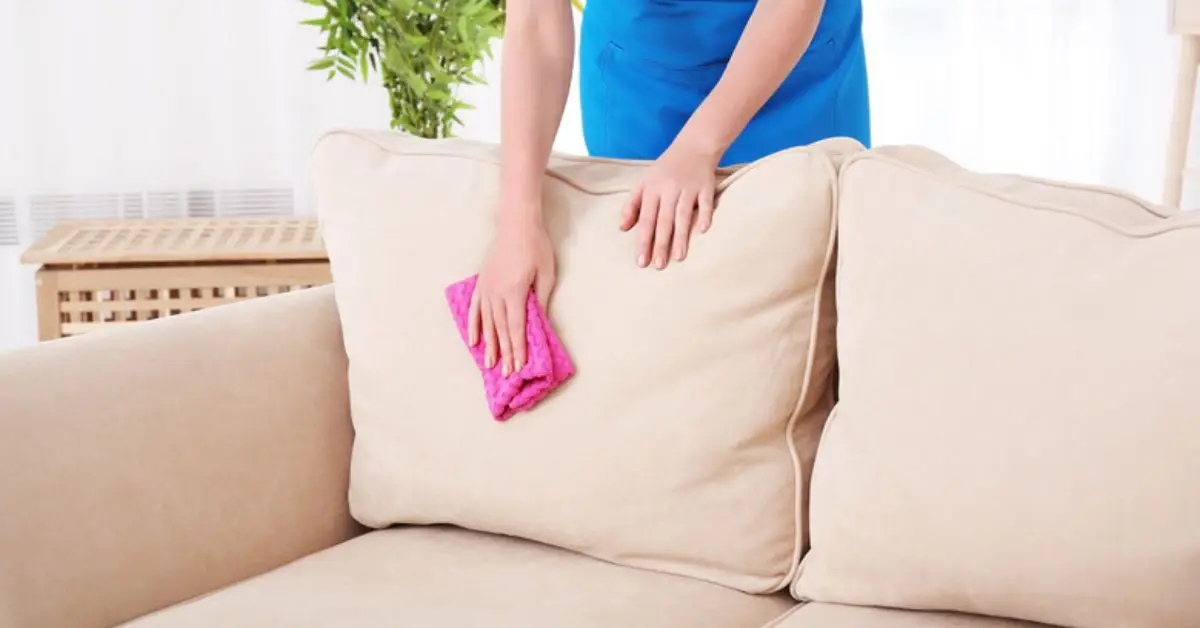
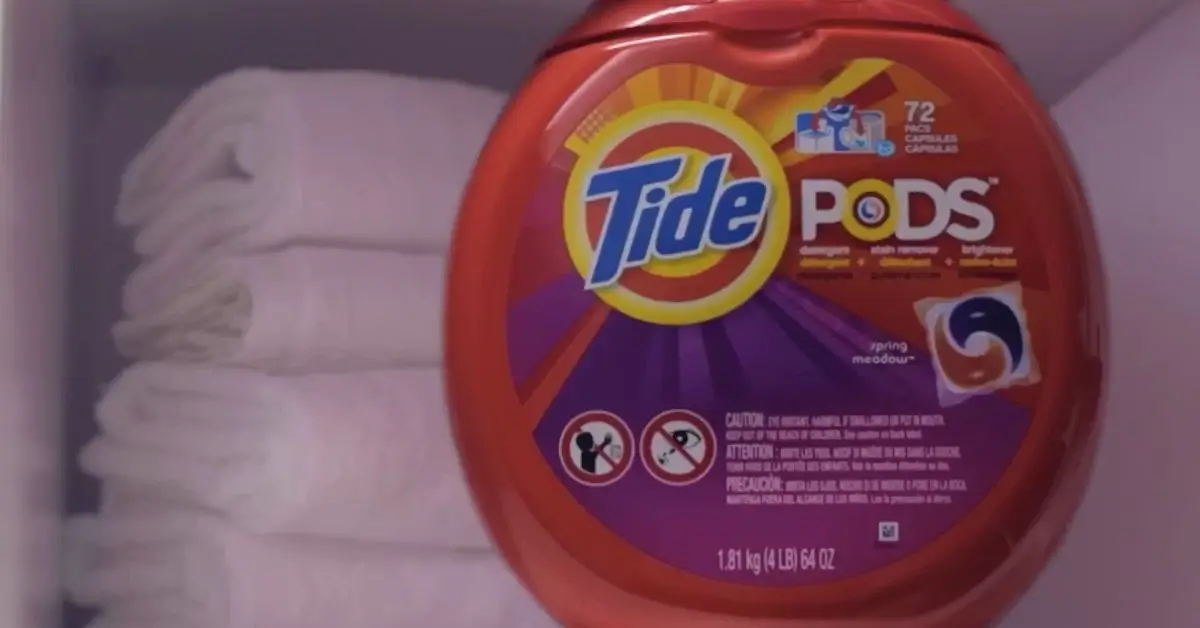
Now, let’s break down the trend that’s causing the most chatter right now. Essentially, some TikTok creators are using laundry detergent pods to clean their couches, headboards, and other upholstered furniture.
Here’s the process as I’ve seen it:
How TikTok Creators Are Doing It
- Laundry pod + boiling water: They drop a pod into a bowl and pour boiling water over it to dissolve it completely.
- Rag + pot lid method: A rag or dish towel is tightly wrapped over a small pot lid.
- Wiping surfaces: The lid is dipped into the soapy solution and then used to scrub sofas, chairs, or other fabric surfaces.
At first, it looks like magic. Stains vanish, and the couch smells fresh. But trust me, appearances can be deceiving. You’re not just lifting dirt—you’re saturating your furniture with concentrated detergent that can cause real damage over time.
(For a closer look at this viral hack in action, you can check out some examples on TikTok’s #CleanTok page.)
Why This Hack Looks Like It Works (But Actually Doesn’t)
It’s easy to assume the hack works because you see immediate results on screen. I get it—I’ve been fooled by that shiny, stain-free surface too. But here’s the catch: the effects are only temporary, and here’s why:
- Hot water temporarily lifts dirt: The boiling water makes stains appear to disappear, but it doesn’t actually remove all the grime embedded in the fabric.
- Detergent masks odor: That fresh “laundry” smell is nice, but it’s just masking what’s left behind.
- Residue remains deep in fabric: That concentrated detergent doesn’t rinse out completely. Over time, it can attract more dirt and even irritate skin. If you’re curious about what laundry detergent can actually do safely, I’ve shared 9 things in your home you didn’t know laundry detergent could clean, so you can get the benefits without risking your furniture.
Expert Warnings — Why You Should Skip the Tide Pod Couch Cleaning Trend
I want to be very clear: I don’t say this to scare you. I say this because using a laundry pod on your furniture is risky. Here’s what the experts are pointing out:
Reason #1 — Premature Fabric Wear & Hidden Mold Risk
When you use this hack, you’re soaking your upholstery with a lot of water and harsh chemicals. This can:
- Cause fiber pilling and weaken the fabric.
- Trap moisture inside cushions, leading to mold and mildew.
- Shorten the lifespan of furniture that was meant to last for years.
As Better Homes & Gardens notes, couches are an investment. Damaging them for a viral trick isn’t worth it.
Reason #2 — Chemical Residue, Skin & Respiratory Irritation
Laundry pods are highly concentrated. When you spread that over a couch, you’re leaving a layer of chemicals on the surface that:
- Can irritate skin, causing rashes or dermatitis.
- Affect respiratory health, especially for kids, pets, or anyone sensitive to strong scents.
- Remain on the couch long after cleaning, continuing to pose a risk.
The Second Viral Hack Experts Don’t Recommend
You might be thinking the Tide Pod thing is the only wild hack out there — but it isn’t. I’ve seen another trend circulating that also raises red flags among cleaning pros. This one involves over‑soaking your upholstery using DIY tools and excessive heat or steam.
Here’s how it usually goes: someone boils water, adds a cleaning agent (sometimes a dishwasher pod), and then leans in with a rag‑wrapped lid or homemade steamer. It looks intense and effective, but here’s the real issue:
- Too much moisture equals trouble: Upholstery isn’t built to handle gallons of water without proper extraction.
- High steam and boiling water can distort fibers: Fabric may warp, shrink, or fade.
- Short‑term shine, long‑term problems: Hidden moisture can sit deep in cushions and lead to mold.
Just because a video shows satisfying suds doesn’t mean it’s safe for your expensive sofa.
If You’ve Already Used Tide Pods on Your Couch — Do This Now
If you’ve already given a viral couch hack a shot (hey, I’ve tried things that seemed promising too), don’t beat yourself up — but do fix it. Here’s what I recommend doing right away:
- Vacuum thoroughly: Start with a wet‑dry vacuum or an upholstery‑safe vacuum to pull out moisture and detergent residue. After vacuuming your upholstery thoroughly, you might also find some of my tips on 7 genius hacks to make the most of vacuum-seal bags at home helpful for storing cushions or seasonal fabrics safely.
- Use an extractor if you have one: A carpet or upholstery extractor can get the soapy water out more completely.
- Speed up drying: Point fans at the wet areas, open windows, and consider a dehumidifier so mold doesn’t get a foothold.
- Blot with vinegar solution: Mix equal parts water and white vinegar to blot stubborn detergent residue — it helps neutralize leftover soap.
Do this soon after the cleanup — the quicker you act, the less lasting damage you’ll deal with.
Safer, Expert‑Approved Ways to Clean Upholstered Furniture
Let’s talk about real methods that clean deeply without weakening the fabric or leaving residues. These are approaches recommended by furniture care experts and professional cleaners. Keeping your furniture clean and looking its best also pairs perfectly with simple tips for presenting your home beautifully—check out my 7 genius hosting hacks interior designers always recommend for ideas that elevate any living space.
Cleaning Microfiber or Cotton Safely
- Vacuum first — get loose dirt and pet hair gone.
- Spot‑treat with a gentle mix of mild soap + water or use rubbing alcohol on stains.
- Consider upholstery‑specific cleaners if your manufacturer suggests them.
How to Clean Velvet Without Damaging the Pile
- Vacuum softly to protect delicate fibers.
- Wipe in one direction to avoid marking the fabric.
- Light steaming is okay, but only sparingly.
Linen Upholstery — What Actually Works
- Make a light paste of dish soap, baking soda, and white vinegar for stains.
- Dab, don’t drown — keep moisture minimal.
- Vacuum once the area is dry to pull up residue.
Polyester Furniture Cleaning Basics
- A gentle mix of mild detergent + white vinegar works well.
- Use a soft‑bristle brush to lift stains without rubbing hard.
- After cleaning, brush the fabric gently to reset the fibers.
Wool & Chenille — Why Less Is More
- Wool: stick with water‑only spot cleaning and slow drying.
- Chenille: act fast with blotting, avoid any soaking.
- Keep moisture low — it’s the biggest enemy of these fabrics.
For more trusted upholstery care advice straight from professional sources, you can refer to a comprehensive guide at House Digest that outlines which cleaning methods to avoid and why certain hacks simply don’t hold up in real‑world use.
How to Avoid Falling for the Next Viral Cleaning Myth
I’ve learned over the years that you don’t need to try every hack you see. Instead, ask yourself these three simple questions before you ever touch your furniture with a viral technique:
- Was this product made for this surface?
– If it’s meant for laundry or dishes, it likely has no place on fabric upholstery. - Does it over‑saturate fabric?
– Too much liquid means hidden moisture — and that’s a mold invitation. - Would a real cleaner recommend this?
– If a professional wouldn’t do it, neither should you.
These quick checks help you avoid trends that look satisfying but end up costing you time, health, or your furniture’s lifespan.
Viral Hacks Fade — Furniture Damage Doesn’t
I’ll be honest with you: those viral cleaning hacks are designed to make you stop scrolling, not to protect your furniture. The instant satisfaction they promise fades fast, but the damage they can leave behind lasts for years. Your couch, chairs, and upholstered pieces aren’t just decoration—they’re an investment. Treating them carelessly can cost you money, time, and peace of mind.
The takeaway is simple: short-term “satisfying results” are never worth long-term risk. Stick with methods that are safe, tested, and recommended by experts. Vacuum, spot-treat with gentle solutions, and respect the fabric. It’s the difference between a sofa that looks new for a few weeks and one that truly lasts for years.
I want to hear from you: Have you tried any viral cleaning hacks on your furniture? What worked, and what didn’t? Drop your experiences in the comments below — let’s get a real conversation going.
And if you’re looking for more expert-backed tips to keep your home looking fresh without risking your furniture, check out my website, Build Like New. I share tested cleaning techniques, safe DIY solutions, and practical advice you can trust.
Disclaimer: The information in this article is for educational and informational purposes only. Always follow manufacturer guidelines for your furniture and consult a professional cleaner if unsure. The author and Build Like New are not responsible for any damage or injury resulting from attempts to replicate viral cleaning hacks.