Westmoreland County Home Lost to Fast-Moving Fire
I still remember the moment I first heard about the fire in Cook Township, Westmoreland County on 7th December. A man had lost his entire home in just a few minutes while he went to check his mailbox.
As I read about the pops of ammunition echoing through the air and firefighters scrambling to control the blaze without nearby hydrants, I couldn’t help but imagine the fear his family felt watching their memories go up in flames.
It’s not just the physical loss that gets to you—it’s the helplessness, the sudden vulnerability, and the way a lifetime of memories can disappear in moments.
When I think about this fire, I also think about how fragile safety can be in rural homes, and what we can all learn to prevent a tragedy like this from hitting our own doorstep.
The Fire Unfolded: Timeline and Immediate Response
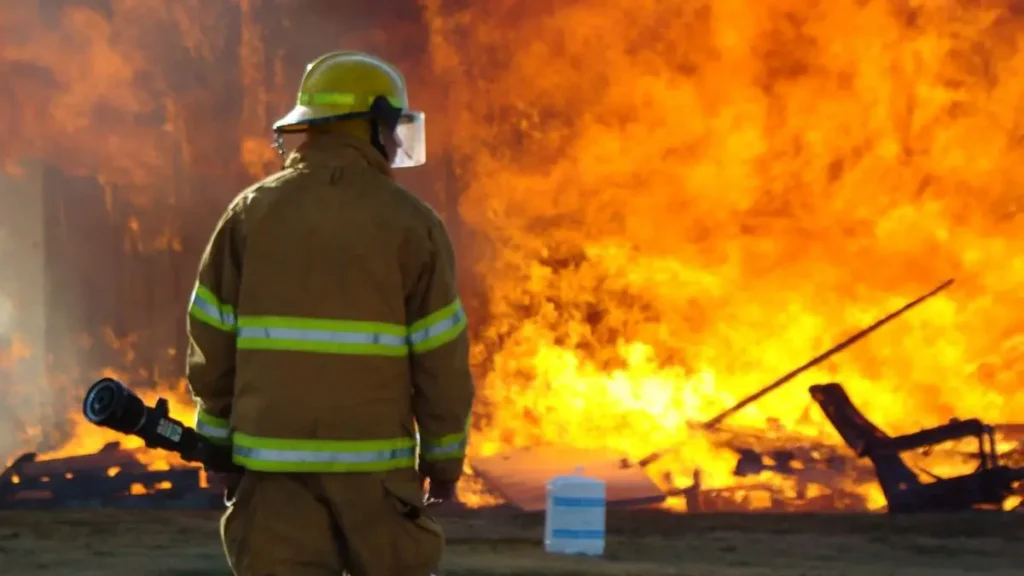
I still picture how quickly things can go from normal to chaotic. According to CBS News, the fire started while the homeowner went to check his mailbox, just five minutes away from his house. When he returned, flames were already engulfing his home.
An electric heater inside might have sparked the fire, a small device with devastating consequences. And to make matters worse, the house contained ammunition, which started popping as the fire grew.
Firefighters had to work defensively, keeping the fire from spreading into the surrounding forest. With no hydrants nearby, they pulled water from a creek, improvising to save what they could.
Reading about this, I realized how unpredictable fires can be, especially in rural areas. It’s a reminder for all of us to think about the small risks in our own homes—like heaters, wiring, and even storage of flammable items.
Fires like the one in Westmoreland County echo tragedies elsewhere, such as the North Fort Myers house fire, where emergency response was critical in preventing further harm.
Emotional Impact on the Family
For the homeowner’s son, John Lohr, rushing to the scene was terrifying. He didn’t know if his father was safe, and memories of growing up in the house made the loss feel even heavier.
“It was tough. I was just hoping for the best,” he said, reflecting the helplessness many of us would feel in a similar situation.
I can’t help but think about the emotional toll of losing a home—the space itself, the memories, the sense of safety.
And in rural areas, where neighbors are farther apart, that stress only intensifies. This fire wasn’t just about property; it was about a family’s life and history going up in flames in minutes.
Reading stories like this reminds me of other times families faced sudden disasters, such as the California home fire where firefighters had to rescue both a woman and her dog.
Aftermath: Loss and Vulnerability
CBS News reports that the house was a total loss, and the homeowner didn’t have insurance . He was left with nothing but the clothes on his back.
That kind of loss makes you realize how quickly life can change and why being prepared matters.
Beyond the financial hit, there’s a human vulnerability. The father, described by his son as proud and independent, was reluctant to ask for help—even though he desperately needed it.
I think about how many people out there quietly struggle after disasters because they feel they should manage alone.
Even when homes are destroyed, sometimes families are fortunate to escape safely, like in the Middleton house fire, which serves as a reminder that preparedness can make all the difference.
Safety Lessons from the Fire
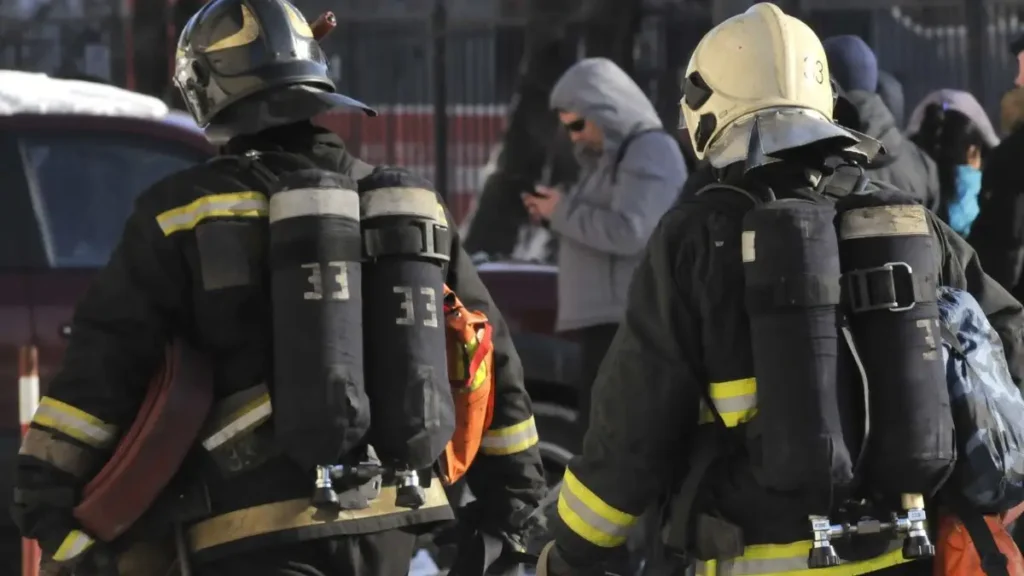
This incident highlights risks we often overlook. Small electrical devices like heaters can start fires if not monitored.
Ammunition or flammable materials stored in the home can dramatically increase danger. And in rural homes, lack of hydrants or delayed response can turn a small spark into a total loss.
For anyone reading this, it’s a real wake-up call. Make sure smoke detectors work, check your wiring, and think about where you store potentially dangerous items.
It may feel inconvenient now, but it could prevent a lifetime of loss later.
If you like receiving quick updates and safety tips directly, many readers find our WhatsApp updates
helpful for staying informed about recent incidents and fire-safety alerts.
Broader Takeaways and Community Responsibility
What struck me most is how a single fire can reveal larger issues—rural safety, preparedness, and the importance of community. If neighbors, local volunteer fire departments, or friends can offer support early, it can make a huge difference.
I also think about how stories like this should teach us to act before tragedy strikes. Have a plan for emergencies, know your nearest water source, and don’t underestimate small risks at home.
And if someone you know goes through something similar, offering practical help or even emotional support can change everything.
Preventive Measures: How You Can Protect Your Home
Reading about the Westmoreland County fire makes me think: what can we do to avoid a similar disaster in our own homes? First, check your electrical devices. Small heaters, overloaded outlets, or faulty wiring are silent risks that can spark a fire in minutes.
Next, think about storage. Ammunition, flammable liquids, or chemicals should never be kept in living spaces. A small mistake can escalate into something dangerous for you and your neighbors.
And finally, prepare for emergencies. Know where your nearest water source or hydrant is, keep smoke detectors functional, and have an evacuation plan ready. If you live in a rural area, connect with local volunteer fire departments—they often have tips specific to your region. Taking these steps doesn’t just protect your property; it protects your life.
Reflection: Lessons Learned and Moving Forward
This fire isn’t just a story of loss—it’s a lesson about vulnerability, resilience, and community. Watching a lifetime of memories vanish in minutes reminds us to cherish what we have and prepare for the unexpected.
I encourage you to reflect: is your home safe? Are you prepared? Could your neighbors or local community respond effectively if disaster struck? Fires like this show that preparedness isn’t optional—it’s essential.
And here’s something to think about: how can we, as a community, support each other before tragedy hits? If you have tips or experiences, share them—because one small action today could prevent a life-changing loss tomorrow.
If you want to read more stories about home safety, disasters, and real-life lessons, check out our Home Incidents section.
Disclaimer: The information in this article is for educational and awareness purposes only. It is based on reported events and public sources. Readers should not rely solely on this content for personal safety or legal advice and should consult professionals when needed.