Delaware County Fire Leaves Child and Woman Hospitalized
When I first went through the reports, one thing was clear: this wasn’t a small fire or a routine call. A little after 8:45 p.m., flames tore through a home on Wilson Street in Chester, and a young child along with a woman ended up in critical condition. It’s the kind of scene you can almost picture — flashing lights, neighbors running out, firefighters trying to get inside fast enough.
What hit me hardest was the detail about the child. Firefighters pulled the little one from the second floor, and the rescue happened while the mother was downstairs screaming that her baby was still trapped upstairs. A neighbor recalled that moment, and you can imagine how helpless she must’ve felt standing there with the fire spreading.
The woman herself suffered severe burns. A second child was also inside the home, but neighbors say that child was carried out safely. By the time crews brought the flames under control, the fire had already escalated to a two-alarm response, which tells you how quickly it grew and how many firefighters had to be called in.
Right now, officials are still trying to figure out what started the fire. No cause has been confirmed yet, and that uncertainty always leaves people uneasy — especially if you live in a similar older home or on a tight row of houses where a fire can spread in seconds.
How the Fire Started and Spread?
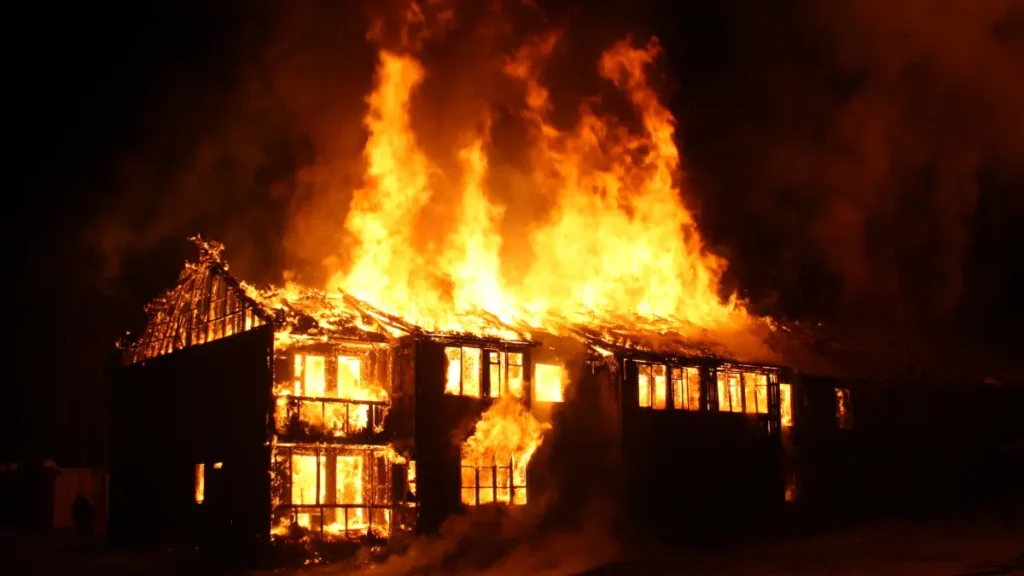
When I compared both reports, one thing stood out right away: no one has a confirmed cause yet. NBC Philadelphia also made it clear that investigators are still sorting through what’s left of the home to figure out where the fire began and how it moved so quickly.
And honestly, when you look at a block like Wilson Street — older structures, tighter spacing, decades-old wiring — it doesn’t take much for a spark to turn into a fast-moving blaze.
The fire didn’t stay small for long. It grew fast enough that crews had to call a second alarm, which usually means the first team knew they needed more hands almost immediately. I’ve seen enough of these cases to know that when firefighters upgrade a call that quickly, it’s because visibility is bad, access is blocked, or flames are already pushing into rooms they can’t reach fast enough.
Whatever the exact ignition point was, the fire had a head start before anyone realized what was happening.
For now, we only know what remains consistent across the reports: the cause is unknown, and officials aren’t giving early guesses. That usually means they’re working through multiple possibilities — electrical, a heating source, maybe even something as common as a faulty extension cord. Until they pin it down, it’s a waiting game.
Rescue Moments and What Witnesses Saw
The emotional weight of this story really comes from what neighbors described. 6ABC’s coverage included one detail that’s hard to forget: the woman screaming downstairs that her baby was still trapped upstairs. I kept coming back to that line because it shows exactly how quickly everything unfolded — one moment you’re in your home, the next you’re fighting smoke and panic.
Firefighters managed to reach the child on the second floor and pull them out, but by then the smoke had already done serious damage. Both the child and the woman were rushed out in critical condition.
And then there’s the second child, the one who neighbors said was also inside but made it out safely. There isn’t much more information yet, but even that small detail hints at the chaos inside the house — multiple people in separate rooms while a fire is growing around them.
What struck me most from the witness accounts is how personal and immediate their reactions were. People weren’t watching from across the street. They were right there, hearing the mother, trying to help, and seeing firefighters push through the front entry with almost no visibility. Stories like this don’t come with clean timelines — they come with moments, and this one is carried by the sounds and panic neighbors remember.
I’ve seen similar moments of chaos in other recent cases too, like the Virginia house fire where one person was injured and a cat didn’t survive — and the pattern of how fast smoke overtakes a home is almost identical.
Fire Department Response
When firefighters arrived on Wilson Street, they weren’t stepping into a slow-burning situation. This was already a fully involved blaze, and that’s why it was pushed to a two-alarm call. From what’s been reported, the team had to force their way inside while other crews worked outside to knock down the flames closing in around the front and side of the home.
I always try to imagine the conditions crews walk into: heavy smoke making the stairs impossible to see, heat pressing through the walls, and the constant pressure of knowing someone is still trapped upstairs. The rescue of the child from the second floor tells you how fast they moved. A delay of even a minute could’ve meant an entirely different outcome.
It didn’t take long for them to get the fire under control, but “under control” is one of those phrases that can sound calmer than the scene really is. When a home is burning that aggressively, bringing it under control often means firefighters win the fight — but the home doesn’t.
A lot of people in the area rely on quick-alert WhatsApp channels to stay informed during fast-moving incidents like this, and it honestly helps when updates come before the news cycle catches up.
Investigation and What Officials Are Looking At
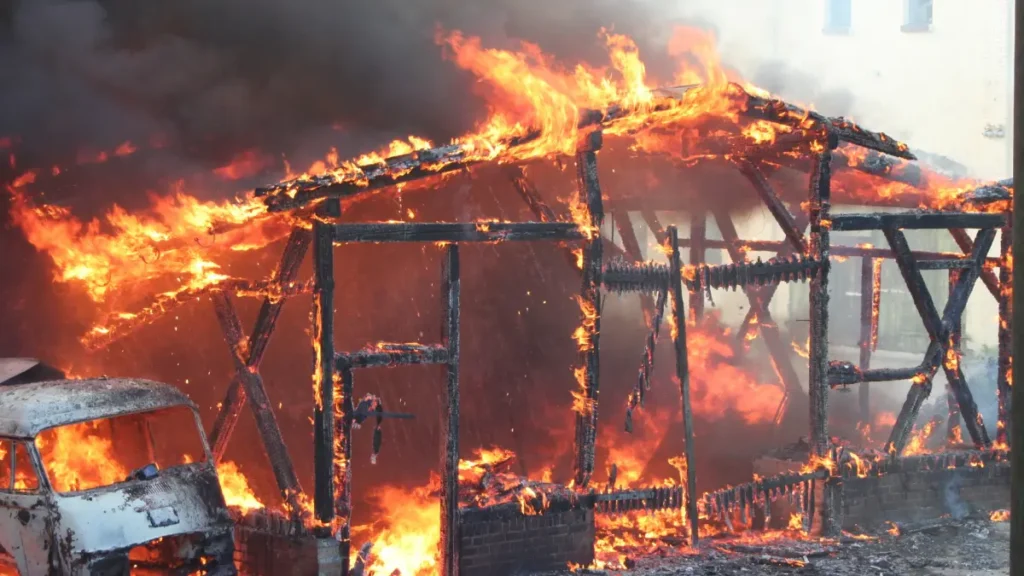
Right now, the official stance is simple: the cause is still under investigation. And when departments say that this early, it usually means they’re still sifting through debris, checking where the fire burned hottest, and ruling out hazards one by one.
Investigators usually start with questions like:
- Was this electrical?
- Was there a heater running?
- Did the fire start near a kitchen or the living room?
- Was anything blocking exits?
None of those answers are public yet. And until the fire marshal finishes the full report, it wouldn’t be responsible to guess. What I can say, after looking at many similar incidents in older Pennsylvania homes, is that small electrical faults and aging wiring are common culprits — but again, that’s context, not confirmation.
You’ll likely see a formal update later from the Chester Fire Department once their examination of the structure and burn patterns is complete.
This uncertainty actually reminds me of the North Utica case where officials were also reviewing what caused the home to catch fire, and the early stage looked almost the same.
Why This Home Was So Vulnerable?
When I think about older homes in Chester — especially the tightly packed blocks — there’s a pattern that pops up again and again. Many of these structures were built long before modern fire-safety standards, and even if they’ve been updated over the years, the original layout remains the same: bedrooms on the second floor, narrow staircases, older electrical lines hidden behind walls, and very little space between neighboring buildings.
That layout alone makes fires harder to escape. If smoke climbs the stairway, the second floor becomes a trap in minutes. Add nighttime timing, when most people are inside and not alert, and the danger multiplies. That’s exactly why firefighters in these neighborhoods talk so much about working smoke alarms and clear escape paths — because in homes like this, visibility disappears fast and exits get blocked without warning.
There’s also the simple reality that older homes carry older risks. Even well-maintained ones can have weak wiring points or aging materials that burn faster than newer construction. And when you pair that with how close homes sit to each other, a fire that starts in one room can leap into another before anyone smells the smoke.
Understanding these vulnerabilities isn’t about placing blame. It’s about knowing how quickly things can turn inside houses like the one on Wilson Street — and why moments matter so much during a fire.
And if you think this kind of fast-moving danger only affects people, even the Phoenix fire where two dogs died and another was pulled out barely in time showed how quickly a home fills with toxic smoke.
What You Can Learn from This Fire?
Whenever I cover stories like this, I try to step back and ask you the same question I ask myself: “What would I do if this happened in my home?” Because the truth is, most families don’t think about fire safety until they’re forced to. And by then, it’s too late.
The Wilson Street fire is a reminder of how fast smoke climbs and how quickly upstairs bedrooms become dangerous. If you live in an older home — especially a rowhome — things like working smoke detectors, a clear staircase, and a second exit route are not optional. They’re what give you those extra few minutes that save lives.
I’m not saying you need to approach your house like a fire inspector. But after reading what happened here, it’s worth taking ten minutes to check the basics: Are your detectors working? Do you know exactly which window you would use if the stairs filled with smoke? Does your child know it too?
These aren’t abstract safety tips — they’re the kind of small decisions that make the difference when every second counts. And if there’s anything this incident teaches us, it’s that fires don’t wait for perfect timing or perfect preparedness.
What Happens Next?
Right now, the community is waiting for updates on the child and the woman who were hospitalized. Those updates may take time, and in cases involving critical injuries, news usually comes slowly. The investigation into what caused the fire will also move step by step as officials rule things out and narrow in on what started it.
You’ll likely see more activity on that block in the coming days — fire marshals, inspectors, maybe even city officials looking at the condition of nearby homes. When a fire hits a neighborhood like this, it always raises bigger questions about safety, old wiring, and whether similar houses are at risk.
I’ll say this much: incidents like this don’t just end when the flames are out. They leave families without homes, neighbors shaken, and a community trying to understand what comes next. And that’s why staying informed, asking questions, and taking simple safety steps at home matters far more than we usually admit.
If you want to stay updated on similar real-world incidents and how they unfold, you can browse more cases in our Home Incidents section. It’s a good way to understand what actually happens inside homes during emergencies — and what you can learn from them.
Disclaimer: Information in this article is based on what officials and local news outlets have confirmed so far. Details may change as the investigation continues. Readers should treat early reports as developing information, not final findings.