Holliston House Fire Sends Two to Hospital, Residents Displaced
I remember reading about the Holliston house fire and feeling the weight of how quickly life can change. It all started Tuesday night around 9:41 p.m. on Norfolk Street, when multiple neighbors called 9-1-1 after noticing flames and smoke. Imagine the panic—families inside, unaware, hearing sirens in the distance.
By the time the Holliston Fire Department arrived, the situation was already intense. What struck me was how fast the evacuation happened. All residents managed to get out safely, which isn’t always the case in these emergencies. I can only imagine the mix of fear and relief they felt in those moments.
The way the fire was discovered—through multiple emergency calls rather than a single report—also highlights how critical community awareness is. You realize that being alert, noticing something off, and acting immediately can save lives. This incident wasn’t just a fire; it was a test of how a neighborhood responds when every second counts.
Response & Coordination Among Agencies
When I read the Holliston Fire Department’s Facebook post, I was impressed by the sheer coordination it took to handle the fire. The department responded quickly after multiple 9-1-1 calls came in. But what really stands out is how several agencies came together.
Sherborn Fire & Rescue, led by Chief Zack Ward and Deputy Scott Christensen, jumped in to assist, while the Medway Fire Department, with Deputy Chief Paul Molla, supported operations on the ground. The Medway Police Department managed interviews, perimeter control, and traffic detours. Even the Massachusetts State Police contributed personnel to ensure safety.
Reading through it, I realized how much planning and trust is required between towns. Fires aren’t isolated events—they ripple through communities. You start appreciating that emergency services don’t just fight flames; they manage logistics, communication, and human lives simultaneously.
Practical takeaway: If you live in a community, it helps to know which neighboring towns coordinate with your fire department. That awareness could make a real difference if disaster strikes.
Casualties, Injuries & Relief Efforts
According to the Milford Daily News, two residents were evaluated and taken to the hospital. The rest of the occupants, thankfully, escaped unharmed. Still, several families were displaced, losing their homes, at least temporarily, to this fire.
The American Red Cross of Massachusetts stepped in to help those affected, providing immediate relief and temporary shelter. Meanwhile, Sherborn provided station coverage for medical emergencies, assisted by Ashland and Medway fire departments transporting patients to local hospitals.
When I think about it, the displacement alone is life-changing. Imagine having to find shelter, replace essentials, and recover emotionally—all in the blink of an eye. These stories remind us that fires are not just property damage; they are human experiences, each with emotional weight.
Similar to how East Charlotte firefighters saved a puppy from a burning home recently, first responders here acted quickly to ensure everyone evacuated safely.
Cause, Investigation & Official Statements
Right now, the exact cause of the Holliston house fire isn’t confirmed. The Holliston Fire Department didn’t return requests for comment, leaving many questions unanswered. Investigations are ongoing, and authorities are examining what triggered the flames.
Even without the full details, this is a reminder that fires often start unexpectedly—sometimes from electrical faults, sometimes from unattended items, and sometimes from causes that remain unknown. You realize that a fire’s origin might be unclear, but preparation and quick action can save lives.
If you want real-time updates on local fire incidents and safety alerts, you can join this WhatsApp channel for instant notifications.
Community Coordination & Emergency Preparedness
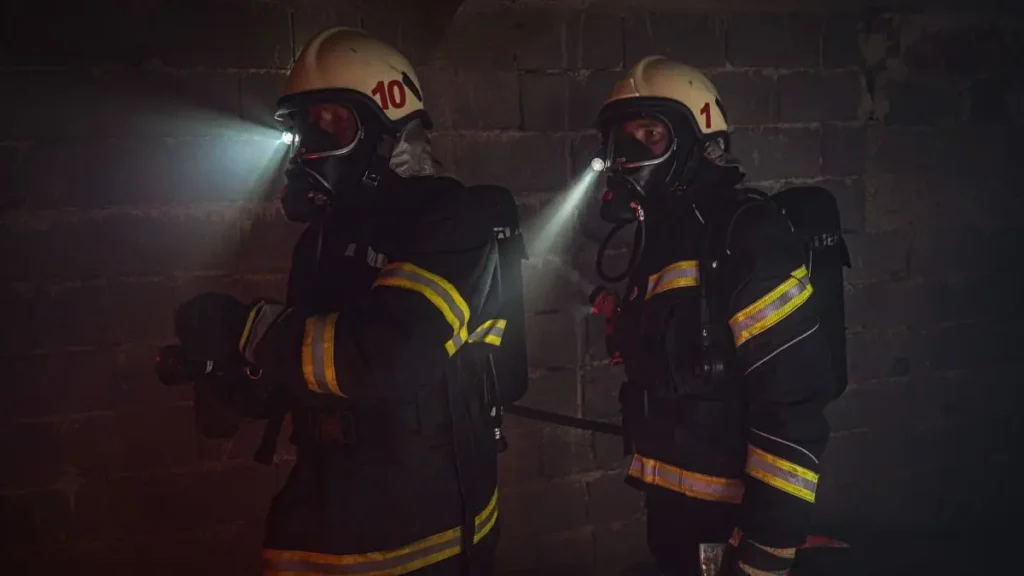
What really stood out to me is how the community and neighboring towns came together. Holliston, Sherborn, Medway, and Ashland didn’t operate in isolation. Every agency had a role: controlling traffic, covering medical emergencies, coordinating evacuations, and supporting displaced residents.
It’s a vivid example of why emergency preparedness isn’t just an individual responsibility—it’s a collective one. Your alert neighbors, your local police, your regional fire departments—they form a safety net that can be the difference between chaos and order.
In previous incidents, like the North Tonawanda family home fire, inter-agency coordination proved critical for both containment and rescue.
Broader Implications & Fire Safety Awareness
Reading about this fire, I can’t help but think about how fragile our sense of safety at home can be. Fires like this aren’t rare, and the consequences go far beyond the flames: displacement, injuries, emotional stress.
It’s a strong reminder to check your smoke alarms, ensure electrical systems are safe, and have an evacuation plan ready. Fires don’t announce themselves politely—they can happen at night, when you least expect them.
Firefighters have repeatedly shown the importance of preparedness, as seen when they contained a blaze at a Paradise home while protecting both property and residents.
Key Takeaways
Thinking back on the Holliston house fire, it’s easy to get lost in the details of the flames and damage—but the bigger story is about people, preparedness, and community. Families lost their homes, two residents were hospitalized, and yet, thanks to quick thinking, coordination between towns, and emergency services, worse outcomes were avoided.
For me, what stands out most is how much lives can hinge on simple actions: neighbors noticing smoke, residents evacuating promptly, fire departments working together. These aren’t just stories to read—they’re reminders that preparation and awareness save lives.
Here’s what I want you to take from this:
- Check your smoke alarms and fire extinguishers. Make sure they work. It’s a small effort that can prevent tragedy.
- Have a clear evacuation plan. Know exits, meeting points, and emergency contacts. Walk through it with your family.
- Understand your community’s emergency network. Knowing which towns back up your local fire department, or who handles medical emergencies, can make a difference.
- Support neighbors and share awareness. Fires aren’t just individual incidents—they ripple through communities. Awareness and cooperation can save lives.
Ultimately, the Holliston fire is a wake-up call. It reminds us that disasters can strike anyone, anywhere—but preparation, quick thinking, and a connected community can drastically change the outcome.
Have you and your family gone through a fire drill or checked your home’s safety recently? What steps do you take to make sure everyone is prepared? I’d love to hear your experiences and tips—let’s start a conversation about real safety in our communities.
For more stories on fire incidents and safety tips, visit our Home Incidents category.
Disclaimer: The information in this article is based on official reports and news sources available at the time of writing. Details may change as investigations continue. This content is for informational purposes only and does not constitute professional advice.