8 Hidden Mold Threats in Your Home Gym You Can Fix Today
I’ve spent years helping people set up home gyms, and if there’s one hidden danger most of us overlook, it’s mold. You think your basement or garage gym is safe, but the truth is, even a small moisture problem can turn your workout space into a breeding ground for spores. I’ve seen it firsthand—sweat-soaked mats, neglected corners, and damp equipment quietly putting your health at risk.
By the time you notice it, mold might already be hiding where you least expect it—under rubber mats, behind weight racks, or in poorly ventilated corners. In this article, I’ll walk you through the eight spots you need to inspect this weekend. No fluff, just practical steps you can take right now to protect your home, your health, and your workouts.
What Is Mold and Why It Thrives in Home Gyms
If you’ve ever noticed a musty smell in your workout space, that’s your first clue that mold could be lurking. Mold is essentially a fungus that grows from tiny spores floating in the air. These spores are everywhere, but they only take hold when they find the right conditions. In a home gym, those conditions are almost always present if you’re not careful.
Here’s how it works:
- Spore formation and spread: Mold spores settle on damp or porous surfaces. Once they find moisture, they start to grow and multiply, often out of sight.
- Environmental triggers: High humidity, condensation on walls or ceilings, sweat-soaked mats, and poor ventilation all make your gym a perfect breeding ground. Even a few days of trapped moisture can allow mold to form. Mold doesn’t just appear in gyms—small habits like leaving surfaces wet or improperly ventilated areas can cause growth, similar to common bathroom mistakes that lead to hidden mold.
- Surface mildew vs. hidden mold: Not every dark spot is mold, and not every mold is visible. Surface mildew is easier to spot and clean, but hidden mold—inside walls, under flooring, or behind panels—can silently impact your health.
Understanding this is crucial because it makes the inspection process meaningful. When you know why mold grows, you can target the areas most likely to harbor it and prevent a small problem from becoming a serious one. For a clear breakdown of common indoor mold triggers, I often refer people to the National Center for Healthy Housing’s guide on mold prevention. It’s practical and easy to follow.
Home Gym Risk Profile: Likely Danger Zones
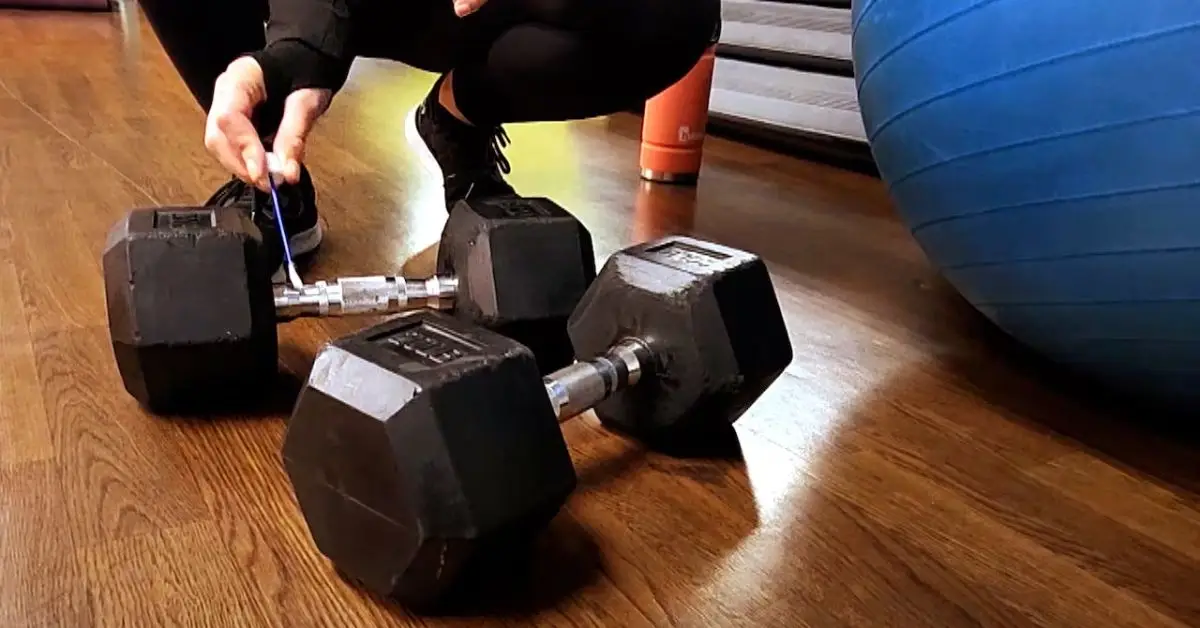
Knowing the science is one thing, but seeing the real risk areas makes it actionable. In my experience, mold in home gyms tends to hide in very predictable spots. Here’s where you should start:
1. Under Rubber Mats and Flooring
- Mats trap sweat and block airflow.
- Concrete or wood underneath can stay damp for days.
- Lift every mat, especially in corners where moisture collects.
2. Behind Equipment & Weight Racks
- Heavy racks prevent air circulation.
- Sweat drips or spills often go unnoticed here.
- Check behind machines and move equipment occasionally.
3. Walls and Corners (Especially Basement/Garage)
- Cold surfaces attract condensation.
- Stagnant air in corners is a mold magnet.
- Pay special attention to areas near plumbing or exterior walls.
4. Towels, Clothes & Storage Corners
- Damp fabrics and gym towels are mold incubators.
- Even folded clothes in a corner can trap moisture.
- Wash and dry items regularly and avoid piling them up.
5. HVAC Vents and Air Ducts Serving the Gym Space
- Mold spores can travel through forced air.
- Check duct openings and filters for any sign of black or green buildup.
- Regular HVAC maintenance helps prevent unseen spread.
6. Window Frames / Door Thresholds
- Condensation forms along edges, especially in winter.
- Look for discoloration, peeling paint, or a musty smell.
- Wiping down and improving ventilation here goes a long way.
7. Ceilings (Especially in Finished Basements)
- Leaks or condensation above eye level often go unnoticed.
- Check near ducts, pipes, and ceiling corners.
- Even small water stains can signal hidden mold.
8. Hidden Structural Cavities & Behind Mirrors/Panels
- Mold loves dark, enclosed cavities.
- Inspect behind mirrors, wall panels, and under removable flooring sections.
- These areas often require a flashlight and careful observation.
If you systematically check these zones, you’ll catch mold before it spreads and turns your home gym into a health hazard. I’ve walked through many setups where just moving equipment and drying a few mats completely stopped mold growth from taking hold.
8 Things You Must Inspect This Weekend
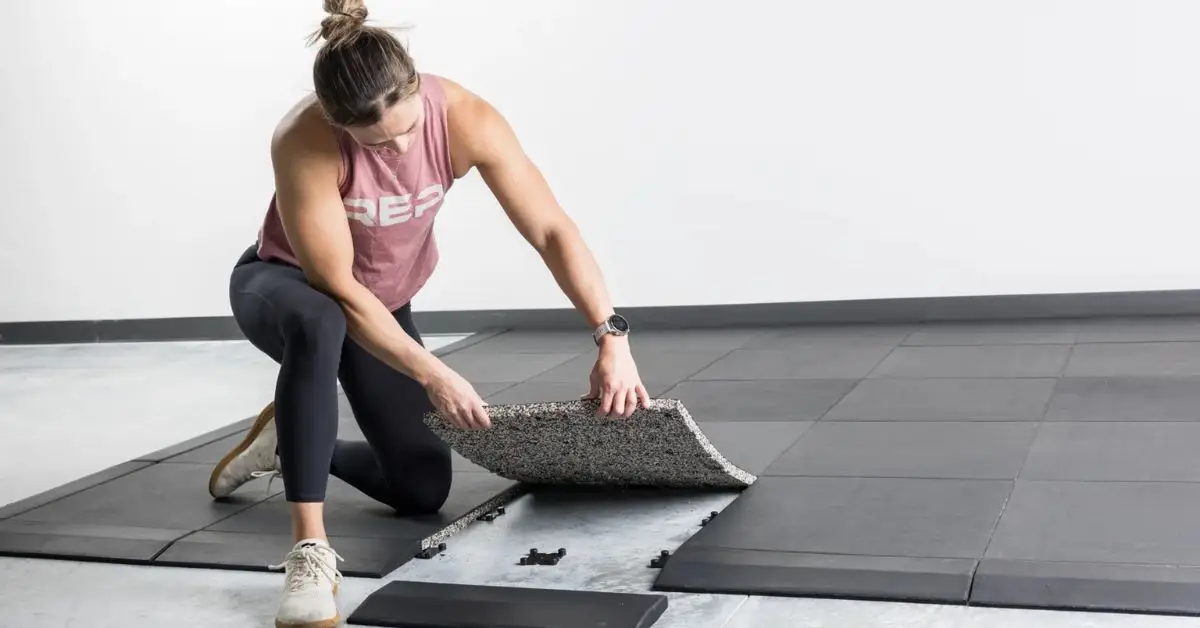
Now that you know where mold likes to hide, it’s time to get hands-on. I recommend grabbing a flashlight, a hygrometer if you have one, and just spending an hour inspecting these key spots. Here’s my checklist for you:
1. Lift and Inspect Under Every Mat
- Don’t just glance—pick up each mat and feel for dampness underneath.
- Check corners and edges where moisture often pools.
- Even a thin layer of sweat trapped under a mat can trigger mold growth.
2. Smell Test: Musty Odors Around Each Zone
- Your nose is one of the best tools here.
- Move around your gym and sniff corners, mats, and equipment bases.
- Musty smells usually appear before you see visible mold, giving you a head start. Even after cleaning, a lingering musty smell can be a sign of hidden spores—our guide on proven ways to eliminate that mold smell can help you keep your gym smelling fresh.
3. Check Humidity Levels With a Hygrometer
- Ideally, your gym should stay between 30–50% humidity.
- High humidity is a major trigger for mold growth.
- If it’s too high, a small dehumidifier can make a big difference.
4. Flashlight Scan in Tight Corners and Ceiling Lines
- Shine a light along wall edges, ceiling corners, and behind equipment.
- Look for discoloration, water stains, or fuzzy growth.
- Even small dark patches can be an early warning sign.
5. Examine Equipment Handles & Foam Grips
- Porous grips absorb sweat and can harbor spores.
- Wipe down all equipment thoroughly and let it dry completely.
- Consider using a gym-specific antibacterial cleaner for extra protection.
6. Look for Condensation on Windows and Doors
- Check for moisture along frames and thresholds, especially after workouts.
- Wipe down damp spots immediately and improve airflow around windows.
- Even small condensation spots left unchecked can fuel hidden mold growth.
7. Inspect HVAC Filters and Duct Outlets
- Remove and check filters; replace if dirty or damp.
- Look inside duct openings for black spots or signs of growth.
- Regular HVAC maintenance prevents spores from traveling throughout your home.
- For a step-by-step guide on safe mold inspection at home, I like the practical tips from WebMD’s mold safety guide.
8. Evaluate Towels and Clothing Storage Areas
- Make sure damp towels don’t pile up in corners or baskets.
- Wash and dry gym clothes immediately after workouts.
- Avoid storing items in closed, humid closets.
Taking these steps this weekend can save you weeks of frustration down the line. You’ll not only protect your equipment but also your health. I’ve seen home gyms where just a single hour of careful inspection completely prevented mold from spreading—small effort, big payoff.
How to Distinguish Mold From Mold‑Like Marks
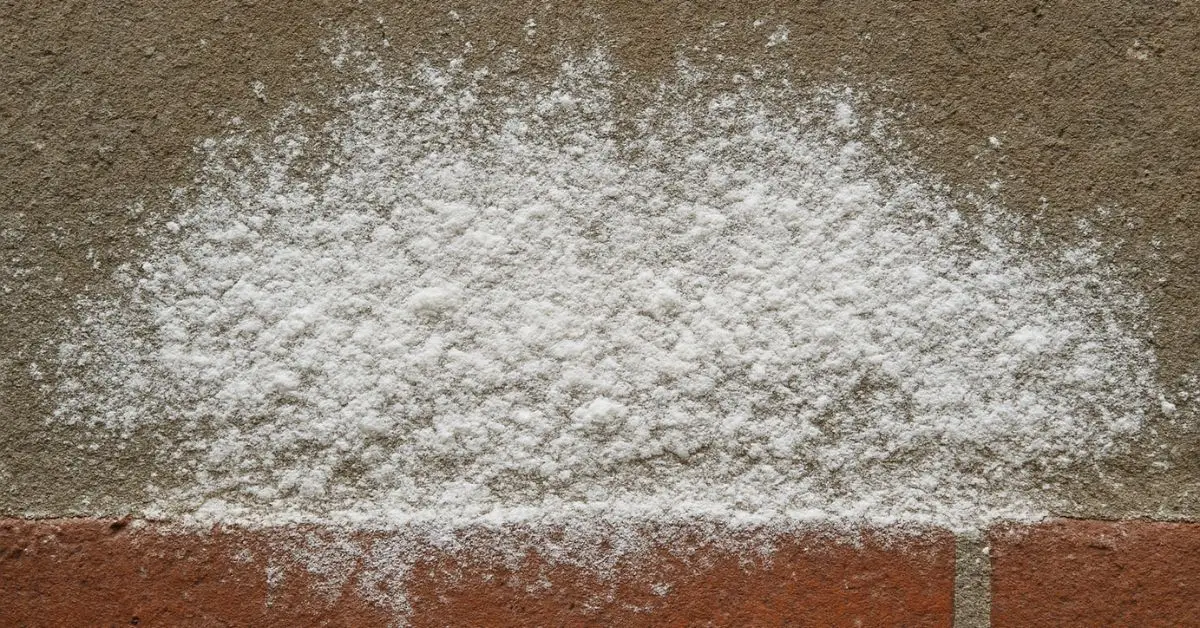
Not everything that looks dark or fuzzy is actually mold. I can’t tell you how many times I’ve seen someone panic over marks that were harmless. Here’s how I separate the real threats from false alarms:
- Efflorescence: White, powdery streaks on concrete or brick aren’t mold—they’re minerals left behind by water.
- Rust: Reddish-brown stains near metal equipment or screws can look like mold but are just oxidation.
- Paint stains and discoloration: Old paint peeling or discoloring can mimic mold patches.
- Shadow marks: Sometimes a damp area will leave a shadowy outline without actual mold growth.
A good tip I’ve learned from Reddit threads is to test small areas first with a damp cloth. If it wipes off easily, it’s probably not mold. Knowing the difference saves you from unnecessary cleaning or costly remediation, and keeps your focus on areas that truly matter.
Quick Prevention Strategies While You Inspect
While you’re checking all those high-risk zones, you can also take immediate steps to prevent mold from growing further. I always recommend a few simple habits that make a huge difference:
- Improve ventilation: Open windows, run fans, or circulate air around the gym. Good airflow prevents moisture from settling.
- Run a dehumidifier: Keep humidity between 30–50%. This is especially important in basements or garages.
- Clean mats weekly: Air them fully after each workout. Moisture trapped in mats is one of the biggest contributors to hidden mold.
- Move heavy gear off walls: This lets airflow reach corners behind racks and machines.
- Switch towels: Use quick-dry microfiber towels instead of thick cotton to reduce moisture retention.
Taking these small, actionable steps while you inspect not only protects your gym equipment but also helps you avoid health risks. It’s easy, fast, and the payoff is immediate.
When to Call a Professional
Even with careful inspection, some situations are beyond DIY fixes. You should consider calling a professional if:
- You notice a consistent musty smell that doesn’t go away.
- Large areas of visible mold appear on walls, ceilings, or flooring.
- You or someone in your household experiences allergy-like or respiratory symptoms after using the gym.
- Mold seems to be spreading rapidly, or you suspect hidden mold inside walls or HVAC systems.
I always tell people: it’s better to get an expert in early than to risk exposure or damage. Professionals have the right tools to identify and safely remove mold, so you can get back to working out without worry.
Closing Summary & Next Steps
By now, you’ve seen exactly where mold likes to hide in home gyms and the practical steps you can take this weekend to stop it. From lifting every mat to checking HVAC vents, small actions make a big difference in protecting your health and keeping your equipment in top shape.
Here’s a quick recap of what I want you to do this weekend:
- Inspect under mats, behind racks, and in corners.
- Sniff for musty odors and check for condensation around windows and doors.
- Keep humidity in check with ventilation or a dehumidifier.
- Clean your mats, towels, and equipment regularly.
- Move heavy gear off walls and inspect hidden cavities carefully.
Taking these steps now can save you from bigger problems later—and give you peace of mind while working out at home. If you ever discover mold during a home gym inspection and are worried about its impact on your property value, you can check out our guide on selling a moldy home effectively without losing money.
I’d love to hear from you: have you ever found mold in your home gym? Share your experience in the comments below—I read every one and often respond with tips that helped me in similar situations.
And if you want more actionable guides for keeping your home and gym in perfect shape, check out Build Like New for practical advice, expert tips, and step-by-step walkthroughs designed for homeowners who care about quality and safety.
Stay proactive this weekend, and your future self (and lungs) will thank you.
Disclaimer: This article is for informational purposes only and is not a substitute for professional medical or mold remediation advice. If you suspect significant mold growth or experience health symptoms, consult a qualified professional immediately.